Brutalist Architecture: Love It or Loathe It, the Concrete Colossus Still Divides
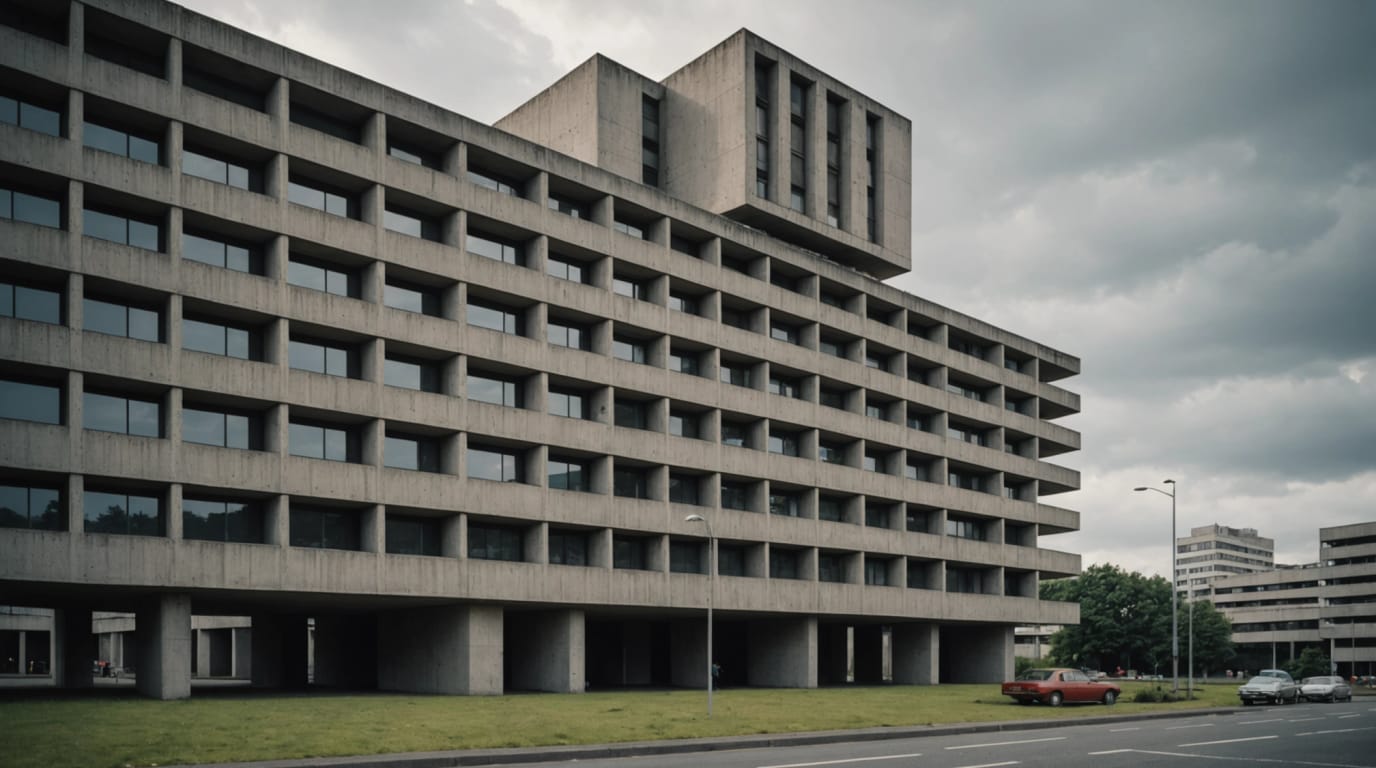
Brutalist architecture, a style characterized by its massive concrete forms, exposed materials, and unapologetic functionality, continues to spark intense debate decades after its mid-20th century heyday. While some view these structures as powerful expressions of honesty and social purpose, others decry them as cold, oppressive eyesores. The architectural movement's legacy remains a subject of passionate discussion, influencing contemporary design and raising questions about the role of buildings in shaping urban landscapes and human experience.
Origins and Ideals
Brutalism emerged in the United Kingdom during the 1950s, amidst the post-World War II reconstruction era. The need for affordable and rapidly constructed housing and public buildings fueled the movement's rise. The term "Brutalism" derives from the French phrase "béton brut," meaning "raw concrete," which became the style's signature material. British architects Alison and Peter Smithson are credited with popularizing the term "New Brutalism".
Le Corbusier, a Swiss-French architect, is considered a pioneer of the style, particularly with his Unité d'Habitation in Marseille, France. Other prominent figures include Marcel Breuer, Ernő Goldfinger, and Denys Lasdun.
Brutalism was not merely an aesthetic choice; it embodied a set of social and ethical ideals. Architects sought to create buildings that were honest in their construction, revealing the materials and structural elements rather than concealing them behind ornamentation. Functionality was paramount, with designs prioritizing the needs of the users and the purpose of the building. The style was seen as a rejection of the nostalgia and superficiality of pre-war architecture, embracing a more direct and utilitarian approach.
Defining Characteristics
Brutalist architecture is easily identifiable by several key features:
- Exposed Concrete: Raw, unfinished concrete is the most defining element, often displaying the marks and textures of the formwork used in its construction.
- Monolithic Forms: Buildings typically feature massive, block-like shapes, creating a strong and imposing presence.
- Geometric Lines: Sharp angles, clean lines, and repetitive geometric patterns are common.
- Functional Design: Emphasis is placed on practicality, with minimal or absent decorative elements. The design highlights the building's purpose and structural honesty.
- Raw Materials: In addition to concrete, materials like brick, steel, and glass are used in their natural states.
- Heavy Appearance: Brutalist buildings often have a fortress-like quality, with thick walls and solid facades conveying permanence and strength.
- Monochromatic Palette: The color scheme is typically limited, often featuring shades of gray derived from the concrete itself.
Prominent Examples
Brutalism's influence spread worldwide, resulting in a diverse range of notable structures:
- The Barbican Centre (London, UK): A large residential complex and arts venue, showcasing the style's imposing scale and use of exposed concrete.
- Trellick Tower (London, UK): A residential tower designed by Ernő Goldfinger, exemplifies Brutalism's high-rise housing solutions.
- Boston City Hall (Boston, USA): A civic building with distinct, projected portions indicating the special nature of the rooms behind those walls.
- Geisel Library (San Diego, USA): A university library known for its striking geometric form and prominent concrete elements.
- Habitat 67 (Montreal, Canada): A housing complex designed as a modular system of prefabricated concrete units.
- Unité d'Habitation (Marseille, France): A residential complex with shopping streets as well as child care and leisure facilities.
Criticism and Controversy
Despite its initial popularity, Brutalism faced increasing criticism, leading to its decline in the late 1970s and 1980s. Common complaints included:
- Aesthetic Objections: Many found the style to be visually unappealing, describing it as cold, harsh, and dehumanizing. The massive scale and lack of ornamentation were seen as oppressive and alienating.
- Maintenance Issues: Concrete is susceptible to weathering, staining, and deterioration, leading to buildings that appear rundown and neglected over time. Moss and lichen growth can also be problematic.
- Social Concerns: Some critics associated Brutalism with failed social housing projects and urban decay, arguing that the buildings created hostile and isolating environments.
- Association with Authoritarianism: The style's imposing and monolithic forms were sometimes linked to authoritarian regimes, further contributing to its negative image.
A Modern Reassessment
In recent years, Brutalism has experienced a resurgence of interest and appreciation. Several factors have contributed to this reassessment:
- Nostalgia: As Brutalist buildings age, they have acquired a certain historical significance, representing a distinct era in architectural history.
- Aesthetic Appreciation: Some have come to appreciate the raw honesty and sculptural qualities of Brutalist designs, finding beauty in their unadorned forms and material textures.
- Social Media Influence: Online platforms like Instagram have played a role in showcasing Brutalist architecture, highlighting its visual appeal and generating renewed interest.
- Contemporary Adaptations: Architects are incorporating elements of Brutalism into modern designs, reinterpreting the style for a new generation.
- Recognition of Social Intentions: There is a growing understanding of the social and ethical ideals that underpinned Brutalism, acknowledging its attempt to address the needs of post-war society.
While Brutalism may never regain its former dominance, its influence on architecture and design remains undeniable. The style's emphasis on functionality, material honesty, and social purpose continues to resonate with architects and designers today.
Conclusion
Brutalist architecture, with its imposing concrete structures and unwavering commitment to functionality, continues to provoke strong reactions. Whether loved or loathed, these buildings stand as testaments to a specific moment in history, reflecting the social, economic, and aesthetic concerns of their time. As attitudes toward Brutalism evolve, it is clear that this controversial style will continue to shape architectural discourse and inspire debate about the role of buildings in our lives. The ongoing discussion ensures that this contentious architectural style will persistently influence conversations concerning the constructed surroundings and their societal ramifications.