Bulgaria Joins Eurozone Amidst Economic Optimism and Public Apprehension
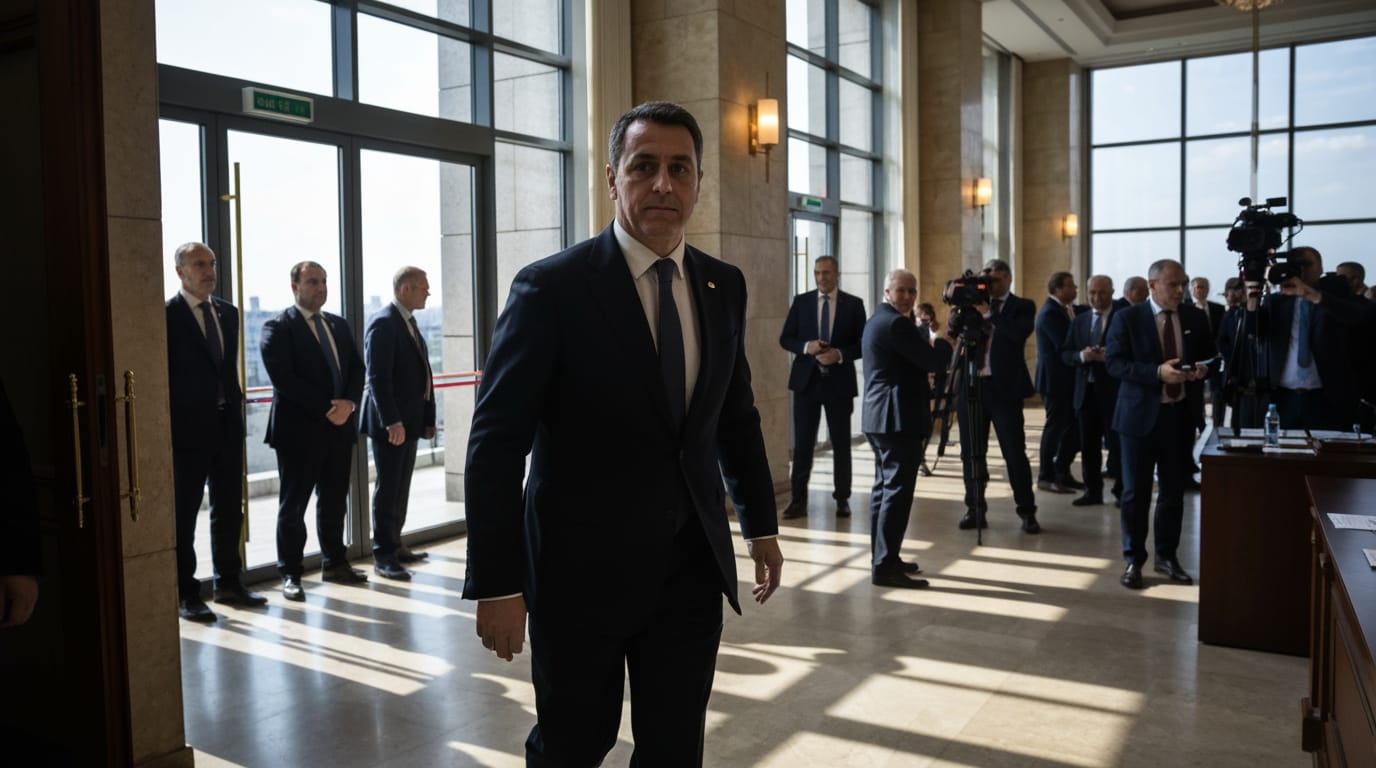
Sofia, Bulgaria - Bulgaria officially adopted the euro as its national currency on January 1, 2026, becoming the 21st member of the Eurozone. This momentous step marks a significant milestone in the nation's journey towards deeper European integration, promising enhanced economic stability and increased influence within the European Union's monetary policy decisions. However, the transition was not without its complexities, unfolding against a backdrop of persistent public concern, political debate, and social apprehension regarding potential inflationary pressures and a perceived erosion of national identity.
A Decades-Long Path to Monetary Union
Bulgaria's commitment to adopting the euro dates back to its accession to the European Union in 2007. The path to full monetary integration, however, proved to be a protracted one, marked by several delays. Initial targets, such as a 2012 adoption date, were deferred due to various economic factors, including high inflation and the repercussions of the 2008 global financial crisis. Challenges such as budget deficits and the country's non-membership in the Exchange Rate Mechanism II (ERM II) further extended the timeline.
A pivotal step occurred on July 10, 2020, when the Bulgarian lev officially entered ERM II, often referred to as the Eurozone's "waiting room." The lev maintained its long-standing peg to the euro at a fixed rate of 1.95583, a stability mechanism that had been in place since 1999 (and previously to the Deutsche Mark). This was followed by Bulgaria's entry into the European Banking Union on October 1, 2020. Despite an initial intention to adopt the euro by January 1, 2024, outlined in a national plan in June 2021, the target date was subsequently postponed to January 1, 2025, and then to July 1, 2025, primarily due to the country's struggle to meet the inflation criterion.
Following a request for off-cycle assessments in February 2025, both the European Commission and the European Central Bank published convergence reports on June 4, 2025, concluding that Bulgaria had successfully met all five nominal convergence criteria required for euro adoption. This assessment paved the way for the European Parliament's endorsement on July 8, 2025, and the formal approval by EU finance ministers, solidifying the January 1, 2026, entry date.
Economic Promises: Stability, Trade, and Influence
Proponents of euro adoption emphasize a range of economic and political benefits for Bulgaria. The transition is expected to foster greater economic stability, streamline transactions, and deepen integration within the broader European economy. The euro, recognized as a stable and trusted currency, is anticipated to safeguard savings and purchasing power, contributing to a more resilient national economy.
Economically, joining the Eurozone is projected to significantly boost foreign investment and trade opportunities for Bulgarian businesses. The elimination of currency conversion costs, estimated to save small and medium-sized enterprises around one billion levs annually, is a notable advantage. Furthermore, removing currency risk is expected to lower borrowing costs for both the sovereign and corporations, potentially leading to improved credit ratings, as evidenced by Fitch Ratings and S&P Global Ratings upgrading Bulgaria to BBB+. Access to the European Central Bank's liquidity facilities and bond-purchasing programs is also expected to bolster the economy during periods of volatility.
Beyond economic gains, the adoption of the euro grants Bulgaria a more prominent political voice within the EU. It secures a seat at the table in Eurozone decisions, allowing the nation to directly participate in shaping the future of the common currency and strengthening its overall influence in Europe.
Public Divisions and Political Resistance
Despite the economic arguments and official endorsements, public opinion in Bulgaria remained sharply divided leading up to the adoption. Surveys conducted in the months preceding the changeover revealed near parity between supporters and opponents, with some polls indicating a slight majority against replacing the lev. A significant portion of the population harbored concerns about the immediate economic impacts of the transition.
The primary apprehension revolved around potential inflation and unjustified price hikes, particularly among low-income households, rural communities, and the elderly. Many feared that prices would rise to match Eurozone levels while salaries would lag, eroding purchasing power. The experience of other countries, such as Croatia, which saw a slight, transient rise in prices (0.2-0.4%) post-adoption, fueled these anxieties.
Another significant point of contention was the perceived loss of national sovereignty and identity associated with relinquishing the national currency. Far-right political parties, such as the Revival Party, actively spearheaded protests against euro adoption, emphasizing these nationalistic concerns. The transition also occurred amidst a period of considerable political instability in Bulgaria, marked by frequent elections and anti-corruption protests, which further complicated public sentiment. Attempts by President Rumen Radev to initiate a national referendum on euro adoption were ultimately rejected by the parliament, leading to claims that the decision lacked sufficient public consent. Disinformation campaigns, often linked to pro-Russian political factions, exploited public fears and further deepened distrust.
Navigating the Changeover: Safeguards and Future Outlook
To mitigate public concerns and ensure a smooth transition, Bulgarian authorities, in conjunction with European institutions, implemented several safeguard measures. A mandatory dual display of prices in both lev and euro was enforced for a year, from August 2025 to August 2026, to ensure transparency and aid public adjustment. The Consumer Protection Commission actively monitored prices to prevent speculative increases.
During January 2026, both the lev and the euro were accepted for cash payments, with change exclusively given in euros. The exchange of lev banknotes and coins for euros is available free of charge at commercial banks and post offices until June 30, 2026, and indefinitely at the Bulgarian National Bank. Comprehensive communication campaigns were also launched to provide accurate information and counter "unfounded fears." European institutions underscored that historical evidence does not support claims of lasting inflation due to euro adoption.
Despite the political turbulence and public apprehension, the Bulgarian government, driven by its pro-EU stance, successfully navigated the accession process. This move is widely seen as solidifying Bulgaria's commitment to its pro-Western trajectory and further integrating it into the core of the European project. As Bulgaria embarks on this new chapter, the coming months will be crucial in demonstrating the promised benefits and addressing the lingering concerns of its citizens, ultimately shaping the long-term perception and success of its Eurozone membership.


