Bulgaria Rocked by Widespread Protests Over Budget and Deep-Seated Corruption
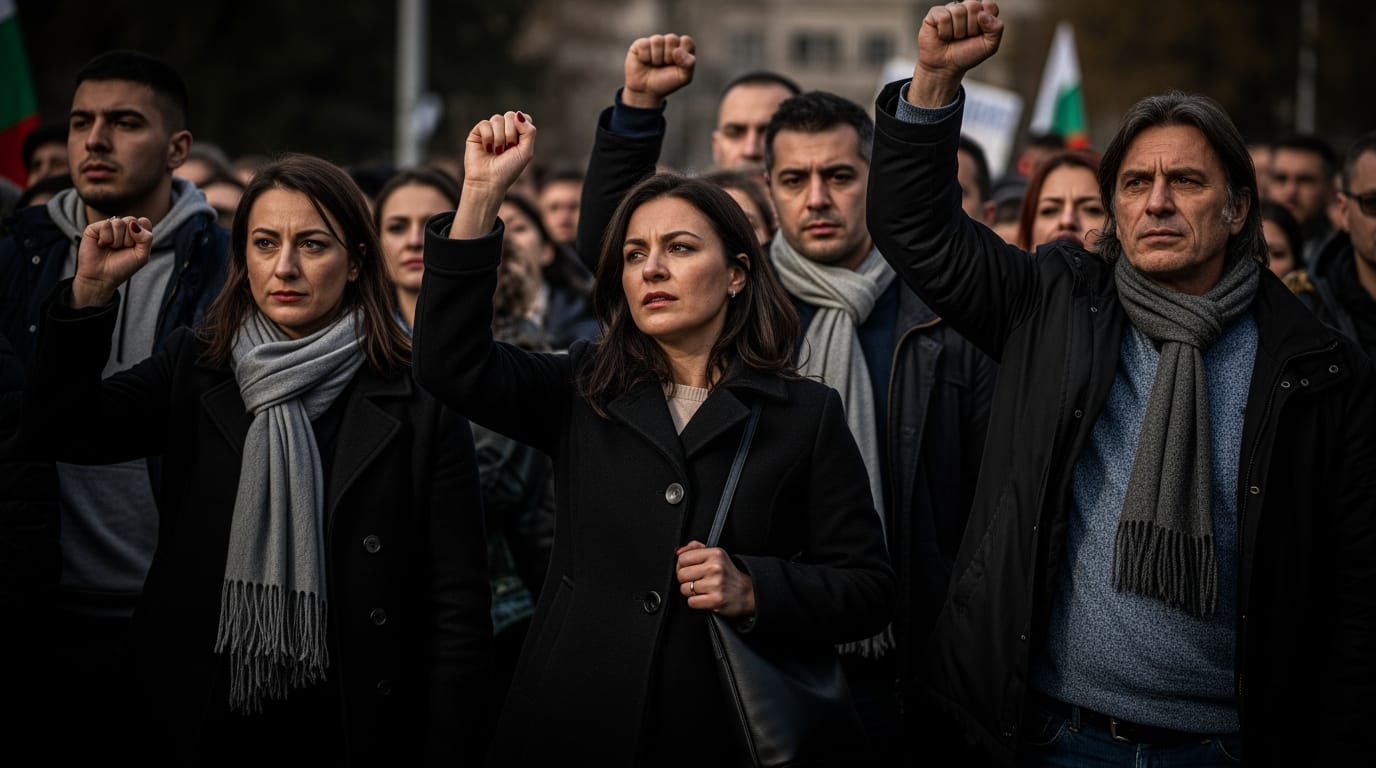
SOFIA, Bulgaria – Bulgaria has been engulfed by a wave of massive anti-government protests, as tens of thousands of citizens took to the streets across the country, primarily in opposition to a controversial 2026 draft budget and a persistent climate of corruption. The demonstrations, described as some of the largest in decades, culminated in the government's decision to withdraw the contested budget proposal, yet calls for the government's resignation and systemic reforms continue to reverberate through the nation. The unrest underscores deep public frustration with perceived elite interests and a lack of accountability, casting a shadow over Bulgaria's imminent adoption of the euro.
The Spark: A Divisive 2026 Budget Proposal
The immediate catalyst for the widespread protests was the government's proposed 2026 draft budget, unveiled in late November. Critics argued that the budget, which included plans for increased taxes and social security contributions on private businesses and individuals, was designed to finance significant wage hikes in the public sector. Many Bulgarians viewed these measures as disproportionately burdening ordinary citizens and small businesses, while simultaneously enriching a bloated state administration. Opposition parties and various organizations claimed the budget sought to conceal rampant corruption and primarily benefit political elites rather than the general populace.
The government, led by Prime Minister Rosen Zhelyazkov, initially advanced the budget through a parliamentary committee in mid-November. Following initial protests, the government pledged to withdraw the draft for revision on November 27, aiming for more consultations with opposition parties, labor unions, and employers. However, a subsequent reversal of this decision, with indications that only amendments would be made, ignited further and larger demonstrations. This perceived backtracking fueled public anger, leading to a significant rally on December 1 that drew an estimated 50,000 people in Sofia, with tens of thousands more protesting in other cities such as Plovdiv, Varna, and Burgas.
Deep-Seated Frustration: A Legacy of Corruption
While the budget served as the immediate trigger, the protests are rooted in long-standing public grievances over endemic corruption and what many perceive as an entrenched "elite-oligarchic model" within Bulgarian politics. Bulgaria consistently ranks among the most corrupt countries in the European Union, a fact highlighted by its score of 43 on Transparency International's 2024 Corruption Perceptions Index, placing it 76th out of 180 countries. This score represents a decline from the previous year and places Bulgaria second to last among EU member states, only ahead of Hungary.
Public frustration is amplified by a perception that high-ranking officials and influential tycoons operate with impunity. Concerns about the influence of controversial figures like Delyan Peevski, leader of the New Beginning party, whose support is seen as crucial for the current parliamentary majority, have become a focal point of public anger. Protesters chanted "Mafia!" and projected images of handcuffs onto government buildings, directly accusing political figures of illicit activities. The deep distrust in governance is further underscored by a history of political instability, with Bulgaria having faced seven parliamentary elections since 2020, frequently resulting in unstable coalition governments.
A New Generation Rises: Voices of Disillusionment
A striking feature of the recent protests has been the prominent role of young Bulgarians, particularly those from Generation Z. Many of these young individuals, having grown up in the European Union, voice a strong desire for transparency, accountability, and a functioning state free from corruption. They organized demonstrations through social media platforms like TikTok and Instagram, using slogans such as "Gen Z is coming for U" and "Give us a reason to stay," reflecting fears that rising taxes, shrinking economic opportunities, and systemic corruption are forcing an entire generation to consider emigration.
The protests began largely peacefully, with chants of "Resignation!" and singing, but tensions escalated in some instances. Masked protesters reportedly threw stones, bottles, and firecrackers at police and political party offices, leading to clashes with riot police who deployed tear gas and made numerous arrests. President Rumen Radev condemned the violence as a "provocation by the mafia," while also demanding the government's resignation and early elections.
Political Fallout and the Eurozone Question
In response to the mounting pressure, the Bulgarian government officially announced on December 2 its full withdrawal of the 2026 draft budget, along with related financial frameworks for State Social Insurance and the National Health Insurance Fund. This decision, made during an absentee government meeting, aims to calm public unrest and initiate a new budget procedure with broader consultations. Prime Minister Zhelyazkov has stated the government will review the investment program and has not ruled out extending the current year's budget into 2026.
However, the budget withdrawal has not quelled all demands. Opposition parties and many protesters continue to call for the government's immediate resignation, arguing that the underlying issues of corruption and lack of governance remain unaddressed. The leader of the opposition We Continue the Change party, Assen Vassilev, indicated plans to submit a no-confidence motion if the government does not step down.
Adding another layer of complexity is Bulgaria's plan to adopt the euro as its official currency on January 1, 2026. While some protesters support euro adoption, others fear it could lead to increased inflation and a loss of national sovereignty. The current political instability and the persistent perception of corruption could complicate this transition, as a stable and transparent economic environment is crucial for successful eurozone integration.
Conclusion: A Turning Point for Bulgarian Democracy
The recent protests in Bulgaria represent more than just a rejection of a specific budget proposal; they signify a profound demand for systemic change, greater accountability, and an end to perceived government corruption. The mobilization of a new generation, amplified by social media, suggests a shifting political landscape where citizens are increasingly unwilling to tolerate the status quo. While the government's withdrawal of the budget is a concession, the underlying issues that fueled the discontent remain. Bulgaria stands at a critical juncture, with its leaders facing intense pressure to enact meaningful reforms that can build public trust and steer the nation towards a more transparent and stable future within the European Union. The outcome of this period of unrest will undoubtedly shape Bulgaria's political and economic trajectory for years to come.


