Bulgaria Threatens Veto on EU Sanctions, Citing Economic Risks and Religious Freedom
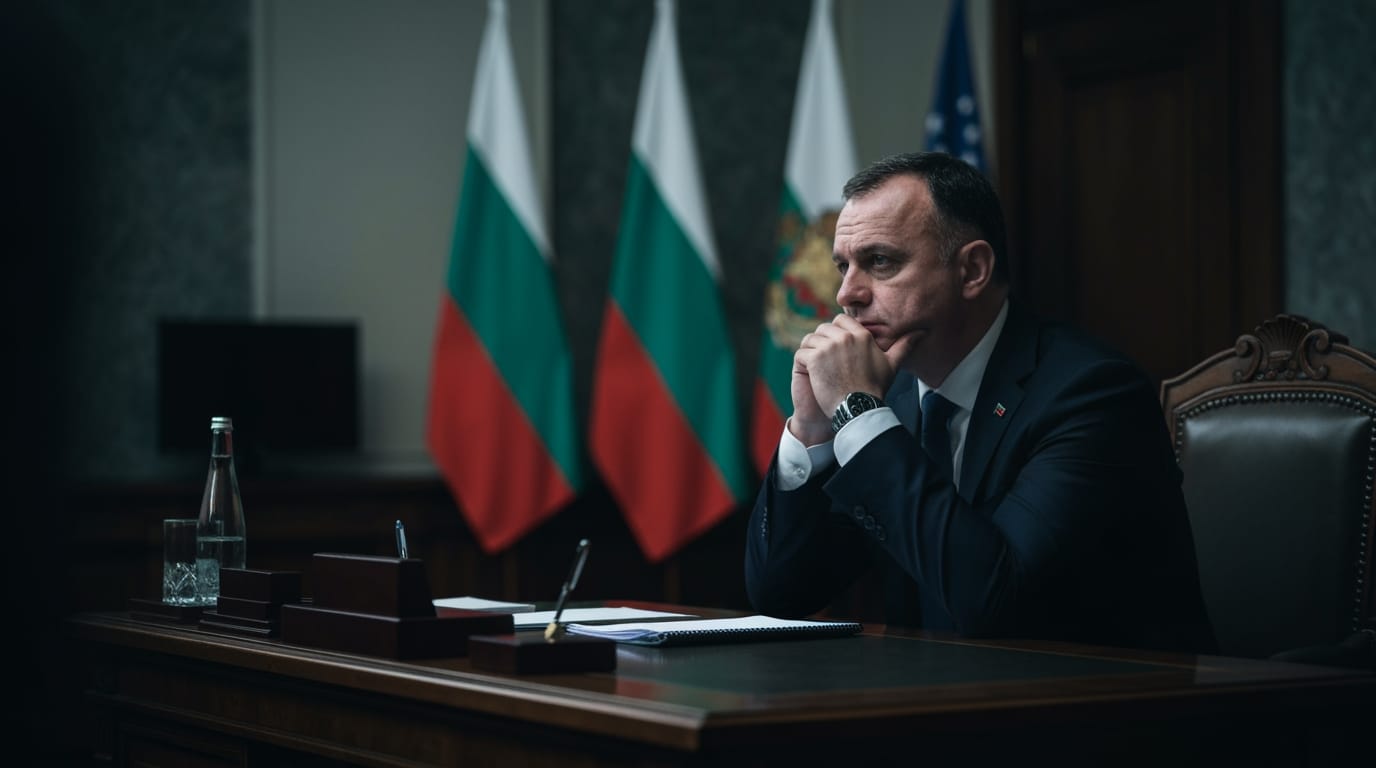
Brussels, Belgium – Bulgaria has emerged as a critical impediment to the European Union's latest efforts to tighten its sanctions regime against Russia, threatening to veto key elements of the proposed 21st package. The Balkan nation's objections stem from a complex interplay of economic vulnerabilities, specific concerns over its energy sector, and a contentious stance on sanctioning religious figures, underscoring the persistent challenges of maintaining unanimous resolve within the 27-member bloc.
Prime Minister Rumen Radev has openly stated that Bulgaria will not support measures that could inflict significant damage on its own economy or infringe upon what it views as fundamental principles, such as religious freedom. This position places Sofia in direct opposition to parts of a comprehensive package designed to further cripple Russia's financial, energy, trade, and military sectors, potentially delaying or watering down the EU's united front against Moscow.
The 21st Sanctions Package and Bulgaria's Sticking Points
The proposed 21st EU sanctions package, unveiled by European Commission President Ursula von der Leyen, is considered one of the most extensive to date, targeting approximately 90 Russian banks, over 170 individuals and entities, including crypto platforms, oil traders, and shipping companies involved in sanctions circumvention. It also introduces unprecedented measures, such as fisheries sanctions and an entry ban for former members of the Russian armed forces.
However, Bulgaria's Prime Minister Radev has been unequivocal in his country's opposition. His primary concerns revolve around the potential adverse economic impact on Bulgaria and a firm disagreement with the inclusion of Patriarch Kirill, the head of the Russian Orthodox Church, on the sanctions list. Radev has critically questioned the overall effectiveness of sanctions in halting the conflict, asking, "In what way have these sanctions so far stopped the war? And in what way have they helped peace at all?" Bulgarian Foreign Minister Velislava Petrova echoed these sentiments, emphasizing that Sofia opposes "symbolic" restrictive measures that lack real economic leverage over Russia and could instead be counterproductive.
Economic Lifelines: The Lukoil Conundrum
At the heart of Bulgaria's economic apprehensions lies the Russian oil giant Lukoil and its Neftochim Burgas refinery, the country's sole operational oil processing facility and a crucial supplier to the domestic fuel market. Prime Minister Radev explicitly demanded the exclusion of Lukoil and its co-owner, Vagit Alekperov, from any sanctions, citing the severe risks to Bulgaria's economy. This demand is particularly acute given that Lukoil has initiated a €3 billion arbitration claim against Bulgaria, a move that Radev argues makes sanctioning Alekperov akin to "shooting ourselves in the foot."
Bulgaria's reliance on Lukoil and Russian oil has a recent history of exceptions within the EU sanctions framework. In December 2022, the European Commission granted Bulgaria a temporary derogation from the EU's embargo on seaborne Russian oil imports, allowing it to continue sourcing crude until the end of 2024 to ensure domestic supply and enable limited exports of refined products to Ukraine. Despite this, Bulgaria moved to end the processing of Russian oil at the Burgas refinery by March 1, 2024. Reports indicated that this derogation had allowed Lukoil's Burgas refinery to continue importing substantial amounts of Russian oil, with some analyses suggesting Bulgaria became the fourth-largest buyer of seaborne Russian crude after India, China, and Turkey in 2023. This has led to accusations that the exemption was exploited, generating significant tax revenues for the Kremlin.
Beyond oil, Bulgaria's historical energy dependence on Russia extends to natural gas and nuclear fuel, with nearly all its imported quantities originating from Russia. While efforts are underway to diversify, including infrastructure investments and seeking alternative gas sources, Russia's influence in Bulgaria's energy sector remains significant. Other economic concerns voiced by Sofia include potential disruptions to the supply of spare parts for its capital's metro system and essential fertilizers for its agricultural sector.
The Spiritual Divide: Patriarch Kirill and Eastern Orthodoxy
A particularly sensitive aspect of Bulgaria's objections is the proposed sanctioning of Patriarch Kirill, the head of the Russian Orthodox Church. Prime Minister Radev has argued passionately against such a move, contending that the conflict should not extend into the realm of religion. He highlighted the historical and cultural ties between the two nations, noting the Russian Orthodox Church's role in Bulgaria's liberation from Ottoman rule and describing them as "one family" in their shared Eastern Orthodox faith.
Bulgarian Foreign Minister Petrova further elaborated on this, labeling sanctions against Kirill as "purely symbolic" and "counterproductive." She warned that such measures could play into anti-Western narratives and be perceived as an infringement on religious freedom, potentially fueling anti-European propaganda. This is not the first time sanctions against Patriarch Kirill have faced internal EU resistance; a similar attempt in 2022 was reportedly blocked by Hungary.
Balancing National Interest with EU Unity
Bulgaria's current stance, articulated by Prime Minister Radev, places it at the center of a familiar dilemma for the EU. The requirement for unanimity in adopting sanctions grants any single member state considerable leverage, exposing fault lines within the bloc's collective response to Russian aggression. While Radev has been described as a "pro-Russian eurosceptic" and has previously expressed reservations about military aid to Ukraine, he has also affirmed that Bulgaria will not obstruct the EU's broader decisions regarding Ukraine, including supporting its accession negotiations.
This nuanced position reflects a delicate balancing act for Sofia: safeguarding perceived national economic interests and cultural connections while remaining aligned with the broader European foreign policy objectives. The ongoing negotiations illustrate the complex reality of enacting unified pressure on Moscow when faced with diverse national priorities and vulnerabilities among EU members. Reaching a consensus on the 21st sanctions package will necessitate careful diplomatic maneuvering to address Bulgaria's specific concerns without undermining the overall impact of the sanctions regime.


