Bulgaria's Unreckoned Past: The Lingering Shadow of Ethnic Cleansing Against Its Turkish Minority
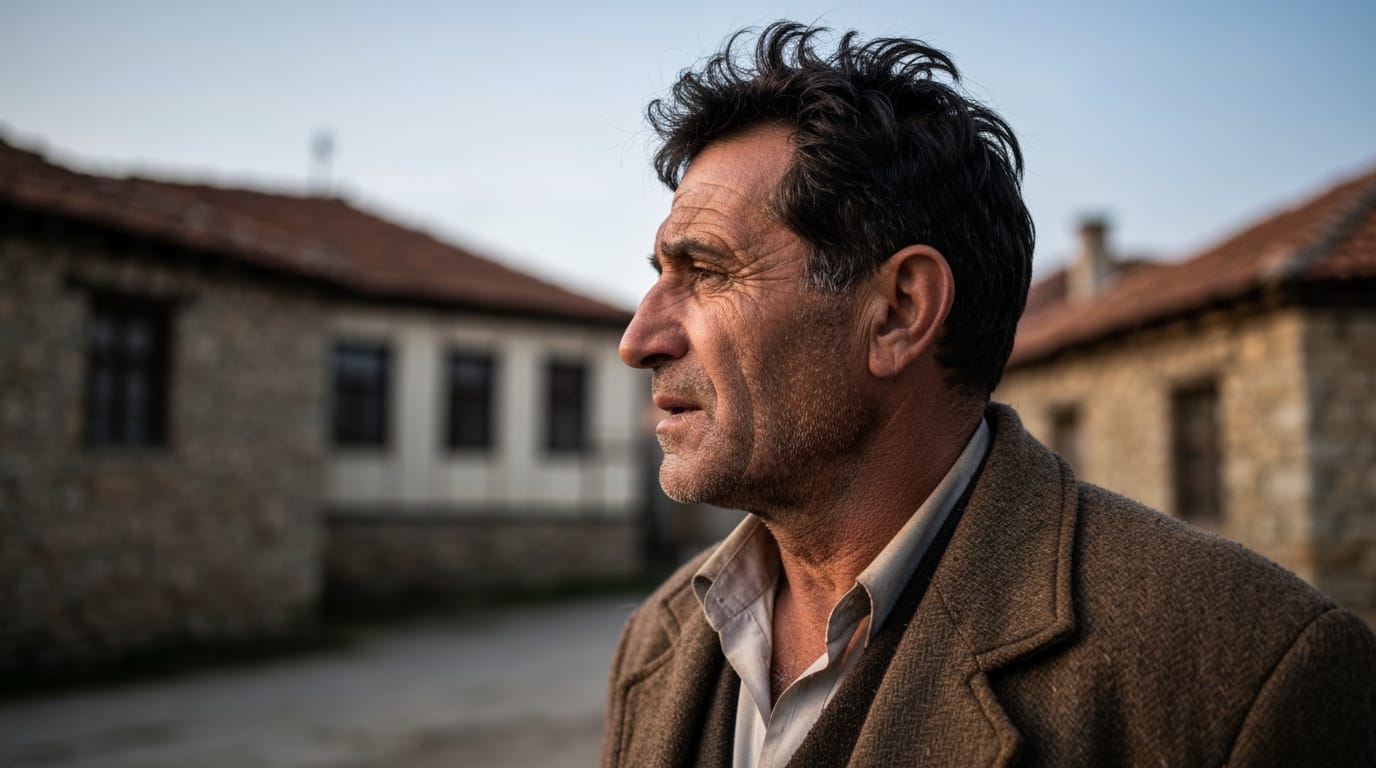
Decades after the forced assimilation and expulsion of hundreds of thousands of its ethnic Turkish citizens, Bulgaria continues to grapple with a historical wound that remains largely unaddressed. While official declarations have acknowledged the scale of the atrocities committed under the communist regime, tangible justice and comprehensive reckoning for the victims remain elusive. This unresolved chapter in Bulgarian history casts a long shadow over the nation's efforts towards full reconciliation and a truly inclusive future.
Roots of Discrimination and the "Revival Process"
The presence of Turks in Bulgaria dates back to the 14th century following the Ottoman conquest of the Balkans, leading to a distinct ethnic and religious minority within the country. Throughout the communist era in Bulgaria (1946-1989), the treatment of the Turkish minority fluctuated between periods of relative tolerance and aggressive assimilation policies. This overt discrimination intensified dramatically in the late 1960s, culminating in the notorious "Revival Process" (Vazroditelen protses) which began in full force in the mid-1980s.
Under the leadership of dictator Todor Zhivkov and the Bulgarian Communist Party, this campaign aimed to forcibly assimilate the country's Muslim population, primarily ethnic Turks, but also Pomaks and Muslim Roma. The state's narrative justified these actions by claiming that Turks in Bulgaria were descendants of Bulgarians who had been forced to convert to Islam during Ottoman rule, thus framing the assimilation as a "restoration" of their "true" Bulgarian origins.
The "Revival Process" involved severe and widespread human rights violations. Authorities concentrated efforts on forced name changes, requiring approximately 850,000 people to replace their Turkish and Arabic-origin names with Bulgarian Slavic names. This was not a voluntary process; local officials and security forces went door-to-door, enforcing the changes under threat of force. Beyond names, the state banned the public use of the Turkish language, restricted religious practices, prohibited traditional dress, and even targeted Turkish-written gravestones. Those who resisted faced fines, detention, internal exile, and imprisonment in camps like Belene, with estimates of deaths ranging from hundreds to possibly over a thousand.
The "Big Excursion" of 1989: A Mass Expulsion
By 1989, the repressive policies escalated into a mass expulsion that became known as the "Big Excursion". The regime, facing mounting internal protests and international condemnation, opened its borders to Turkey, effectively compelling its Turkish minority to leave the country. Between May and August 1989, an estimated 300,000 to 400,000 Bulgarian Turks were forced to flee to Turkey. This swift and brutal displacement marked the largest act of ethnic cleansing in Cold War Europe since the expulsion of ethnic Germans in the 1940s.
Families were given little time to pack, often leaving behind homes, land, and possessions, with many unable to sell their assets at fair value. Individuals who were perceived as "ringleaders" of anti-regime protests were among the first to be expelled to countries like Austria, Yugoslavia, and Sweden. The exodus created a refugee crisis in Turkey, which eventually reinstated visa requirements, stemming the flow of refugees. International bodies and Western governments condemned these actions, recognizing them as clear violations of human rights.
A Partial Acknowledgment, Limited Justice
Following the fall of Todor Zhivkov's regime in November 1989, the new Bulgarian government began to reverse some of the discriminatory policies. The right to hold Turkish names was restored, and religious and cultural restrictions were eased. Many of the expelled Turks began to return to Bulgaria, with approximately 150,000 to 200,000 repatriating by late 1990 and 1991.
In a significant, albeit belated, move, the Bulgarian Parliament adopted a declaration on January 11, 2012, condemning the "Revival Process" as an assimilation policy of a totalitarian regime. The declaration explicitly stated that "the expulsion of more than 360,000 Bulgarian citizens of Turkish origin in 1989 constitutes a form of ethnic cleansing committed by the totalitarian regime". This official recognition was welcomed internationally as a step towards facing a dark period of history.
Despite this parliamentary condemnation, substantive justice for the victims remains largely unrealized. No individuals responsible for orchestrating or executing the "Revival Process" have been brought to justice and punished in court. Calls from the Turkish foreign ministry and internal political actors for the prosecution of perpetrators and redress for victims have largely gone unheeded. The issue of statute of limitations has been cited as a barrier to prosecution, shifting the blame from specific culprits to the entire Bulgarian nation. Victims have received no compensation, and the lack of comprehensive remembrance and reconciliation mechanisms persists.
Lingering Shadows and the Path Forward
Today, ethnic Turks constitute Bulgaria's largest minority group, comprising roughly 8.4% of the population, numbering over 500,000 people according to the 2021 census. While their rights have been formally restored, and a Turkish political party (Movement for Rights and Freedoms, MRF) holds seats in parliament, the legacy of the "Revival Process" continues to impact inter-ethnic relations and national identity.
Surveys indicate that negative attitudes towards Turks and Islam, rooted in historical perceptions of the Ottoman era, still prevail among some segments of Bulgarian society. The pressure to assimilate, or perceive of a choice between assimilation and emigration, remains an underlying current for some, particularly in communities outside of major urban centers. While there's a discernible trend towards improving attitudes, social distance and a sense of "othering" persist.
The failure to fully acknowledge, prosecute, and compensate for the ethnic cleansing of the 1980s represents an unaddressed historical trauma. For true reconciliation to occur, a deeper engagement with the past is necessary, moving beyond formal declarations to implement concrete measures of justice, education, and remembrance. Only then can Bulgaria genuinely confront its history, foster healing within its communities, and solidify its democratic values.


