Transatlantic Divide Deepens: US and EU Clash Over the Future of Online Regulation
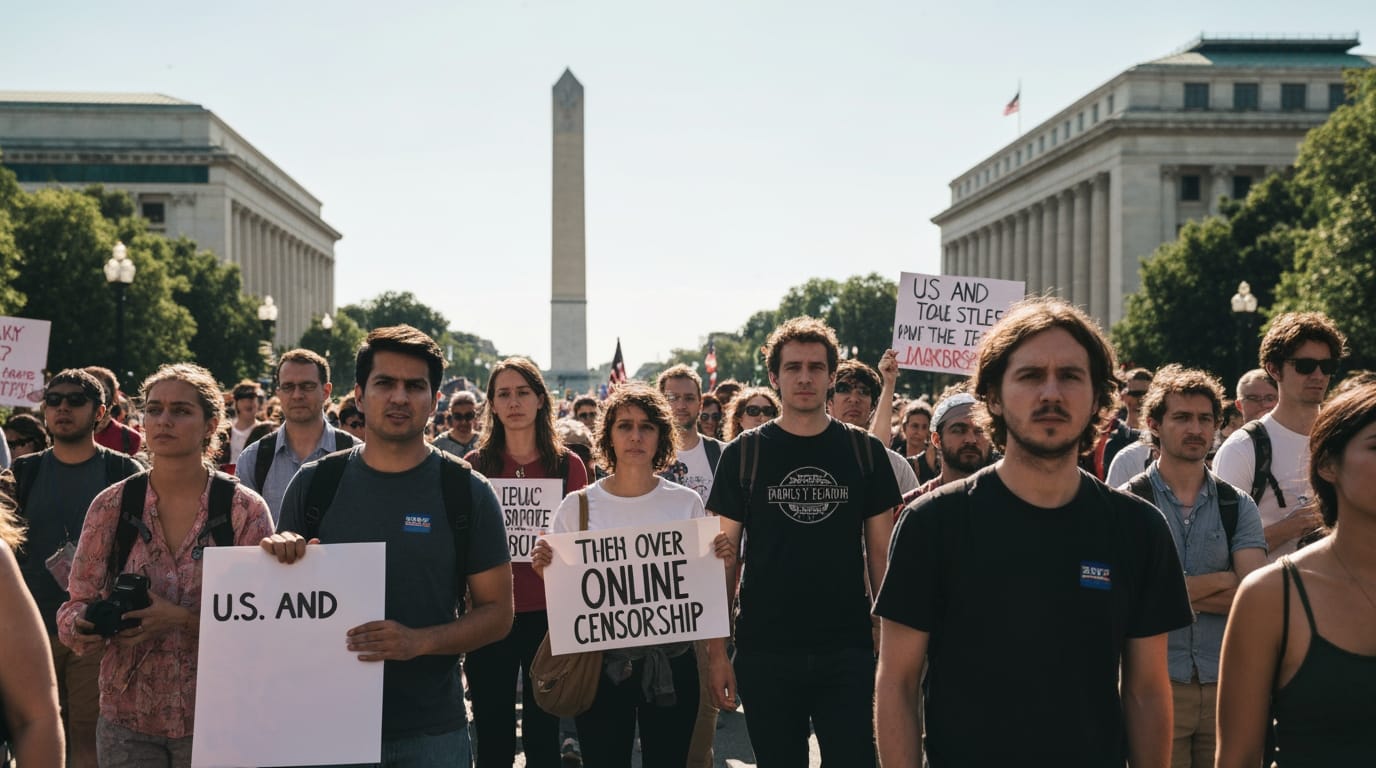
A burgeoning regulatory chasm between the United States and the European Union is rapidly reshaping the global digital landscape, pitting America's foundational free speech principles against the EU's assertive drive for online safety, privacy, and market fairness. At the heart of this transatlantic struggle are landmark European legislations like the Digital Services Act (DSA) and the Digital Markets Act (DMA), which impose far-reaching obligations on tech giants, many of them US-based. This divergence in philosophy and policy has ignited heated debates, triggered significant financial implications for corporations, and fueled concerns over the potential for a fragmented internet.
Europe's Bold Regulatory Framework: A Shield for Users and Markets
The European Union has embarked on an ambitious journey to rein in the power of large online platforms, asserting what it terms "digital sovereignty." This effort is primarily encapsulated in a suite of regulations designed to protect users and foster fairer competition.
Central to this strategy is the Digital Services Act (DSA), which became fully applicable in February 2024. The DSA aims to create a safer online environment by holding platforms accountable for illegal content, misinformation, and other harmful activities. It mandates stricter content moderation rules, enhances transparency in digital advertising, and fortifies user rights. Platforms deemed "Very Large Online Platforms" (VLOPs) or "Very Large Online Search Engines" (VLOSEs) – defined by having over 45 million monthly users in the EU – face the most stringent requirements, including proactive risk assessments and mitigation measures for systemic risks like disinformation and hate speech. Non-compliance with the DSA carries substantial financial penalties, potentially reaching up to 6% of a company's global annual turnover.
Complementing the DSA is the Digital Markets Act (DMA), a regulation targeting major online platforms designated as "gatekeepers." The DMA seeks to curb anti-competitive practices, such as self-preferencing a company's own services, and aims to foster a more competitive digital marketplace. Fines for repeated infringements under the DMA can be as high as 20% of a company's total worldwide annual turnover, with the ultimate sanction potentially involving structural changes like breaking up businesses.
These regulations build upon the precedent set by the General Data Protection Regulation (GDPR), enforced in 2018. The GDPR established rigorous standards for processing personal data and empowered individuals with greater control over their information, including rights to access, erasure, and data portability. Its extraterritorial reach means it applies to any organization globally that processes data of EU residents. The EU's comprehensive AI Act further solidifies its regulatory posture, setting guidelines for transparency, risk assessment, and data usage in artificial intelligence.
From the European perspective, these legislative efforts are essential to protect fundamental rights, ensure a level playing field, and mitigate systemic online risks that can undermine democratic processes and public safety.
America's Free Speech Principles and Pushback Against EU Rules
The United States approaches online content with a distinct philosophy, heavily rooted in the First Amendment's expansive protection of free speech. This constitutional principle primarily restricts government interference with expression. A cornerstone of US internet policy has been Section 230 of the Communications Decency Act, which shields online platforms from liability for content posted by their users while also allowing them to moderate content voluntarily.
US officials and many tech companies view the EU's regulations as encroaching on these free speech traditions and unfairly targeting American innovation. They argue that the DSA and DMA disproportionately burden US technology firms with significant compliance costs and potential fines, labeling these measures as "non-tariff attacks" or "digital tariffs." Some US policymakers contend that the EU's broad definitions of "harmful" or "illegal" content risk empowering authorities to suppress speech that would be protected under American law, potentially leading to "authoritarian censorship."
This tension escalated with reports of a US State Department initiative, provisionally dubbed "freedom.gov," an online portal designed to help users in the EU and elsewhere bypass content restrictions imposed by local rules. The proposed portal could include virtual private network (VPN) functionality to mask user locations, making traffic appear to originate in the US, thereby sidestepping geographic enforcement of content limitations. While proponents frame this as countering censorship, critics worry it could facilitate access to content deemed illegal in the EU, such as hate speech or terrorist propaganda.
Economic Stakes and Geopolitical Maneuvering
The clash extends beyond philosophical differences to tangible economic and geopolitical considerations. US tech companies, which dominate many digital sectors, face a complex and costly compliance landscape. A 2025 report by the Computer and Communications Industry Association estimated that American companies could incur $2.2 billion in annual compliance costs and face up to $62.5 billion in fines and penalties annually under EU digital services regulations. This financial burden, US critics argue, stifles innovation and weakens the global competitiveness of American tech firms.
The EU's regulatory assertiveness has also led to what is often referred to as the "Brussels Effect," where its regulations effectively set global standards due to the size and economic power of the EU market. Companies often choose to comply with the stricter EU rules globally rather than operating under different standards in various jurisdictions.
The dispute has ignited geopolitical maneuvering. The Trump administration has openly criticized EU tech policies, and some Republicans in Congress have echoed concerns, threatening retaliatory tariffs and even imposing visa bans on EU officials involved in tech regulation. In a notable recent development, X (formerly Twitter) filed a legal challenge against a $140 million fine imposed by the European Commission under the DSA, arguing that the act represents a "sweeping censorship regime" that imposes European speech restrictions globally. The European Commission has also initiated investigations into Meta for potential antitrust violations and insufficient measures to protect minors, further demonstrating its commitment to enforcing its regulatory framework.
A Digital Cold War? Competing Futures for the Internet
The fundamental divergence between the EU and US approaches reflects deeply ingrained cultural and legal traditions. Europe, with its history of safeguarding against extremist ideologies and protecting individual privacy rights, leans towards a rights-based, comprehensive regulatory model. The US, championing free expression and fostering a dynamic, innovation-driven digital economy, prefers a more laissez-faire, sector-specific, and self-regulatory approach.
This growing rift poses significant questions about the future of global internet governance. Critics warn that the escalating tensions could lead to a more fragmented internet, where users experience vastly different online environments and content access depending on their geographic location. While past agreements, such as the EU-US Data Privacy Framework, demonstrate that cooperation is possible, the depth of current philosophical differences makes finding common ground increasingly challenging. The ongoing "battle" highlights a broader struggle for digital sovereignty and influence in shaping the rules of the online world.
The coming years will be crucial in determining whether the US and the EU can navigate these complex regulatory waters to establish a cohesive framework for digital platforms or if their contrasting visions will lead to deeper divisions, with profound consequences for businesses, users, and the very nature of the global internet. The stakes are undeniably high as both economic powerhouses contend for leadership in defining the digital age.


