Canberra: A Capital Example of Renewable Energy Transition
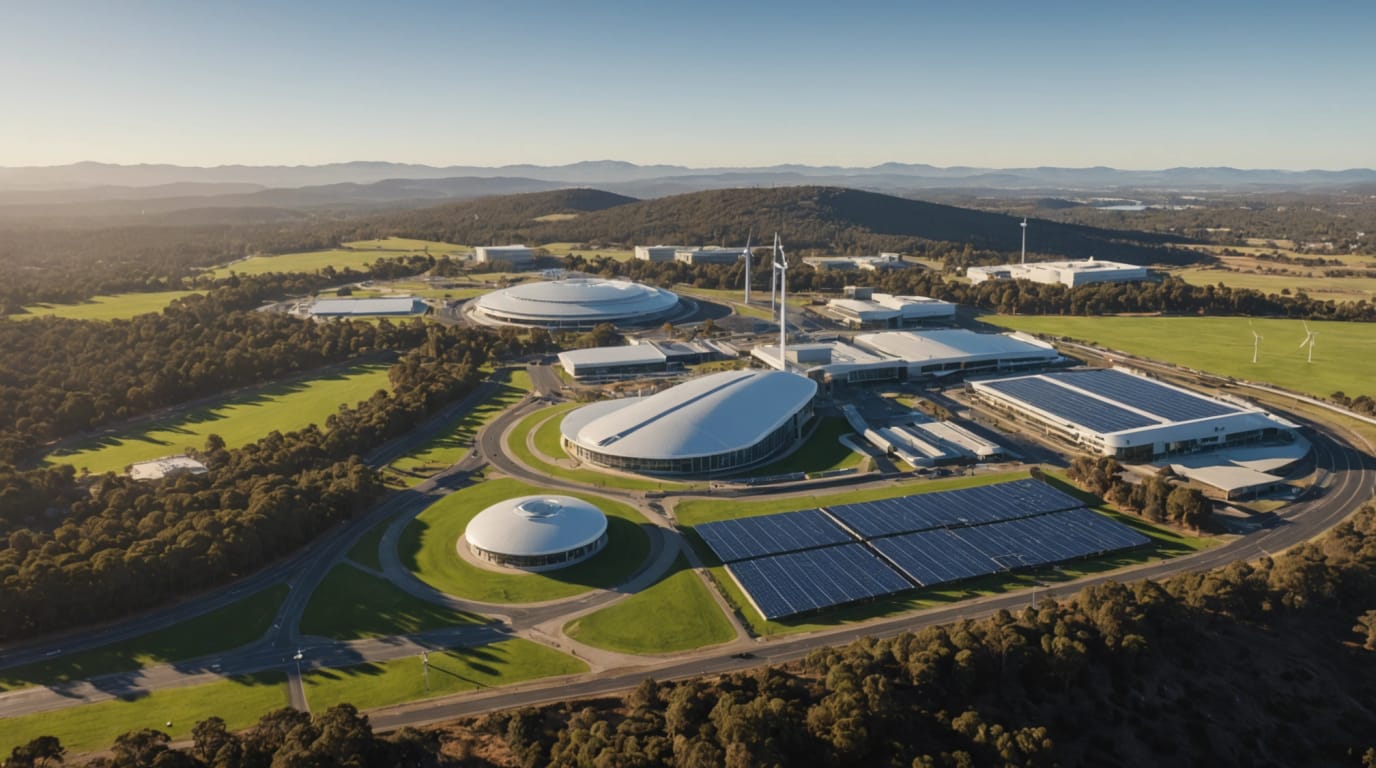
Canberra, the capital of Australia, has emerged as a global leader in the transition to renewable energy, achieving 100% renewable electricity in 2020, becoming the first city outside of Europe to reach this milestone. This achievement marks a significant step towards the city's ambitious goal of net-zero emissions by 2045 and offers a blueprint for other cities and regions striving for a sustainable future.
A Bold Commitment and Ambitious Targets
The Australian Capital Territory (ACT), where Canberra is located, demonstrated its commitment to tackling climate change through the Climate Change and Greenhouse Gas Reduction Act 2010. This legislation set a target of net-zero emissions by 2045, with interim targets including a 40% reduction in greenhouse gas emissions from 1990 levels by 2020. To achieve these goals, the ACT government focused on transitioning to a renewable electricity supply.
The ACT's Sustainable Energy Policy 2011–20 further solidified this commitment, aiming to increase the share of renewable energy use to 25% by the end of the decade. This target was considered ambitious at the time, setting the ACT apart from other regions with less aggressive goals.
The Reverse Auction Innovation
To secure renewable energy at competitive prices, the ACT government pioneered a "reverse auction" process. This innovative approach ensured that residents received the best value for their renewable energy investments. Through this process, the government contracted 640MW of renewable energy, securing a 100% renewable electricity supply.
The reverse auction also delivered more than $400 million in economic benefits to the ACT, fostering the development of renewable energy research and development, renewable energy education, and a growing hub for renewable energy businesses.
Sources of Renewable Energy
Canberra's renewable electricity is sourced from a mix of wind and solar power. Large-scale wind farms supply the majority of the ACT's renewable electricity. Solar energy is also a significant contributor, with several large-scale solar farms located in the region, including the Mugga Lane Solar Park, Williamsdale Solar Farm, and Royalla Solar Farm. Additionally, many homes and businesses in the ACT have small rooftop solar panels that generate energy.
The ACT government has also invested in battery storage programs, helping to fund battery storage for thousands of Canberra homes. This investment in energy storage is crucial for ensuring the reliability and stability of the renewable energy supply.
Electrification and the Path to Net-Zero
With 100% renewable electricity achieved, the ACT is now focused on electrifying its homes, businesses, and transport sectors. This involves phasing out fossil fuels, such as gas, petrol, and diesel, and transitioning to electric appliances, vehicles, and public transport.
The ACT government is supporting this transition through various initiatives, including loans, rebates, and incentives for households and businesses to switch to electric alternatives. The government is also implementing regulations to prevent new gas connections, ensuring that new homes and businesses are all-electric from construction.
The ACT has set a target to reduce emissions from transport and gas, which currently account for a significant portion of the ACT's emissions. The public transport system is anticipated to be fully electric by 2040.
Challenges and Opportunities
While Canberra has made significant progress in its renewable energy transition, challenges remain. Integrating renewable energy into the grid, managing grid stability, and addressing supply chain issues are ongoing concerns.
Despite these challenges, the transition to renewable energy presents numerous opportunities for Canberra. The city has attracted more than $2 billion in investment into sustainable energy and has become a hub for cleantech and renewable energy industries. The ACT's nation-leading policies make it an attractive launch point for businesses entering the Australian energy market.
A Model for Other Cities
Canberra's journey to 100% renewable electricity serves as a model for other cities and regions around the world. By setting ambitious targets, implementing innovative policies, and investing in renewable energy infrastructure, Canberra has demonstrated that a transition to a sustainable energy future is possible.
The ACT's success has also inspired other states and territories within Australia to consider market mechanisms that can foster an increase in the share of renewables in the electricity sector.
As Canberra continues its journey towards net-zero emissions by 2045, the city's experience will provide valuable lessons and insights for others seeking to create a cleaner, more sustainable future. The focus on electrification, combined with a commitment to renewable energy, positions Canberra as a leader in the global effort to combat climate change.