Carnaval Controversy: Lula Tribute Float Ignites Debate in Rio
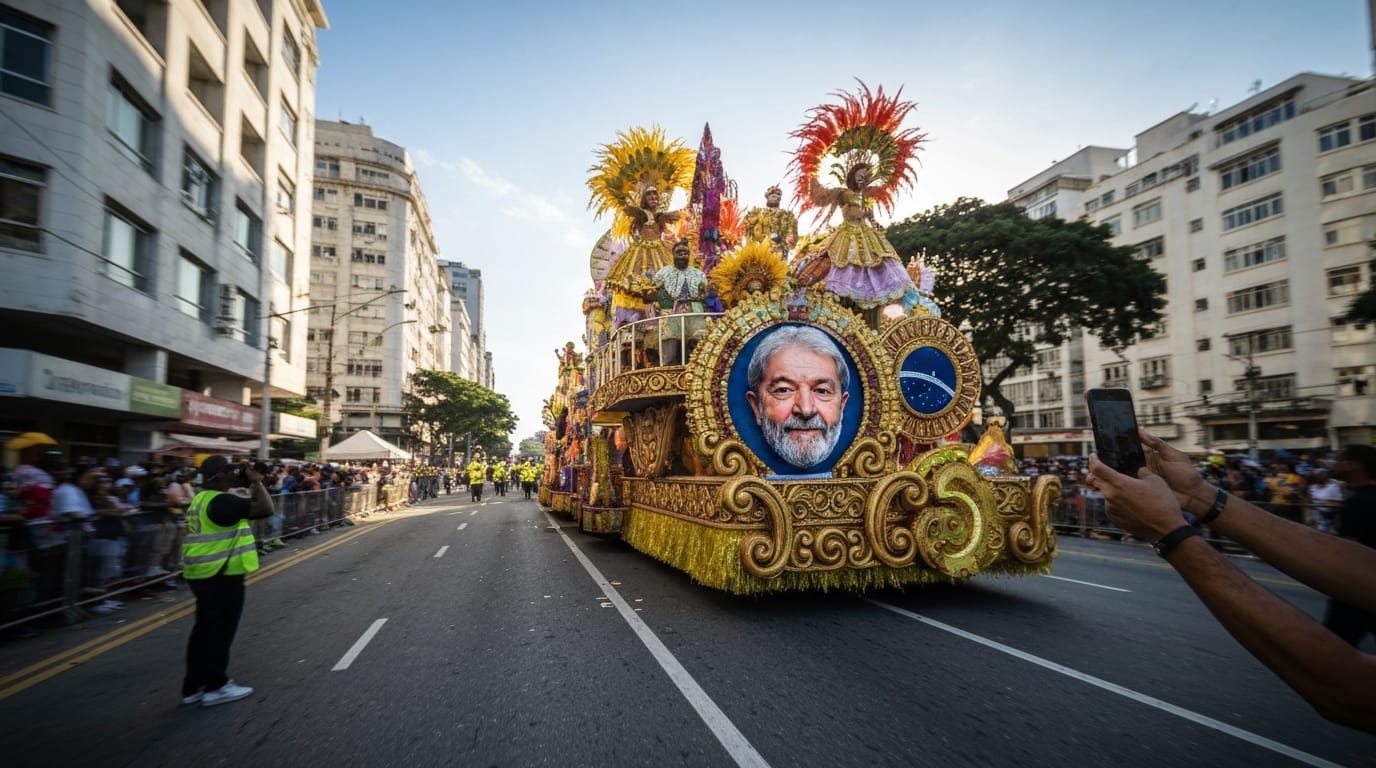
Rio de Janeiro's iconic Carnaval, a spectacle globally renowned for its vibrant energy, intricate costumes, and powerful samba, found itself at the heart of a heated political debate recently. A float from the Imperatriz Leopoldinense samba school, during its 2023 parade, drew significant criticism for an apparent tribute to Luiz Inácio Lula da Silva, shortly after his return to the presidency. The visual, interpreted by many as a direct homage to the newly inaugurated leader, quickly transcended the festive atmosphere, sparking a national conversation about artistic freedom, political neutrality in cultural events, and the deeply polarized landscape of Brazilian society.
The contentious moment unfolded on the Sambadrome Marques de Sapucaí as Imperatriz Leopoldinense presented its samba-enredo, a thematic narrative intricately woven into the school's parade. The school's overall theme, "Mandrágora de Raiz," was a powerful celebration of indigenous culture and the legacy of Xingu leader, José Bezerra da Costa, known as Pajé Guyrá. It aimed to critique environmental destruction and champion the resilience of Brazil's native peoples. However, one specific float garnered disproportionate attention. It depicted an indigenous figure bestowing a crown upon another figure, widely recognized by onlookers and media commentators as resembling President Lula. This visual, seen as symbolizing his reascension to power and a potential new era for environmental and indigenous policies, immediately resonated beyond the cultural spectacle, igniting a fervent discussion across traditional and social media platforms.
The core of the criticism centered on the perceived politicization of a beloved national festival. Detractors, including segments of the political opposition and media outlets, argued that Carnaval, while often a platform for social commentary, should ideally maintain a degree of political impartiality, particularly regarding current political figures. Concerns were raised that showcasing a tribute to a sitting president, especially one as polarizing as Lula, crossed a line, transforming a cultural celebration into a partisan endorsement. Many pointed to Lula's past legal battles, including corruption convictions that were later annulled, as reasons why such an overt homage was inappropriate for an event intended to unite the nation in revelry. The argument frequently surfaced that while artistic expression is vital, it should not serve as an uncritical platform for political promotion, particularly when the nation remains deeply divided along political lines following a contentious election cycle.
Conversely, the samba school and its supporters strongly defended the float as an exercise in artistic freedom and a reflection of the national mood. They asserted that Carnaval has a long and proud history of serving as a powerful conduit for social and political commentary, often challenging established norms and celebrating figures perceived as agents of positive change. From this perspective, the depiction was not merely a tribute to an individual but a symbolic representation of hope for a new direction for Brazil, particularly concerning indigenous rights and environmental protection—themes central to Imperatriz Leopoldinense's enredo. Proponents highlighted the historical context of the past administration's policies, which many felt were detrimental to these causes, suggesting the float was a natural artistic response to the perceived shift in national leadership and priorities. For many artists and cultural commentators, attempting to censor or criticize such expressions would undermine the very essence of Carnaval as a popular art form deeply intertwined with the nation's social fabric.
The incident underscored the profound political polarization that continues to grip Brazil, even in moments typically reserved for national unity and celebration. Carnaval, traditionally a space where social hierarchies are momentarily inverted and collective joy reigns, became another arena for the ongoing cultural wars. The intense reactions, both positive and negative, to the float mirrored the deep divisions that characterized the recent presidential election. It illuminated how even seemingly cultural gestures can be imbued with significant political meaning and become flashpoints in a fractured society. The episode also highlighted the evolving role of cultural institutions like samba schools, which, while deeply rooted in tradition, increasingly find themselves navigating the complexities of contemporary political discourse, often choosing to actively participate rather than remain aloof.
In the aftermath, the debate extended beyond the immediate days of Carnaval, sparking discussions about the boundaries of artistic expression, the expectations of political neutrality in major public events, and the right of cultural organizations to articulate their perspectives. While Imperatriz Leopoldinense ultimately won the 2023 Carnaval championship, the conversation ignited by its controversial float left an indelible mark. It served as a powerful reminder that in Brazil, even the most joyous and celebratory of traditions are inextricably linked to the nation's political pulse, reflecting its aspirations, divisions, and ongoing struggles for identity and direction. The controversy confirmed that Carnaval remains not just a party, but a profound mirror reflecting the very soul of the Brazilian nation, in all its complexity and passion.


