Ukraine's Anti-Graft Battle Intensifies as Former Top Energy Official Faces Money Laundering Charges
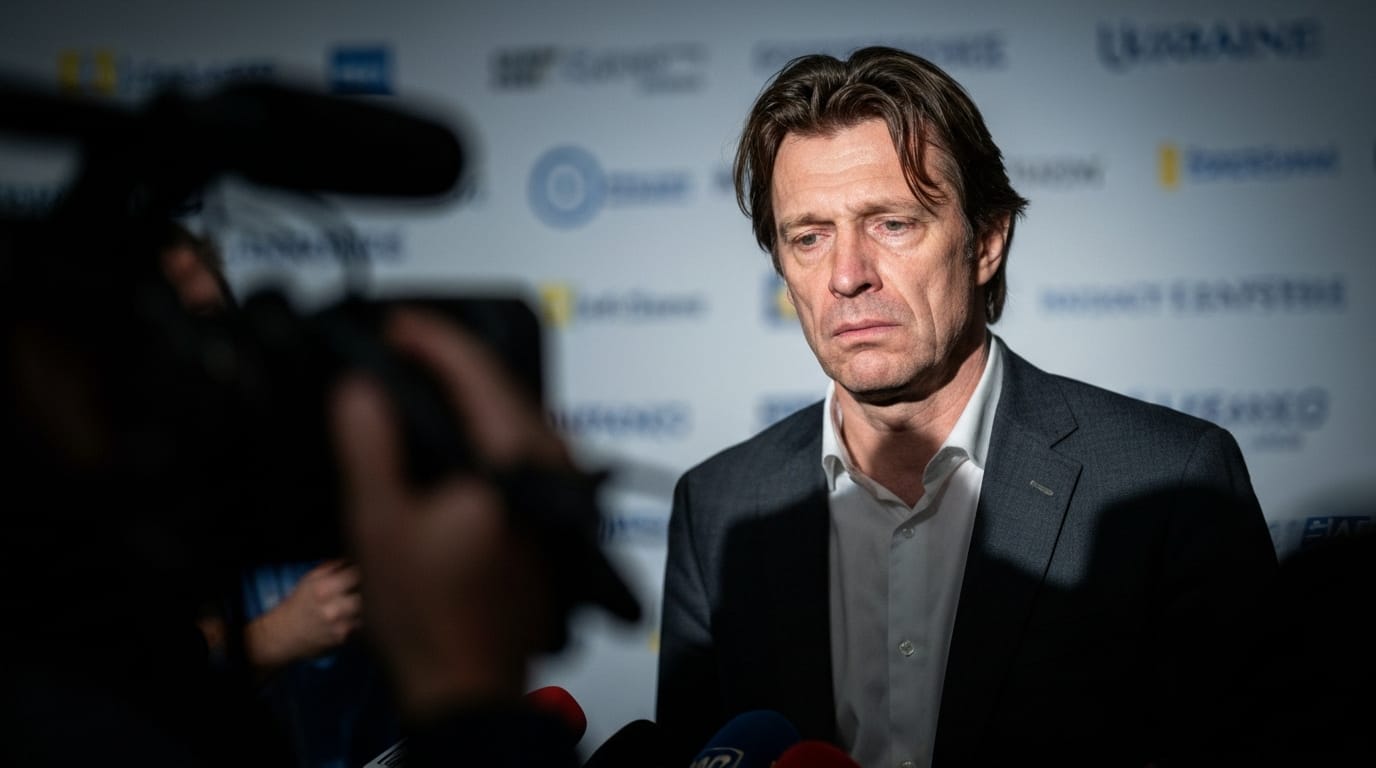
KYIV, Ukraine – Ukraine's tenacious fight against deep-seated corruption has entered a critical phase with a former high-ranking official, once a key figure in the nation's vital energy sector, facing serious accusations of money laundering. The charges, brought forward by Ukraine's anti-corruption agencies, underscore Kyiv's unwavering commitment to judicial reform and transparency, particularly as the nation seeks closer integration with Western institutions and international support. The ongoing investigation and subsequent legal proceedings highlight the pervasive challenges of illicit financial flows and the complex mechanisms employed to conceal ill-gotten gains within the country's strategic industries.
Unraveling a Complex Financial Web
The core of the prosecution centers on allegations that the former official orchestrated a sophisticated scheme to launder vast sums of money derived from illicit activities connected to state-owned enterprises within the energy sector. Investigative bodies assert that the official, leveraging their influential position, facilitated corrupt procurement contracts and diverted state funds through a labyrinthine network of offshore companies and foreign bank accounts. The scheme, which allegedly spanned several years, involved multiple jurisdictions and intricate financial transactions designed to obscure the true origin and beneficiaries of the funds. This meticulous layering of assets across international borders is a hallmark of sophisticated money laundering operations, making detection and prosecution particularly challenging.
The National Anti-Corruption Bureau of Ukraine (NABU) and the Specialized Anti-Corruption Prosecutor's Office (SAPO), the nation's independent anti-corruption institutions, have spearheaded the investigation. Their efforts reportedly involved extensive forensic accounting, international legal assistance requests, and detailed analysis of financial records spanning years. The alleged sums involved are substantial, with prosecutors presenting evidence of tens of millions of dollars moved through various shell corporations registered in jurisdictions known for financial opacity. This intricate financial architecture was allegedly used to convert illicit proceeds into legitimate-looking assets, including luxury properties and investments, both domestically and abroad. The exposure of such a scheme, particularly one involving an individual of significant stature, sends a powerful message about the evolving capabilities and determination of Ukraine's anti-corruption framework.
A Decades-Long Influence in the Energy Sector
The accused, Mykola Martynenko, a former Member of Parliament and head of the Verkhovna Rada's (parliament's) committee on fuel and energy complex, held a position of considerable power and influence over Ukraine's energy landscape for many years. His tenure coincided with periods marked by persistent allegations of systemic corruption within state energy companies, including those involved in nuclear power generation and uranium extraction. Such critical sectors, often characterized by large-scale state procurements and significant financial flows, have historically been vulnerable to corrupt practices. The accusations against Martynenko are not isolated, but rather reflect broader concerns that have long plagued Ukraine's energy industry, hindering its reform efforts and creating vulnerabilities.
Martynenko's political career, which began in the early 2000s, saw him rise through the ranks, becoming a prominent figure whose decisions directly impacted the strategic direction and financial health of Ukraine's energy enterprises. His role as chairman of the parliamentary committee on fuel and energy complex granted him significant oversight and legislative influence over the sector. This long-standing involvement in a sector notorious for its susceptibility to graft provides crucial context to the current money laundering allegations, suggesting a pattern of leveraging public office for private gain. The investigation delves into how this extensive influence may have been instrumental in establishing and maintaining the alleged illicit financial schemes.
The International Dimension and Legal Battle
The investigation into the alleged money laundering scheme has a significant international dimension, highlighting the necessity of cross-border cooperation in combating financial crimes. Evidence suggests that a substantial portion of the laundered funds was channeled through banking systems in European countries, notably Switzerland. This led to parallel investigations and legal proceedings in foreign jurisdictions, where some of the alleged illicit assets were reportedly frozen. The collaboration between Ukrainian law enforcement and their international counterparts, including Swiss authorities, has been critical in tracing the complex financial trail and gathering evidence essential for the current prosecution.
The legal battle in Ukraine has been protracted and complex, involving multiple court hearings, appeals, and intense scrutiny from civil society and international observers. The defense has consistently denied the charges, arguing political motivation and procedural irregularities. However, prosecutors from NABU and SAPO have maintained that the evidence meticulously gathered, including financial documents, witness testimonies, and expert analyses, overwhelmingly supports the accusations of money laundering and embezzlement. The case exemplifies the difficulties inherent in prosecuting high-profile corruption cases, where legal teams often engage in sophisticated strategies to challenge evidence and delay proceedings. The outcome of these trials is therefore closely watched, not only by Ukrainians but also by international partners who view such cases as litmus tests for Ukraine's commitment to the rule of law.
Implications for Ukraine's Anti-Corruption Drive
The prosecution of a former top energy official for money laundering carries profound implications for Ukraine's broader anti-corruption agenda. It demonstrates the continued resolve of NABU and SAPO to pursue justice regardless of an individual's past political stature, a crucial element in establishing public trust in judicial institutions. For a nation grappling with the ongoing ramifications of conflict and striving for European Union membership, combating corruption is not merely a legal obligation but a strategic imperative. The success of such high-profile cases sends a clear signal to both domestic actors and international partners that accountability is paramount and that the era of impunity for grand corruption is drawing to a close.
Furthermore, the case sheds light on the systemic vulnerabilities within Ukraine's energy sector that have historically allowed for such alleged schemes to flourish. Successful prosecution could catalyze further reforms aimed at enhancing transparency, strengthening corporate governance in state-owned enterprises, and implementing more stringent oversight mechanisms. It reinforces the message that financial integrity is non-negotiable for future investments and sustainable economic development. The case also serves as a stark reminder of the sophisticated nature of financial crime and the continuous need for robust legal frameworks and investigative capabilities to trace and recover stolen assets, particularly those hidden across international borders.
In conclusion, the ongoing legal proceedings against the former top energy official for money laundering represent a significant juncture in Ukraine's protracted struggle against corruption. This case, emblematic of the country's commitment to reform, is more than just a judicial process; it is a testament to the perseverance of its anti-corruption institutions and a critical step towards fostering a more transparent and accountable governance system. Its resolution will undoubtedly influence Ukraine's trajectory as it endeavors to solidify its democratic values and integrate further into the global community, underscoring the vital importance of upholding the rule of law in even the most challenging circumstances.


