Carnival: A Global Celebration with a Billion-Dollar Economic Impact
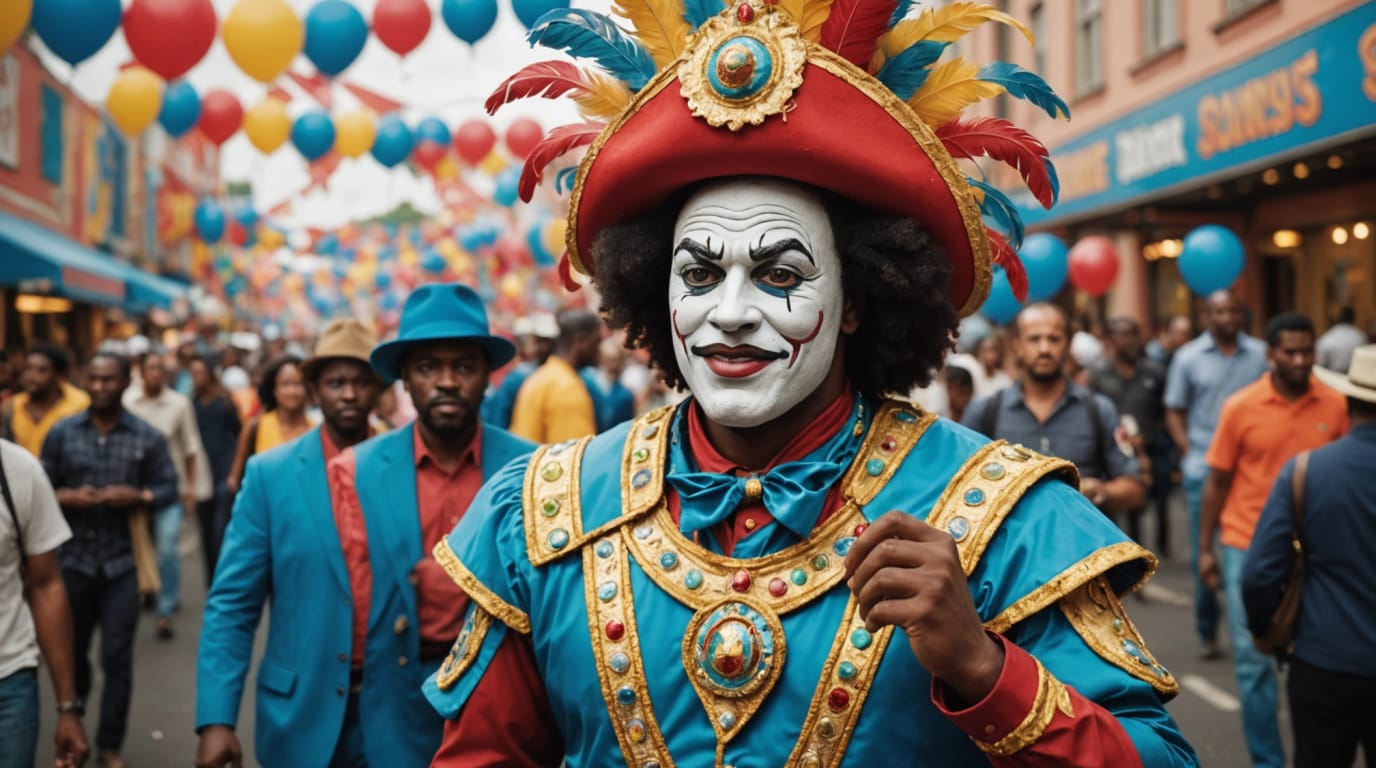
Carnival, a jubilant fusion of cultural expression and historical tradition, explodes onto the world stage annually, bringing communities together in a kaleidoscope of color, music, and dance. More than just a spectacle, Carnival is a significant economic engine, injecting billions of dollars into local and national economies worldwide. From the vibrant streets of Rio de Janeiro to the historic French Quarter of New Orleans, the festivities generate revenue, create jobs, and support countless businesses.
A Resurgence in Rio
Rio de Janeiro's Carnival is perhaps the most iconic celebration, drawing millions of revelers and generating substantial income. This year's Carnival saw a 12% increase in international tourists compared to 2024, according to Marcelo Freixo, president of Embratur. January 2025 alone brought 1.48 million international visitors to Brazil, a 55% increase from the same month last year. The National Confederation of Commerce (CNC) estimates the festival will generate R$12.03 billion ($2 billion), representing a real growth of 2.1% after inflation adjustments. Rio de Janeiro anticipates R$5.5 billion ($917 million) in revenue, with hotels near full capacity and nightly rates exceeding $500 in prime locations. The city expanded its street party lineup to 482 events, 32 more than last year, further boosting local spending.
The economic impact extends to employment, with an expected 32,600 temporary jobs created nationwide. Bars and restaurants will account for 22,850 positions, accommodation services 4,060, and transportation 3,310. Informal workers, including street vendors, also benefit significantly. The city of Rio de Janeiro garnered nearly $870 million in revenue from the festival in 2024. On a nationwide basis, Carnival in Brazil is expected to add about 12.1 billion reais ($2.06 billion) to the country's economy, according to the National Confederation of Commerce in Goods, Services, and Tourism (CNC).
Even smaller communities within Rio benefit. Vila Vintem, a favela on Rio’s west side, is experiencing an economic boom with its Unidos de Padre Miguel samba school returning to the top samba parade league for the first time in almost 60 years. The school's budget has increased more than tenfold to approximately 11 million reais, including nearly 2 million reais from the city. This investment has funded local seamstresses, carpenters, and welders for parade preparations, and residents have reported being able to purchase smartphones and household appliances.
Mardi Gras in New Orleans
In the United States, New Orleans is the epicenter of Carnival, celebrating the season for two weeks leading up to Mardi Gras. Colorfully dressed revelers and brass music fill the streets of the French Quarter, with spectators eagerly catching plastic bead necklaces thrown from floats. A 2024 study by Tulane University found that the total direct and indirect impact of Mardi Gras on the city's economy was $891 million in 2023. Carnival supports creative industries, cultural businesses, and thousands of small local enterprises in New Orleans.
A Caribbean Tradition
Carnival traditions are deeply rooted in the Caribbean, blending African and European influences. Carnival in the Caribbean is an act of celebration for freedom, where people celebrate their culture and remember the pain that their ancestors endured. Trinidad and Tobago's Carnival attracted over 27,000 visitors in 2023, translating to an economic impact of more than 400 million Trinidad and Tobago dollars. Approximately 71,010 persons visited Trinidad and Tobago during the peak Carnival period from January 1 to February 13, 2024. Visitors stayed an average of 13 days and spent an average of USD$2,251 on food, entertainment, accommodation, and transport.
Carnival's Historical and Cultural Roots
Carnival's origins can be traced back to ancient pagan celebrations involving feasting and merrymaking. With the rise of Christianity, these festivals were adapted, with Carnival season leading up to Lent. The word "carnival" comes from the Latin expression "carnem levare," meaning "farewell to meat," referring to the period of celebration before the traditional Lenten abstinence. Over time, Carnival evolved into a time of revelry, featuring parades, parties, and costumes. Carnival has always been a festival of mysteries, marking the end of one season and the beginning of another, providing a release before a period of grief and solemnity. Carnival became a way for people of all backgrounds to escape their socioeconomic reality and become one. The most important aspect of the Carnival was the mocking of the powerful.
Challenges and Considerations
Despite its economic benefits, Carnival faces challenges. In Rio de Janeiro, organizers have raised concerns about bureaucratic hurdles in securing parade authorization and a lack of sponsorship. Financing is another issue, with public areas being "sold" to sponsors to fund Carnival, creating a gray area and potential for abuse. The ballooning number of vendors in Rio has created tensions with party organizers. Selling without a permit renders them vulnerable to harassment and seizure of their merchandise.
Carnival Cruise Line
Carnival Corporation plays a significant role in the global cruise industry. In 2023, the global cruise industry generated 1.6 million jobs and $56.9 billion in wages and salaries. The average spend per cruiser in port cities is $750, driving economic growth in local communities. Carnival Corporation is focused on expanding and improving its digital offerings to enhance the cruise experience.
A Lasting Legacy
Carnival is more than just a party; it is a global industry supported by Caribbean talent, expertise, skills, and knowledge. It generates business opportunities for singers, songwriters, choreographers, costume builders, makeup artists, and musicians. Carnival has driven the growth and development of micro, small, and medium enterprises (MSMEs), many of which are skills-based services. As Carnival celebrations continue to evolve, their economic and cultural significance remains undeniable, providing joy, community, and financial opportunities for people around the world.