Caste Bias Persists in India's Top Tech Universities Despite Affirmative Action
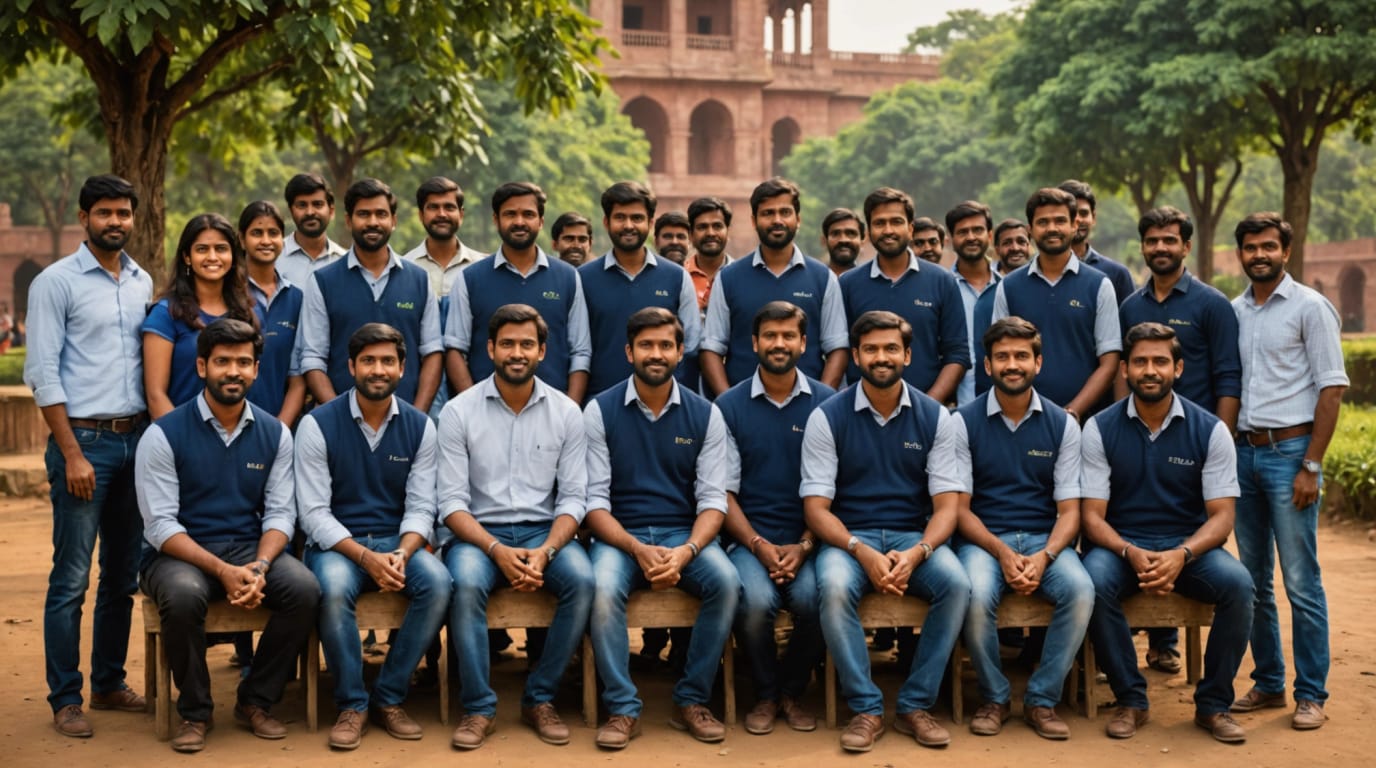
India's prestigious technology universities, including the Indian Institutes of Technology (IITs) and National Institutes of Technology (NITs), are grappling with persistent allegations of caste-based discrimination, despite constitutional protections and affirmative action policies designed to ensure equal opportunity. These allegations, ranging from subtle biases in grading and social interactions to overt exclusion during campus placements, raise questions about the effectiveness of current measures and the deep-seated nature of caste prejudice within these institutions.
Systemic Discrimination and Exclusion
Dalit students, who are situated at the lowest tier of Hinduism's caste hierarchy and face historical marginalization, along with students from Other Backward Classes (OBC) and Scheduled Tribes (ST), often encounter discrimination, harassment, and violence in Indian academia. Instances of intimidation, social exclusion, and even physical assaults remain prevalent on campuses. Caste discrimination has also been linked to numerous student suicides in the country.
In one instance, Shubham Kumar, a Dalit student at NIT Patna, alleged caste-based discrimination, unfair disciplinary actions, and corruption after he exposed mismanagement within the institution. His experience reflects broader issues of caste-based discrimination in India's higher education system, where institutional apathy and entrenched biases often undermine safeguards designed to protect marginalized students.
Placement Discrimination and Data Collection
The National Commission for Scheduled Castes (NCSC) recently issued notices to IIT-Delhi and IIT-Bombay, along with the Ministry of Education, seeking action-taken reports on allegations of caste discrimination in campus placement processes. The complaint, filed by education activist and IIT-Bombay alumnus Dheeraj Singh, alleges systemic bias against Scheduled Caste (SC) students.
Singh's complaint highlighted discriminatory practices that allegedly affected over 300 SC students during the 2023-24 placement cycle. He alleged that placement forms at both IITs required students to disclose their caste category and Joint Entrance Examination (JEE) ranks—details that can reveal their socioeconomic background. Screenshots of these forms were submitted as evidence.
Following these allegations, IIT Bombay stopped collecting students' caste details in response to discrimination allegations. The institute previously shared this data with PSUs for verification during recruitment processes, but this practice ended in 2024. Singh, however, expressed concerns that private sector recruiters might still ask for JEE category ranks during interviews, potentially leading to unfair judgment based on caste despite comparable academic records.
The Rohith Vemula Act and Calls for Criminalization
The suicide of Rohith Vemula, a Dalit PhD scholar at the University of Hyderabad, in 2016 sparked nationwide protests and demands for a law called the Rohith Vemula Act to address caste discrimination in educational institutions. There have been demands for the University Grants Commission (UGC) to enact a law that makes caste discrimination in educational institutions a criminal offense, as they did for ragging and sexual harassment.
Affirmative Action and its Limitations
While India has a long history of affirmative action policies, including reservation of seats in educational institutions for SC, ST, and OBC students, these measures have not fully eliminated caste bias. Some argue that the implementation of reservation policies has led to increased representation of marginalized ethnic groups, fostering inclusivity and diversity. However, others point out that caste-based targeting may exclude other disadvantaged groups and that affirmative action alone is not sufficient to address the deep-rooted prejudices within these institutions.
Addressing the Root Causes
Countering casteism in Indian educational institutions requires more institutional mechanisms, laws, and policies to foster diversity and enrich the campus climate. Some experts suggest that caste discrimination should be made a criminal offense in educational institutes, similar to laws against ragging. Others emphasize the need for a shift in mindset and a greater emphasis on empathy and social integration.
The UGC has notified the UGC (Promotion of Equity in Higher Education Institutions) Regulations, 2025. Discrimination is defined as “any unfair, differential, or biased treatment or any such act”. The 2012 regulations, on the other hand, had included the words, “limitation or preference”. This is important because casteist preference in HEIs often manifests in the form of anti-reservation sentiments that can affect students' scores and limit their opportunities. The new regulations also propose to set up Equity Committees under the Equal Opportunity Centres as the first authority to examine complaints of discrimination.
Conclusion
Despite constitutional guarantees and affirmative action policies, caste bias remains a significant challenge in India's top tech universities. Systemic discrimination, exclusion during placements, and subtle prejudices continue to affect students from marginalized communities. Addressing this issue requires a multi-pronged approach that includes stricter laws, greater awareness, and a fundamental shift in attitudes to create a truly inclusive and equitable environment for all students.


