Chad Intensifies Border Control as Sudan Conflict Threatens Regional Stability

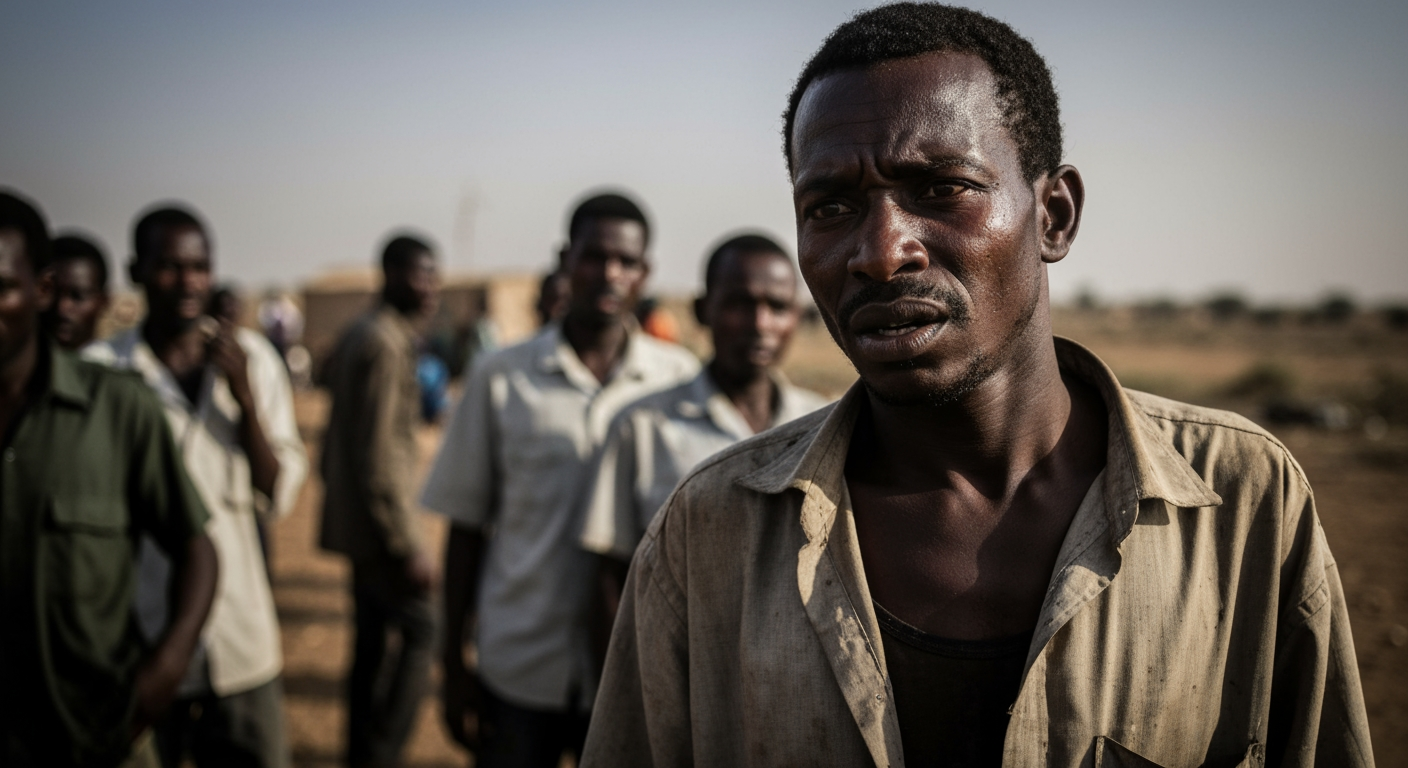
N'DJAMENA, Chad – Chad has significantly heightened its efforts to insulate itself from the escalating conflict in neighboring Sudan, recently announcing the indefinite closure of its extensive border. This decisive move comes after a series of direct incursions and a growing humanitarian crisis have tested Chad's resolve and regional stability. The closure, enacted on February 23, 2026, marks a critical juncture as N'Djamena navigates the volatile spillover from a war that has ravaged Sudan for nearly three years.
The decision to shutter the 1,400-kilometer eastern border follows intense fighting in the Sudanese border town of Tine, or Tina, where forces from Sudan's paramilitary Rapid Support Forces (RSF) reportedly clashed with the Sudanese Armed Forces (SAF). Chadian officials reported that this cross-border violence resulted in the deaths of five Chadian soldiers and three civilians, with 12 others wounded. Government spokesperson Gassim Cherif Mahamat underscored the gravity of the situation, stating the closure aims to "prevent any risk of the conflict spreading to our soil, to protect our citizens and refugee populations, and to guarantee the stability and territorial integrity of our country." This action, while designed to protect national interests, also creates additional complexities for the already dire humanitarian situation.
A Historic Relationship Under Strain
The relationship between Chad and Sudan has long been characterized by a complex interplay of shared borders, ethnic ties, and intermittent regional rivalries. Chad has historically played a mediating role in previous iterations of the Darfur conflict, even suspending and resuming these efforts at various times. However, the current conflict, which erupted in April 2023 between the SAF and the RSF, has presented an unprecedented challenge, forcing N'Djamena to re-evaluate its posture.
Chad's stated position throughout the conflict has been one of strict neutrality, with officials emphasizing that the nation is "not a party to any camp in this conflict and will not tolerate a purely Sudanese circumstance being exported onto its soil." Yet, the porous border has made maintaining this neutrality an arduous task. Reports indicate that the RSF allegedly conducted illegal crossings into eastern Chad in January, leading to the deaths of seven Chadian soldiers and significant material damage. Additionally, the Chadian government has condemned multiple violations of its airspace by the Sudanese Armed Forces, further highlighting the fragility of the border region. These incidents underscore the increasing difficulty Chad faces in remaining an impartial observer as the conflict intensifies along its eastern flank.
Overwhelmed by a Human Deluge
Beyond military incursions, the most profound impact of Sudan's war on Chad has been the overwhelming influx of refugees. Since April 2023, hundreds of thousands of Sudanese have sought refuge in Chad, creating one of the world's largest displacement crises. As of late 2025 and early 2026, estimates suggest Chad hosts nearly one million Sudanese refugees, with some reports citing over 720,000 new arrivals and 220,000 Chadian returnees since the war's onset, bringing the total number of displaced persons in Chad to over 1.2 million.
This massive influx has placed immense strain on Chad's already impoverished eastern provinces, particularly Ouaddaï, where the population has increased by an estimated 60 percent in two years. The town of Adré, a primary entry point for Sudanese refugees, has seen its population swell from approximately 20,000 before the war to over 250,000, leading to significant challenges such as soaring prices and rising unemployment. The humanitarian situation is critical, with women and children constituting the majority of new arrivals, many suffering from acute malnutrition. Chad declared a state of emergency for a food and nutrition crisis in 2024, yet international funding for humanitarian aid continues to fall short of the tremendous needs.
The sheer scale of human suffering has also fueled social tensions. Worsening living conditions have led to instances of xenophobia among local populations, who sometimes attribute rising prices and crime to the presence of Sudanese refugees. Competition for scarce resources like firewood and water has intensified, with disputes occasionally flaring between newcomers and host communities.
Implications for Regional Stability and Illicit Economies
The spillover of the Sudanese conflict into Chad carries significant implications for regional stability. The repeated cross-border incidents, coupled with the immense humanitarian burden, threaten to destabilize Chad's internal security and governance structures. While Chad's recent border closure is a defensive measure, it also poses humanitarian dilemmas, potentially making it harder for desperate individuals to seek safety and for aid to reach war-torn Sudan, where famine rates have skyrocketed.
Moreover, the conflict has inadvertently fostered a burgeoning illicit economy in Chad's Ouaddaï region. Traffickers are reportedly selling goods and supplies looted from Sudan, including cars at a fraction of their original cost. Fuel smuggling has also become a lucrative enterprise, with RSF members allegedly transporting supplies from Libya through Chad via tanker trucks, with some of the fuel subsequently sold locally in eastern Chad. This proliferation of illicit activities further complicates Chad's security landscape and poses long-term challenges to its economic stability.
Historically, the intricate ethnic dynamics, particularly involving the Zaghawa community across the Chad-Sudan border, have also played a role. While Chad officially maintains neutrality, some reports suggest historical ties where Sudanese Zaghawa, who were part of the Chadian military and security apparatus, previously assisted their kin in Darfur. Allegations from Darfur rebel groups also suggest that a significant portion of RSF forces originate from Chad, and some Chadian Arabs have shown sympathy for the RSF, seeking employment within its ranks. These complex cross-border connections add layers of difficulty to Chad's declared neutral stance.
Conclusion: A Nation on Edge
Chad's decision to close its border with Sudan represents a drastic measure by a nation increasingly grappling with the direct consequences of its neighbor's protracted war. From managing an overwhelming refugee crisis to confronting direct military incursions, Chad finds itself at a precarious crossroads. While the government asserts its commitment to protecting its citizens and territorial integrity through increased border security and diplomatic neutrality, the deep-seated humanitarian crisis, the emergence of illicit economies, and the intricate cross-border ethnic dynamics ensure that Chad's involvement in the Sudanese conflict, albeit reluctantly, is becoming more profound. The long-term stability of Chad, and indeed the wider Sahel region, hinges on a sustainable resolution to the conflict in Sudan and robust international support to address the severe humanitarian fallout.
Related Articles

DR Congo Embraces New Peace Roadmap Amidst Lingering Conflict and Cautious Optimism
GENEVA, Switzerland – The Democratic Republic of Congo (DRC) and the M23 armed group have forged a new roadmap for peace talks, raising cautious hopes that a protracted and devastating conflict, which has displaced...


Iran's Protests: A Nation's Cry Met with 'Shooting to Kill' Response
The streets of Iran have, for years, echoed with the cries for freedom and justice, yet these pleas have been met with a brutal and often lethal response from the state's security apparatus. Accounts from victims and...

Rohingya's Long Road Home: A Crisis of Citizenship, Safety, and Stalled Repatriation
COX'S BAZAR, BANGLADESH – Nearly a decade after the most significant exodus of Rohingya Muslims from Myanmar, over one million refugees remain stranded in sprawling, overcrowded camps in Bangladesh, their hopes for a...