Chile's Pivotal Election: A Nation Embraces Change Amidst Deep Divisions
SANTIAGO, Chile – In a historic and deeply polarizing presidential runoff election in December 2021, Chileans delivered a resounding mandate for change, electing Gabriel Boric, a former student activist, as their youngest-ever president. The contest pitted Boric, a left-wing lawmaker promising sweeping social reforms, against José Antonio Kast, a far-right conservative advocating for law and order and traditional values. The election culminated a period of intense social upheaval and marked a significant departure from the centrist politics that had largely governed Chile since its return to democracy, ushering in an era defined by a clash of starkly contrasting visions for the nation's future.
A Nation Divided: The First Round's Unexpected Outcome
The path to the runoff began with the first-round general election on November 21, 2021, where the political landscape was dramatically reshaped. Traditional centrist parties, which had dominated Chilean politics for decades, saw their influence wane significantly. Instead, voters gravitated towards two candidates from the political extremes: José Antonio Kast of the Republican Party and Gabriel Boric of the Apruebo Dignidad coalition. Kast, campaigning on a platform of public order and conservative social values, secured a narrow lead with 27.9% of the vote, surprising many observers. Boric, an emerging figure from the 2011 student protests, followed closely with 25.8%. This initial outcome signaled a profound shift in voter sentiment, reflecting widespread discontent with the status quo and a strong desire for fundamental change, intensified by the 2019 anti-inequality protests and the ongoing constitutional redrafting process.
Clash of Ideologies: The Candidates and Their Platforms
The runoff campaign presented Chileans with a stark choice between two diametrically opposed ideologies. Gabriel Boric, at 35 years old, represented a progressive agenda rooted in social justice and a commitment to dismantling the remnants of the country's neoliberal economic model, a legacy of the Pinochet dictatorship. His platform included broadening the social safety net, increasing taxes on the wealthy and large corporations (particularly in mining), combating climate change, advocating for LGBTQ+ and women's rights, and overhauling the privatized pension system. Boric also strongly supported the ongoing process of drafting a new constitution, which aimed to replace the one inherited from the military regime.
In contrast, José Antonio Kast, 55, positioned himself as a staunch defender of order, security, and free-market principles. A lawyer and former congressman, Kast's campaign resonated with fears over rising crime and unregulated immigration, proposing stricter law enforcement, government downsizing, and tax cuts to stimulate investment. He openly admired figures like Donald Trump and Jair Bolsonaro and had a history of defending the Pinochet dictatorship's economic legacy, emphasizing Christian conservative values and a strong stance on "law and order". His brother, Miguel Kast, was a top adviser to General Augusto Pinochet. Kast's proposals included building a wall along Chile's borders and implementing strict measures against undocumented migrants. This ideological chasm led to one of Chile's most contentious and emotionally charged election campaigns in recent memory.
The Runoff Battle and Historic Turnout
The four weeks between the first and second rounds were marked by intense campaigning as both candidates sought to expand their appeal beyond their core bases. Boric, initially trailing Kast, successfully moderated some aspects of his discourse, reaching out to centrist voters and addressing concerns about economic stability. Kast, meanwhile, continued to emphasize security and anti-immigrant rhetoric, themes that had gained traction among a segment of the electorate.
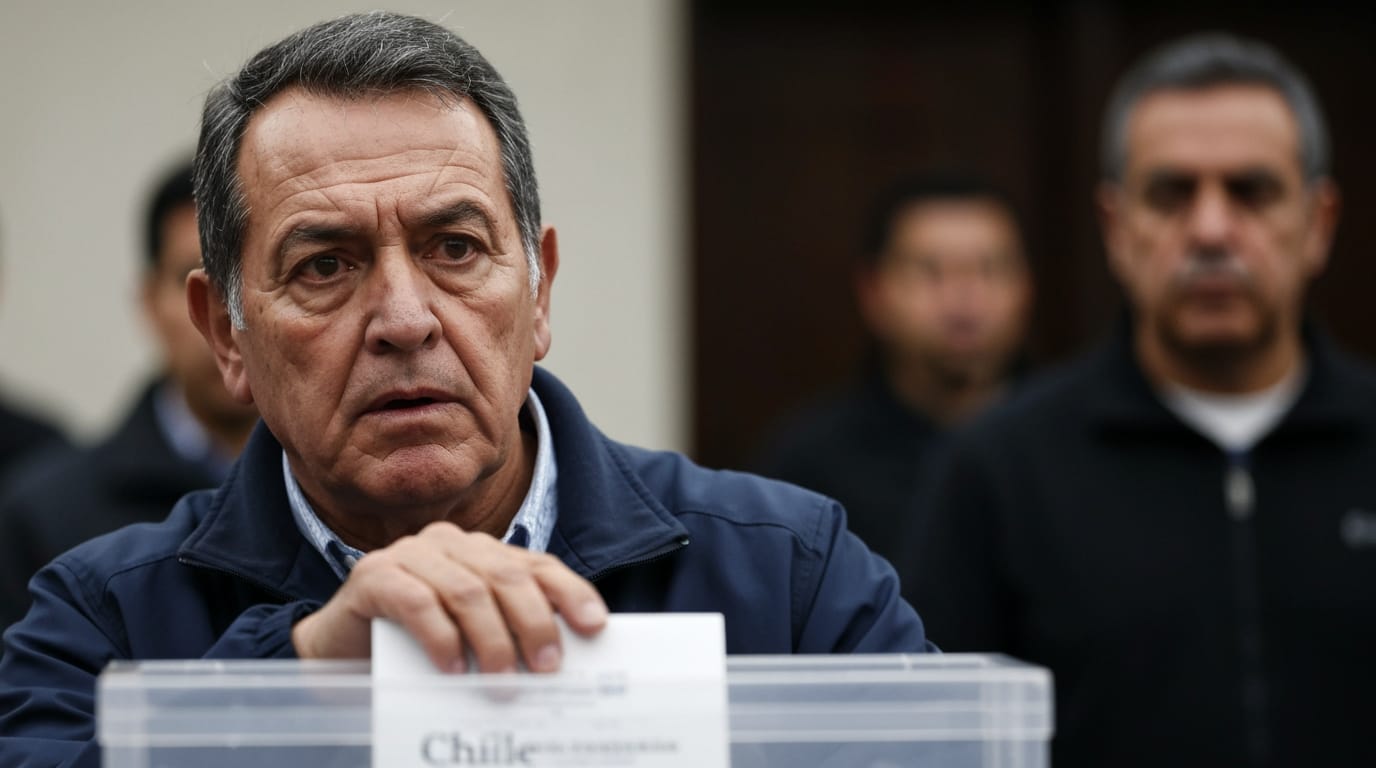
The runoff election on December 19, 2021, witnessed an unprecedented surge in voter participation. With a turnout of 55.64%, it was the highest since voting became voluntary in Chile in 2013, surpassing even the 2020 plebiscite for a new constitution. This increased engagement, particularly among younger voters who largely favored Boric, proved critical. Despite predictions of a tight race, Boric secured a decisive victory, winning with 55.87% of the valid votes, or 4,621,231 votes, the highest number ever received by a presidential candidate in Chilean history. Kast conceded defeat swiftly, tweeting a photo of himself with Boric and congratulating him on his "grand triumph," a gesture that offered a moment of civility amidst the polarized rhetoric.
Implications of a New Era
Gabriel Boric's victory on December 19, 2021, heralded a new chapter for Chile. As the youngest president in the country's history, sworn in on March 11, 2022, Boric's presidency represented a definitive break from the political and economic models that had dominated since the Pinochet era. His administration pledged to tackle deep-seated inequality, reform the public healthcare and education systems, address climate change, and implement a progressive taxation system.
A central element of Boric's vision was the constitutional reform process, a direct outcome of the 2019 social uprisings. While Boric strongly supported a new, more progressive constitution, the initial draft was ultimately rejected in a national plebiscite in September 2022, indicating the ongoing complexities and divisions within Chilean society regarding the extent and pace of change. This rejection highlighted the challenges Boric would face in implementing his ambitious agenda, especially given a fragmented Congress where his coalition did not hold a working majority. His government would need to seek dialogue and compromise to advance its legislative program.
Conclusion
The 2021 Chilean presidential runoff election was more than just a contest for the nation's highest office; it was a referendum on Chile's future direction. The election of Gabriel Boric, a leader from the left-wing, student-protest movement, over the far-right José Antonio Kast, underscored a powerful desire among a significant portion of the electorate to move beyond the neoliberal legacy of the past and address pressing social and economic inequalities. While the subsequent years have shown the intricate realities of governing and implementing radical change within a diverse political landscape, the election itself marked a watershed moment, demonstrating Chile's willingness to embrace a new path and confront its historical divisions. It reflected a society grappling with its identity, seeking both progress and stability in a rapidly evolving world.