China Accelerates Domination Beyond German Car Industry
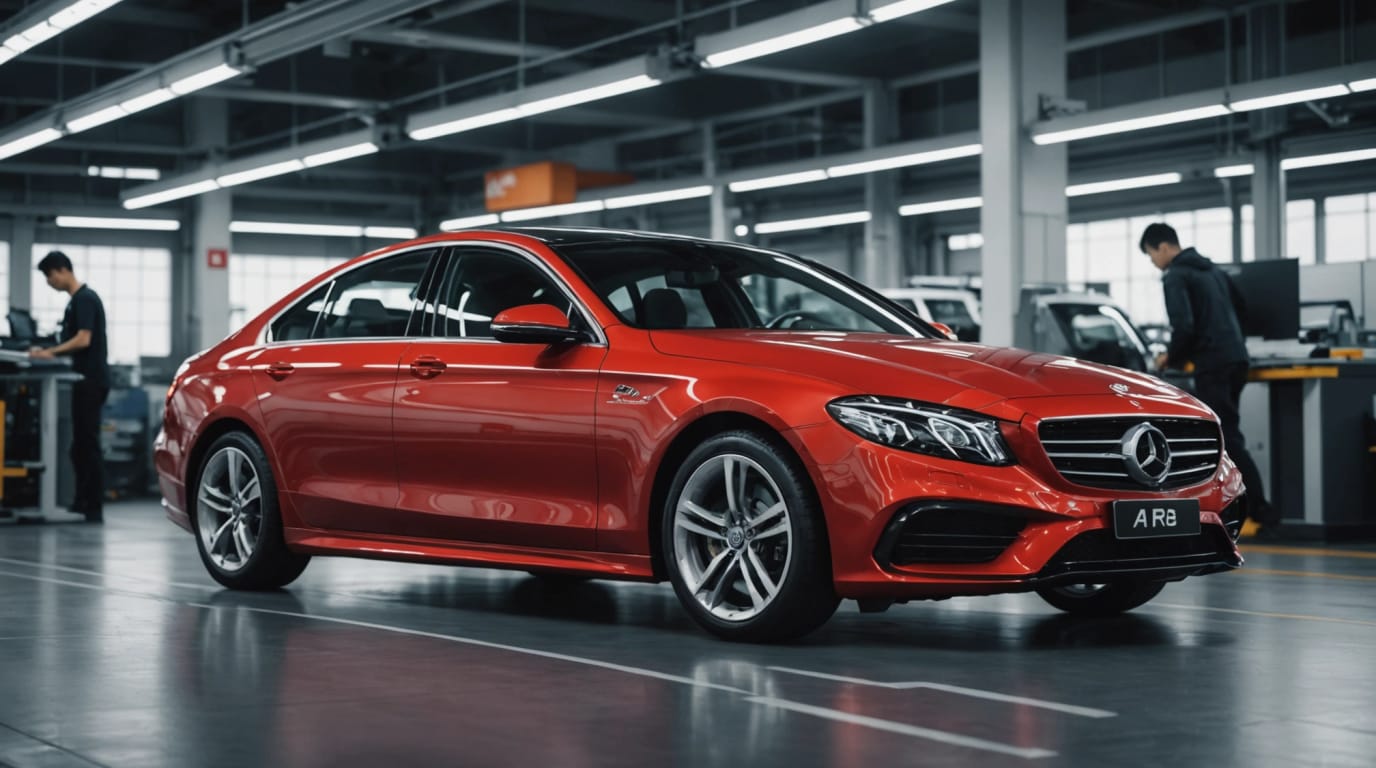
China's economic influence is rapidly expanding beyond its well-established manufacturing prowess, posing a significant challenge to established industries worldwide, most notably the German automotive sector. While Germany has long been synonymous with automotive excellence, China's strategic investments, technological advancements, and aggressive export policies are reshaping the global competitive landscape.
The Rise of China's Automotive Industry
China's automotive industry has experienced a meteoric rise in recent years, transforming from a primarily domestic market to a global export powerhouse. In 2023, China surpassed Japan to become the world's largest exporter of vehicles. This milestone underscores the country's growing dominance in automotive production and sales. Since 2009, China has been the world's largest market for automobile production and sales. New Energy Vehicles (NEVs) now account for more than one-third of all vehicles sold in China, with Chinese companies holding an impressive 80% market share in this segment. Chinese brands now hold 63% of domestic passenger vehicle sales, a significant increase of 27% since 2020. This rapid growth is fueled by several factors, including government support, technological innovation, and a focus on electric vehicles (EVs).
Electric Vehicle Revolution
China's dominance in the EV sector is particularly noteworthy. In 2024, battery electric vehicles (BEVs) accounted for 27% of the automobile market share in China, compared to 13% in the European Union and 8% in the United States. This disparity highlights China's proactive approach to EV adoption, driven by industrial policies that support startup automakers and offer direct consumer incentives. China accounts for 76% of global EV battery production. The country has also set ambitious targets for EV market share, aiming for 45% by 2027, an increase from the originally planned 40% by 2030. This commitment to electric mobility is transforming China into a global leader in EV technology and manufacturing.
Impact on German Automakers
The rise of China's automotive industry presents a formidable challenge to German automakers, who have long enjoyed a reputation for quality and innovation. German Chancellor Olaf Scholz has urged German automakers to embrace competition from Chinese rivals, acknowledging China's advancements in electric motor technology. However, German brands are facing increasing competition from local marques in China, with consumers opting for Chinese brands like Nio, Li Auto, and BYD. This shift in consumer preference is impacting the sales of German automakers in China. In 2024, BMW's sales fell by 13%, Mercedes-Benz dropped by 7%, and Volkswagen declined by 10% in China. Despite these challenges, German automakers are adapting by partnering with Chinese technology companies and developing new models tailored to tech-savvy Chinese consumers.
Broader Economic Implications
China's growing economic influence extends beyond the automotive sector, impacting various industries and global markets. China accounts for more than 18% of global GDP. The country is the top trading partner for eight of the world's ten largest economies and the leading import market for six of them. China's manufacturing dominance is evident in its role as the world's largest manufacturer, accounting for nearly 30% of global manufacturing output. The country is also the largest exporter of goods globally, with sectors like electronics, textiles, machinery, and steel driving its production capacity. China's competitive clean energy sectors, such as electric vehicles and batteries, continue to challenge Western industries.
Strategies for Competition
To compete with China's growing economic influence, countries and companies need to adopt proactive strategies. These include:
- Investing in Innovation: Focusing on technological advancements and developing innovative products and services.
- Diversifying Supply Chains: Reducing reliance on China by diversifying supply chains and exploring alternative sourcing options.
- Strengthening Domestic Industries: Supporting domestic industries through government policies and investments.
- Promoting Fair Trade Practices: Advocating for fair trade practices and addressing unfair trade practices, such as subsidies and intellectual property theft.
- Fostering International Cooperation: Collaborating with other countries to address shared challenges and promote a level playing field.
Conclusion
China's rise as a global economic power is undeniable, and its impact on industries like the German automotive sector is significant. While challenges exist, they also present opportunities for innovation, adaptation, and collaboration. By embracing competition, investing in innovation, and promoting fair trade practices, countries and companies can navigate the changing global landscape and thrive in an increasingly competitive world. The future of the global economy will depend on how effectively these challenges are addressed and how well countries and companies adapt to the new realities of a multipolar world.