China Navigates Delicate Path as Iran-Israel Tensions Escalate
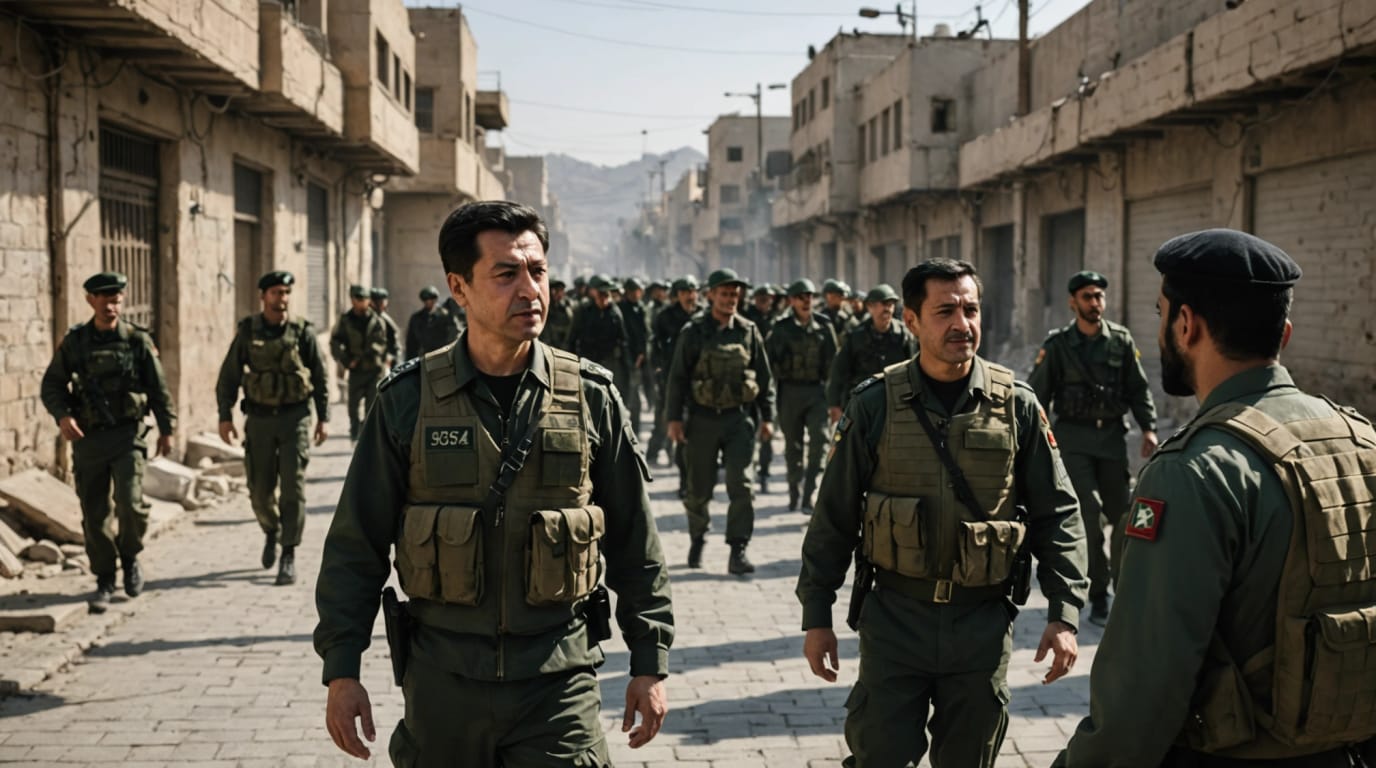
BEIJING — As the conflict between Israel and Iran intensifies, China finds itself in a precarious position, balancing its economic interests, strategic partnerships, and its ambition to play a larger role in global diplomacy. While publicly calling for de-escalation and condemning actions that infringe upon national sovereignty, China's response reveals a complex calculus driven by its energy dependence, strategic ties with Iran, and geopolitical rivalry with the United States.
Economic and Strategic Interests at Stake
China's involvement in the Middle East is multifaceted, encompassing economic aid, investment, diplomatic engagement, defense supplies, and military cooperation. The region holds strategic importance for China due to its energy resources and its location along key trade routes. China is the largest consumer of Middle Eastern oil, with Iran being a significant supplier. In 2023, China purchased an average of 700,000 barrels of oil daily from Iran, delivered via a network of tankers that circumvent Western sanctions. This reliance on Iranian oil makes China particularly sensitive to any disruptions in the region.
Beyond energy, China has also made substantial investments in infrastructure projects across the Middle East as part of its Belt and Road Initiative. These projects include ports, railways, and other infrastructure that are crucial for China's trade and economic expansion. A wider conflict between Israel and Iran could jeopardize these investments and undermine China's economic interests in the region.
Balancing Act: Relations with Iran and Israel
China maintains a delicate balance in its relations with both Iran and Israel. It has steadily expanded economic cooperation with Iran over the past two decades, signing a 25-year cooperation agreement in 2021 that pledges $400 billion in investment in exchange for heavily discounted oil. This partnership has strengthened Iran's position in the face of Western sanctions and has reinforced its role as a key player in China's regional strategy.
At the same time, China has also cultivated a growing technology and investment relationship with Israel. The two countries have deepened cooperation in high-tech sectors such as artificial intelligence, water technology, and agriculture. Chinese firms have invested in Israeli start-ups and infrastructure projects, including the management of Haifa Port. This economic partnership is strategically important to China.
The escalating conflict between Israel and Iran puts China in a difficult diplomatic position, forcing it to navigate between two partners now locked in open hostility.
China's Response to the Escalation
In response to the recent escalation, China has adopted a multi-pronged approach. Chinese President Xi Jinping has called for calm and has stated that China is ready to play a "constructive role" in restoring peace in the Middle East. Chinese Foreign Minister Wang Yi has held phone calls with his Israeli and Iranian counterparts, condemning Israel's attacks on Iran and urging a return to diplomacy.
China's Foreign Ministry has also issued statements criticizing Israel's actions as a violation of Iran's sovereignty, security, and territorial integrity. China has consistently taken a pro-Iran stance, declaring that Tehran is not an instigator of regional instability. However, China has not offered any material aid or mediation plan, underscoring the limits of its ability to shape the crisis.
Limited Influence and Strategic Challenges
Despite its growing economic and diplomatic presence in the Middle East, China's influence over the key players, particularly Israel, remains limited. Analysts say that China's stance on the Israel-Palestinian conflict since October 7, 2023, has further strained its relations with Israel.
Some experts believe that China's primary motivation in the Middle East is to shield its national interests, including its energy supplies and regional investments. They argue that China is unlikely to risk wading into the conflict to tilt the balance in Iran's favor, as doing so would escalate tensions with the United States and undermine its position as a neutral actor.
China's Broader Middle East Strategy
China's approach to the Middle East is guided by several key principles: impartiality, non-interference in other countries' internal affairs, and a focus on economic cooperation. China seeks to build relationships with all countries in the region, regardless of their political systems or their relations with other powers.
China has also been actively involved in conflict mediation efforts in the Middle East, including mediating a reconciliation between Saudi Arabia and Iran in 2023 and brokering a Palestinian unity deal in 2024. These efforts are aimed at positioning China as a sought-after mediator and enhancing its influence in the region.
However, China's ability to play a meaningful role in resolving the Iran-Israel conflict is limited by its lack of influence over Israel and its close ties with Iran. Some analysts argue that China's support for Iran undermines its credibility as a neutral mediator.
Implications for the United States
China's growing presence in the Middle East poses a challenge to the United States, which has long been the dominant power in the region. China's economic and diplomatic influence is increasing, while the United States' influence is waning.
China's engagement in the Middle East is driven by its strategic rivalry with the United States. China seeks to displace the United States' regional dominance by facilitating the creation of a new security structure in the Middle East, in which China could play a more significant role.
The United States must adapt to the changing geopolitical landscape in the Middle East and develop a strategy for managing China's growing influence. This strategy should include strengthening partnerships with key allies in the region, promoting economic development, and working to resolve regional conflicts.
Conclusion
As the conflict between Israel and Iran continues to unfold, China faces a complex set of challenges and opportunities. While China has no appetite to be directly involved, it will likely continue to play a diplomatic role, calling for de-escalation and urging a return to negotiations. However, its limited influence over the key players and its strategic alignment with Iran will constrain its ability to shape the outcome of the conflict. The situation highlights the complexities facing China as it seeks to balance its economic interests, strategic partnerships, and its ambition to play a larger role in global affairs.


