Digital Erasure: Instagram Accounts Fueling Holocaust Trivialization Spark Global Concern
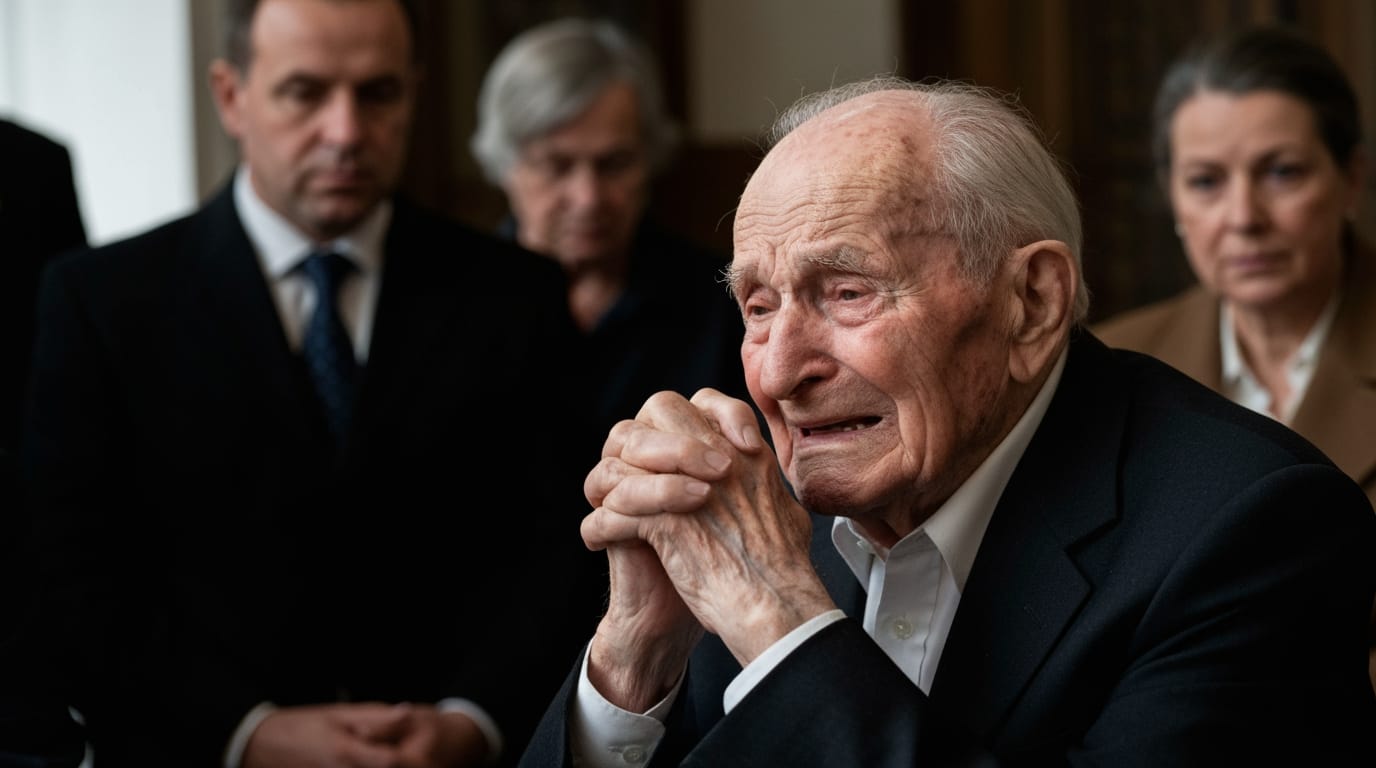
The hallowed memory of the Holocaust faces a new and insidious threat in the digital age: a proliferation of content across social media platforms, particularly Instagram, that trivializes its horrors and distorts its historical reality. This concerning trend, ranging from misguided attempts at engagement to overt antisemitic propaganda, undermines educational efforts and deeply wounds survivors and their descendants, raising urgent questions about digital responsibility and the preservation of historical truth.
The act of trivializing the Holocaust involves applying its unique language, imagery, or historical context to unrelated events, thereby diminishing the scale and severity of the atrocities committed by Nazi Germany. This phenomenon is not new, but its amplification and normalization on platforms like Instagram have become a significant concern for Holocaust remembrance organizations worldwide. The sheer volume and diverse forms of trivialization pose a formidable challenge to accurate historical understanding, particularly among younger generations who increasingly access information through these digital channels.
The Manifestations of Digital Distortion
Holocaust trivialization on social media takes multiple forms, often blurring the lines between ignorance, insensitivity, and deliberate malice. One notable instance involved a "Holocaustchallenge" on TikTok, where teenagers dressed in "Holocaust-themed" attire, attempting to depict the experiences of victims, a trend that was subsequently banned by the platform. While some of these acts may stem from a misguided desire to raise awareness, they frequently result in a profound misrepresentation of history, reducing unimaginable suffering to a superficial or aestheticized trend.
Beyond such challenges, trivialization commonly appears through inappropriate comparisons. During the COVID-19 pandemic, for example, protestors likened public health restrictions to the persecution faced by Jews under Nazism, donning yellow Stars of David with "unvaccinated" in place of "Jude" (Jew), and even performing Nazi salutes. Similarly, historical events like Kristallnacht have been invoked in environmental defense, and some activists have controversially termed climate change an "environmental holocaust.". These comparisons, while often intended to dramatize a cause, fundamentally distort the unique, systematic, and genocidal nature of the Holocaust, reducing it to a mere rhetorical device. Furthermore, some anti-Israel activists have drawn inflammatory parallels between modern-day Israel and Nazi Germany or Gaza and Auschwitz, which critics identify as clear instances of Holocaust trivialization and antisemitism.
The Profound Impact on Memory and Identity
The consequences of this digital trivialization are far-reaching and deeply troubling. At its core, it erodes accurate historical understanding, especially among younger audiences who may lack comprehensive Holocaust education. Studies indicate that a significant percentage of younger generations in the U.S. lack basic knowledge about the Holocaust, including the number of victims or even the names of concentration camps. When confronted with trivialized narratives online, this knowledge gap can lead to further confusion or acceptance of distorted information.
Moreover, trivialization inflicts immense pain upon Holocaust survivors and their families. Victim organizations describe such content as an "attack on the dignity of the survivors," who are still grappling with the trauma of their experiences. Holocaust survivor and memoirist Elie Wiesel expressed profound sadness over the trivialization of the term itself, noting its use for unrelated mishaps. The constant exposure to content that diminishes their suffering is a constant re-traumatization.
Critically, trivialization also serves as a gateway to more extreme forms of Holocaust denial and distortion. By normalizing narratives that belittle victim suffering, it creates fertile ground for antisemitic conspiracies and extremist ideologies to flourish. A 2022 report by UNESCO, the United Nations, and the World Jewish Congress found that 16.2 percent of Holocaust-related content on major social media platforms either denied or distorted fundamental facts, with some extreme cases even glorifying the Holocaust and promoting genocidal ideologies through humor and coded memes.
Social Media Platforms: Enablers and Gatekeepers
Social media platforms, including Instagram, play a dual role in this escalating issue. While they serve as vital channels for connection and information, their algorithms and content moderation policies significantly influence the spread of distorted content. A recent report revealed that Instagram's algorithm has actively promoted accounts selling extremist and antisemitic merchandise, generating substantial views and revenue. This suggests that weakened content moderation policies can lead to a drastic increase in the visibility of hate speech and Holocaust denial.
Meta's Oversight Board has expressed "concerns" regarding the company's effectiveness in removing Holocaust denial content, noting "gaps" in enforcement where users employ evasive tactics like replacing vowels in words or using implicit narratives in memes. Despite community guidelines that prohibit hate speech and incitement to violence, the challenge of consistently identifying and removing all forms of Holocaust trivialization and denial remains substantial.
Countering Distortion: The Battle for Truth Online
In response to the alarming rise of Holocaust trivialization, educational institutions and remembrance organizations are actively engaging on social media platforms to safeguard historical accuracy. Organizations like the United States Holocaust Memorial Museum (USHMM) leverage robust social media presences to provide accurate information and engage audiences, particularly young people, with the history and relevance of the Holocaust. These efforts aim to counteract misinformation and denial by meeting audiences "where they are" and offering compelling, fact-based content.
Innovative projects, such as "Eva Stories" on Instagram, which recreated the diary of a young Holocaust victim, Eva Heyman, in a social media format, have garnered millions of views and brought the tragedy to new audiences. While such initiatives have faced some criticism for potential trivialization, they also demonstrate the potential for social media to be a powerful tool for education and remembrance when handled with sensitivity and historical integrity. Holocaust survivors themselves are also directly confronting denial and trivialization online, sharing their testimonies to debunk false narratives and emphasize the reality of their experiences.
Experts and educators advocate for a hybrid approach that integrates digital tools with human storytelling and scholarly oversight to ensure responsible Holocaust education. They also call for social media platforms to implement stronger content moderation, fact-checking labels, and redirect users encountering questionable Holocaust-related content to authoritative sources.
An Ongoing Vigilance
The battle against the trivialization of the Holocaust on Instagram and other social media platforms is a critical front in the ongoing fight for historical truth and memory. As the number of Holocaust survivors dwindles, the responsibility to preserve their stories and the lessons of the past falls increasingly on digital stewards and engaged citizens. The prevalence of distorted content underscores the urgent need for continued education, robust platform accountability, and a collective commitment to ensuring that the unparalleled horrors of the Holocaust are never diminished, forgotten, or misused. The digital landscape demands a constant vigilance to protect historical integrity against the tide of misinformation and casual disregard.


