China Retaliates with 34% Tariffs as Trade War with U.S. Escalates
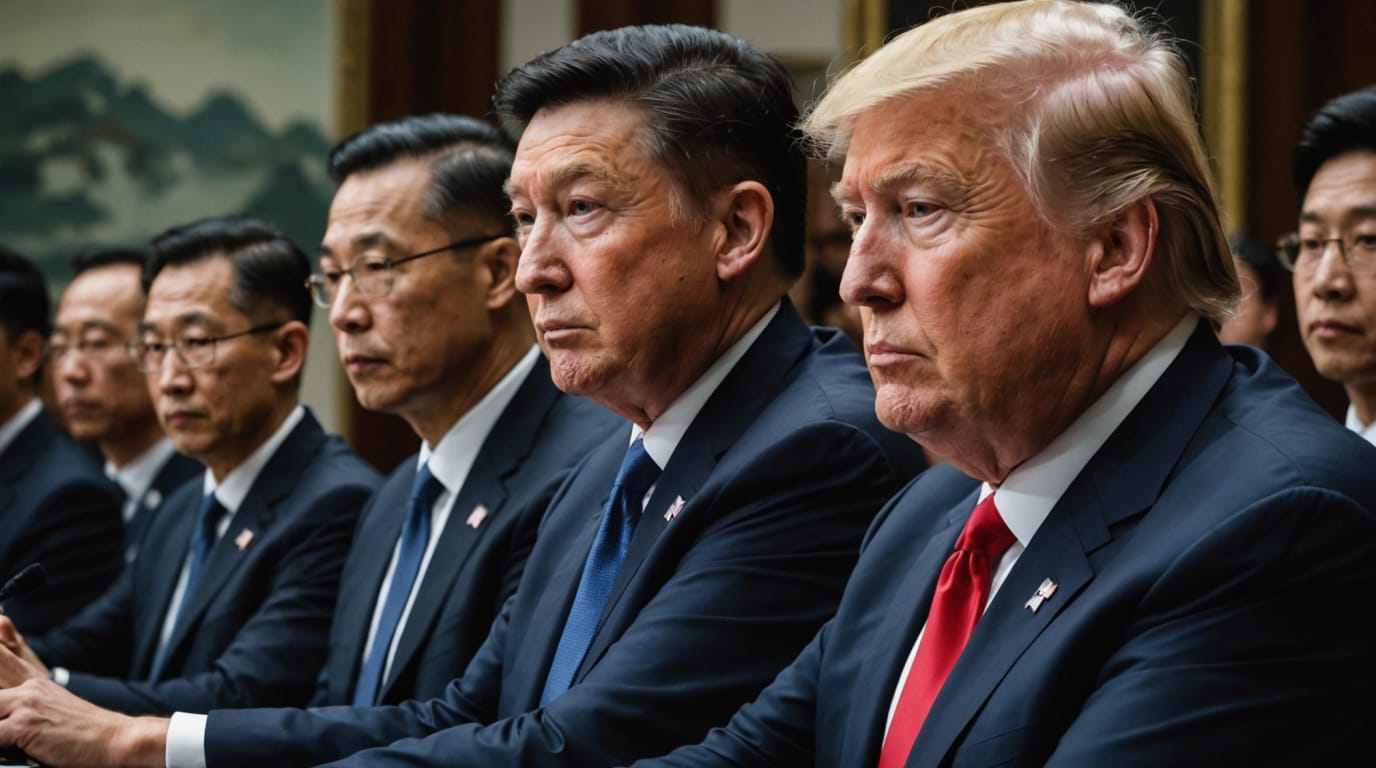
Beijing – In a swift response to newly imposed tariffs by the United States, China has announced retaliatory levies of 34% on a range of U.S. goods. The move marks a significant escalation in the ongoing trade dispute between the world's two largest economies, raising concerns about potential economic fallout and disruptions to global supply chains. The tariffs, which took effect this week, target key American exports, including agricultural products, automobiles, and other manufactured goods.
Tit-for-Tat Tariffs
The Chinese Commerce Ministry issued a statement condemning the U.S. tariffs as a violation of World Trade Organization (WTO) rules and a threat to the multilateral trading system. The ministry asserted that China was forced to take countermeasures to safeguard its legitimate rights and interests. This action follows President Trump's announcement of increased tariffs on Chinese imports, citing unfair trade practices and intellectual property theft. These tariffs include a blanket levy of 34% on imports from China, in addition to previously announced tariffs, bringing the total rate to over 60% on some goods. Trump has defended the tariffs as necessary to level the playing field and protect American jobs.
Impact on U.S. Agriculture
The retaliatory tariffs are expected to have a significant impact on American farmers, who have become increasingly reliant on the Chinese market for their exports. Soybeans, pork, beef, and other agricultural products are among the items targeted by the Chinese levies. This could lead to decreased demand for U.S. farm goods, lower prices, and financial hardship for agricultural communities. Some economists have warned that the tariffs could also disrupt global food supply chains and raise prices for consumers. The tariffs of 15% on key American farm products that China imposed earlier in March already punished U.S. markets.
Broader Economic Consequences
Beyond the agricultural sector, the trade war could have far-reaching consequences for the U.S. and global economies. Increased tariffs raise costs for businesses, which may pass those costs on to consumers in the form of higher prices. This could lead to inflation and decreased consumer spending, potentially slowing economic growth. Moreover, the uncertainty surrounding the trade dispute could discourage investment and disrupt supply chains, further dampening economic activity. Mark Zandi, chief economist at Moody's Analytics, warned that if the tariffs are maintained and other nations impose retaliatory tariffs, both the U.S. and other countries "will suffer serious recessions".
Global Reactions and Concerns
The escalating trade war has drawn criticism from other countries and international organizations, who fear the potential for global economic instability. Many nations, including Britain, Brazil and Egypt, were hit with the base-rate 10% tariffs. Some have called for the U.S. and China to engage in negotiations to resolve their differences and avoid further escalation. The WTO has also expressed concern about the trade dispute and urged both sides to adhere to international trade rules. The back-and-forth tariff threats and responding retaliation have created a sense of whiplash.
Future Outlook
The future of the trade war remains uncertain. While some analysts believe that a negotiated settlement is still possible, others warn that the dispute could escalate further, leading to a prolonged period of trade tensions and economic disruption. The outcome will likely depend on the willingness of both the U.S. and China to compromise and address each other's concerns. In the meantime, businesses and consumers around the world will continue to grapple with the consequences of the trade war, including higher prices, disrupted supply chains, and increased economic uncertainty.


