China's New 'Ethnic Unity' Law Fuels Fears of Forced Integration and Cultural Erosion
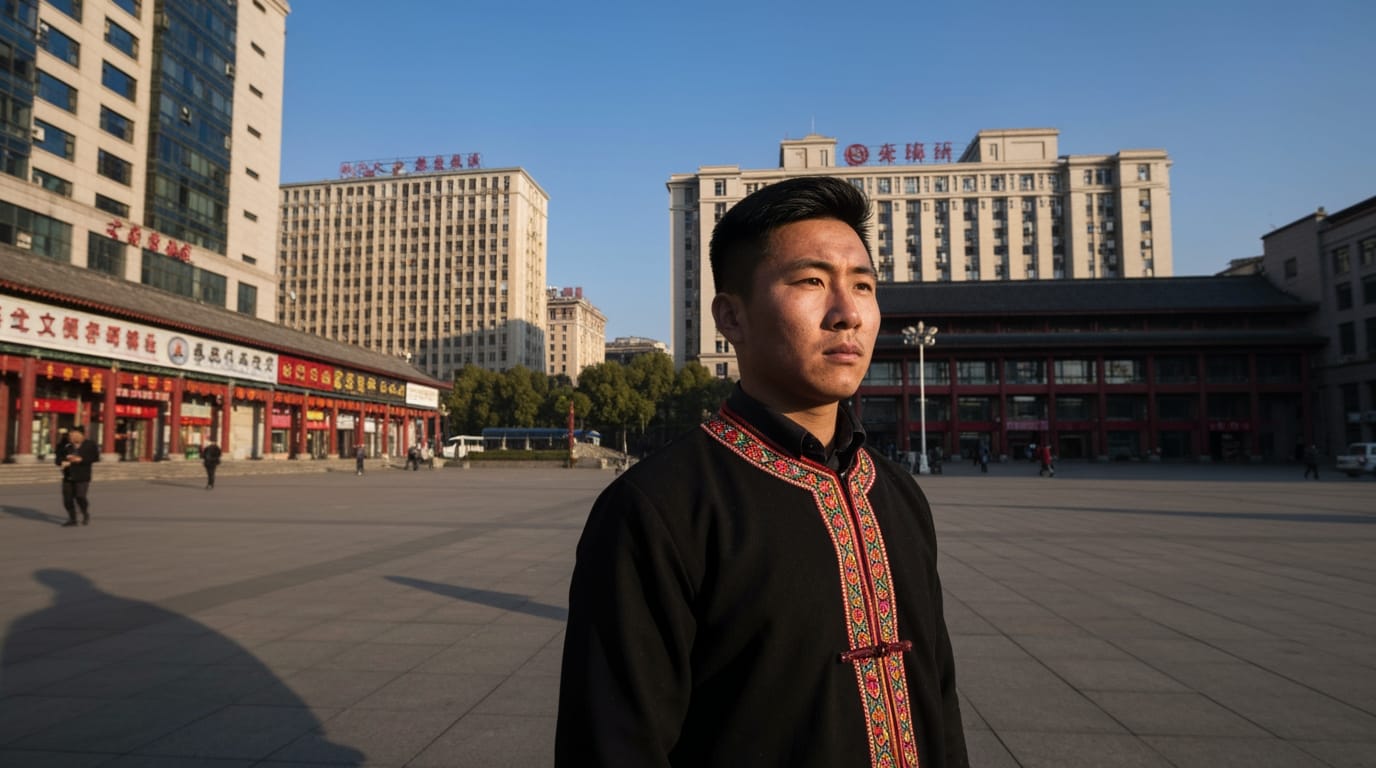
Beijing, China – China has enacted a sweeping "Law on Promoting Ethnic Unity and Progress," a legislative move that officially took effect on July 1, 2026, solidifying President Xi Jinping's vision for ethnic affairs. While Beijing asserts the law aims to foster national cohesion and shared prosperity, human rights organizations and international observers contend it provides a legal framework for accelerating the forced assimilation of minority groups, further eroding their distinct cultural, linguistic, and religious identities across the vast nation. Critics warn the new statute formalizes policies already implemented in regions like Xinjiang and Tibet, potentially leading to intensified repression under the guise of legal governance.
The Legal Framework for a "Common Consciousness"
The "Law on Promoting Ethnic Unity and Progress" was adopted by the National People's Congress (NPC) on March 12, 2026, following its submission as a draft in September 2025. Signed into law by President Xi Jinping, it codifies his strategic thinking on ethnic affairs, aiming to cultivate "a common consciousness of the Chinese nation." The 62-article law mandates that government bodies, schools, enterprises, and social organizations actively promote this concept, prioritizing Mandarin Chinese in education and public life. Article 15, for instance, requires preschool children to learn Mandarin and achieve basic mastery by the end of compulsory education, typically age 15. The law also promotes "inter-embedded community environments," encouraging policies to facilitate cross-regional population movement and integration in urban planning. Furthermore, it prohibits acts that "damage ethnic unity," an broadly defined term critics fear will be used to suppress dissent and cultural expression. The legislation also asserts extraterritorial jurisdiction, allowing prosecution of individuals or organizations outside China deemed to undermine ethnic unity.
Assimilation as the New Norm
This new law marks a significant shift from China's earlier, albeit often nominal, commitment to respecting the autonomy and distinct cultures of its 55 recognized ethnic minority groups. Historically, these groups were guaranteed rights to use and develop their own languages and maintain customs, as stipulated in the 1984 Law on Regional National Autonomy and the Constitution. However, the new law explicitly overrides these protections by prioritizing Mandarin and a Han-centric national identity. Critics, including Human Rights Watch, view it as a direct legal justification for existing repression and forced assimilation policies. The Foundation for Defense of Democracies stated that the law "will likely further erode educational and religious freedoms within Tibet and the northwestern province of Xinjiang while providing a veneer of legality to Beijing's ongoing human rights abuses."
The directive for schools to use Mandarin by default, taking priority over minority languages like Tibetan, Uyghur, and Mongolian, has been a key concern. This move mirrors policies that have already sparked protests, such as those in Inner Mongolia in 2020 over the erosion of the Mongolian language, and has been in practice in Xinjiang and Tibet for years. The law also encourages marriages between Han Chinese and ethnic minorities and prohibits blocking such unions on ethnic grounds, another provision seen by some as a tool for assimilation. Parents and guardians are now required to educate minors to "love the Chinese Communist Party" and "establish the concept that all ethnic groups of the Chinese nation are one family," while avoiding "concepts detrimental to ethnic unity and progress."
Echoes from Xinjiang and Tibet
The provisions of the "Ethnic Unity" law are particularly alarming for communities in Xinjiang and Tibet, where measures critics describe as forced assimilation have been intensely implemented for years. In Xinjiang, millions of Uyghurs and other Turkic Muslims have been subjected to mass arbitrary detention, state surveillance, and "re-education" programs that international bodies have labeled as crimes against humanity. Similarly, Tibetans have faced severe restrictions on their movement, religion, language, and access to information. The Tibetan language is under threat, with Mandarin becoming the primary language of instruction in schools, leading to the closure of Tibetan-language schools and the separation of thousands of Tibetan children from their families for education in state-run boarding schools designed for indoctrination.
Human rights advocates contend that the new law provides a broad legal pretext for authorities to intensify these practices and target minority communities across China. Yalkun Uluyol, a China researcher at Human Rights Watch, noted that many of the policy directives in the new law already exist in practice in Xinjiang, Tibet, or Inner Mongolia, and its passage legalizes forced assimilation and political control.
International Condemnation and Beijing's Stance
The international community has largely condemned China's new "Ethnic Unity" law, with scholars and human rights activists expressing serious concerns about its implications. The International Campaign for Tibet stated that the law "contradicts national and international law" and "enforces assimilation of Tibetans." Many warn of increased transnational repression, with the law empowering the state to pursue those outside China perceived as undermining ethnic unity.
In response, Chinese officials defend the law as crucial for national security, social stability, and the common development of all ethnic groups. State media has reported that the law will promote and protect ethnic languages and ensure the use of their scripts, while critics of the law are accused of engaging in "cognitive warfare" and viewing China through "ideological filters." Beijing asserts its ethnic policies emphasize equality, regional autonomy, cultural preservation, and shared development, pointing to economic progress in minority regions as evidence of their success.
However, the passage of this law underscores a deeper, long-standing anxiety within the Chinese leadership regarding territorial control and perceived separatism in its border regions, where many minority groups are concentrated. As China solidifies its approach to ethnic governance, the tension between Beijing's pursuit of a unified Chinese national identity and the preservation of distinct minority cultures remains a critical point of global concern.


