Transatlantic Divide Emerges Over Strait of Hormuz Security
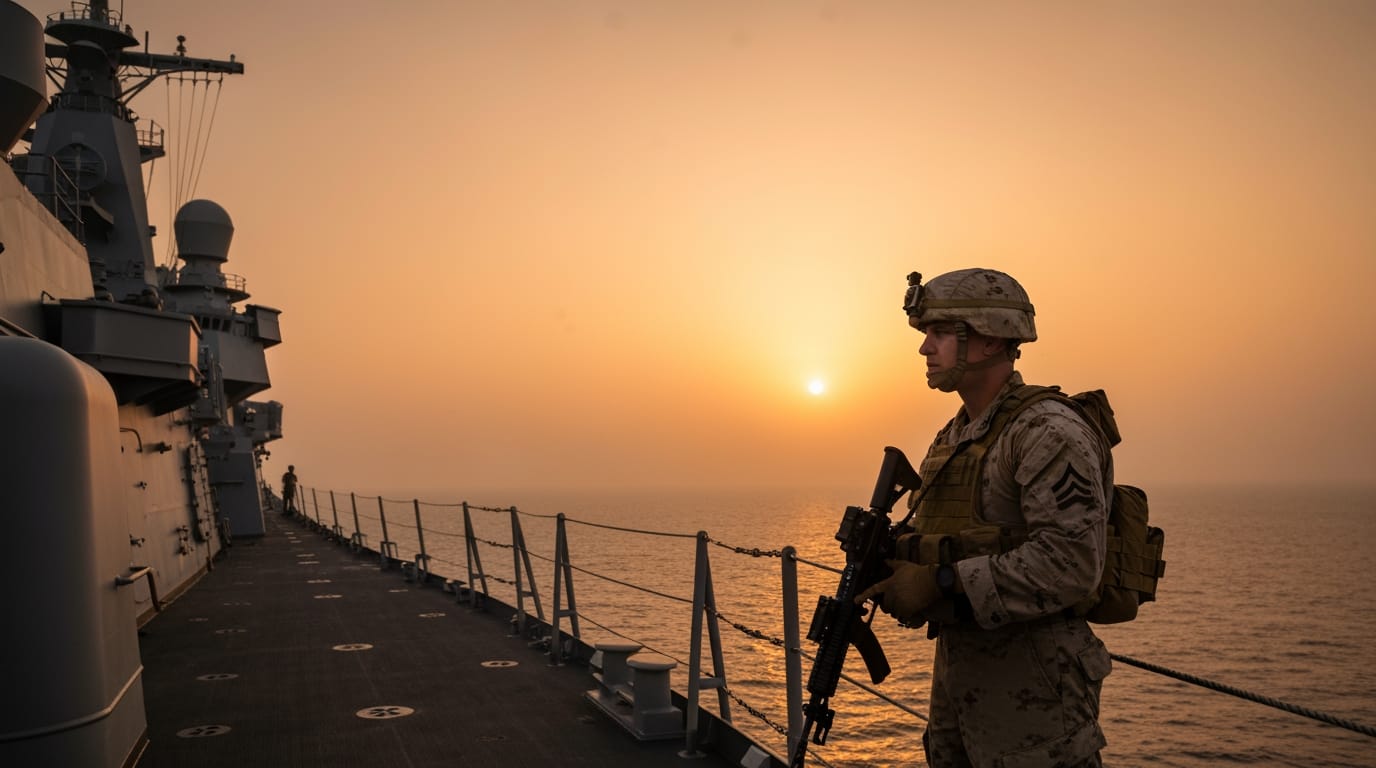
A significant divergence has surfaced between the United States and its European allies regarding maritime security operations in the vital Strait of Hormuz, a critical chokepoint for global oil shipments. Washington has actively sought international support for a coalition aimed at safeguarding commercial shipping through the strait, citing escalating threats to navigation and regional stability. However, the European Union has largely shown reluctance to commit to a US-led initiative, preferring a more independent and de-escalatory approach, highlighting a growing transatlantic schism on Middle East policy.
The US push for an international naval mission intensified following a series of incidents in the Persian Gulf and the Gulf of Oman, including attacks on oil tankers and the downing of a US surveillance drone. These events, attributed by the US to Iran, underscored the volatile nature of the region and the potential for disruptions to global energy markets. US officials articulated a clear need for a multinational presence to deter aggression, ensure freedom of navigation, and provide enhanced protection for commercial vessels transiting the narrow waterway. The proposed coalition, termed "Operation Sentinel" or similar iterations, envisioned pooled resources, intelligence sharing, and coordinated patrols to secure one of the world's most strategic maritime routes. The request for assistance was framed as a collective security effort to protect shared economic interests and uphold international law in the face of perceived Iranian assertiveness.
The Strait of Hormuz is a geopolitical flashpoint, connecting the Persian Gulf with the Arabian Sea and the broader Indian Ocean. Approximately one-fifth of the world's total petroleum consumption, including a substantial portion of crude oil from Saudi Arabia, Iran, the UAE, Kuwait, and Iraq, passes through this 21-mile wide channel daily. Its strategic importance cannot be overstated; any significant disruption could trigger a spike in oil prices, destabilize global economies, and ignite a broader regional conflict. For decades, the US Navy's Fifth Fleet, based in Bahrain, has played a pivotal role in maintaining security in these waters. However, recent events, coupled with Iran's warnings about potential closures of the strait, prompted the US to seek a broader international commitment, aiming to diffuse the burden and demonstrate a united front against threats to maritime commerce.
Despite the urgency conveyed by Washington, European nations have largely held back from enthusiastically joining a US-led security mission. The reasons for this reluctance are multifaceted and reflect deeper geopolitical considerations. A primary concern for many European states is the desire to avoid being drawn into an escalated confrontation between the United States and Iran. Many EU members were staunch supporters of the 2015 Iran nuclear deal, formally known as the Joint Comprehensive Plan of Action (JCPOA), and have expressed regret over the US withdrawal from the agreement in 2018. They fear that participating in a US-led military mission could further undermine diplomatic efforts to salvage the JCPOA and potentially exacerbate tensions with Tehran.
Furthermore, European capitals have signaled a preference for an independent, European-led maritime surveillance initiative, emphasizing de-escalation and a non-confrontational approach. France, for instance, took the lead in proposing a European-only mission, distinct from any US-orchestrated efforts. This independent stance is driven by a broader ambition among some EU members to foster greater strategic autonomy and pursue foreign policy objectives that align with their own regional interests, rather than automatically following Washington's lead. Concerns also exist within Europe that a US-led mission might be perceived by Iran as overtly provocative, potentially leading to miscalculations and a dangerous escalation in the already volatile region. European nations have also stressed the importance of protecting commercial shipping while simultaneously upholding channels for dialogue with Iran.
The implications of this transatlantic divide extend beyond the immediate security of the Strait of Hormuz. It highlights a growing divergence in how the US and Europe perceive threats in the Middle East and the preferred methods for addressing them. While the US often prioritizes robust military deterrence and sanctions, many European states lean towards diplomacy, multilateralism, and maintaining engagement, even with adversarial actors. This difference in approach poses challenges for coordinated action on a range of global issues and underscores the evolving dynamics of the transatlantic alliance. The inability to forge a unified front on such a critical security issue could embolden actors seeking to disrupt international norms and potentially lead to a more fractured global response to future crises.
In conclusion, the US call for an international coalition to secure the Strait of Hormuz has been met with a cautious and largely non-committal response from its European allies. While all parties acknowledge the strategic importance of the waterway and the necessity of safeguarding international shipping, differing perspectives on how to achieve this, particularly concerning engagement with Iran and the pursuit of strategic autonomy, have created a noticeable rift. This ongoing divergence reflects deeper policy disagreements between the US and the EU on regional stability and the future of transatlantic cooperation, leaving the critical maritime chokepoint subject to complex, uncoordinated security efforts and persistent geopolitical tensions.


