China's Property Crisis: The Unseen Depths of a Nation's Economic Struggle
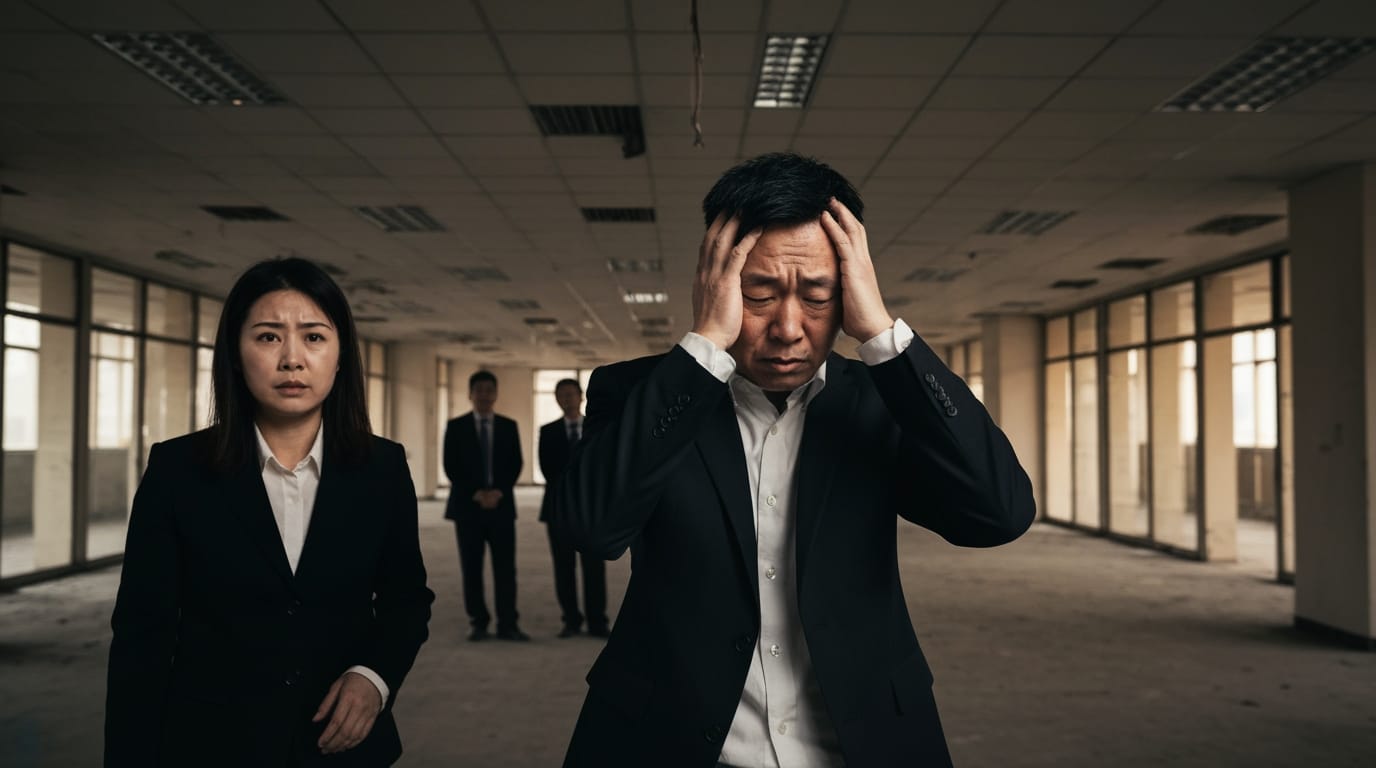
Beijing's concerted efforts to tightly control the narrative surrounding its burgeoning property crisis have drawn international scrutiny, revealing a deeper struggle to manage both economic fallout and public perception. As the nation grapples with defaulting developers, plummeting home prices, and a mounting pile of unfinished projects, authorities are increasingly resorting to stringent information censorship, effectively drawing an opaque curtain over the true scale and implications of the downturn. This strategy underscores a delicate balancing act for the Chinese Communist Party: preserving an image of stability while confronting a crisis that threatens the very foundations of household wealth and broader economic growth.
The Precipice of Crisis: A Sector Under Siege
The roots of China's property woes trace back to 2020, when the government introduced its "three red lines" policy, designed to curb excessive borrowing by real estate developers. This regulatory tightening, aimed at deleveraging a sector that had become a significant, some estimates suggest up to 29%, contributor to the nation's Gross Domestic Product (GDP), inadvertently triggered a liquidity crunch for highly leveraged companies. Developers such as Evergrande and Country Garden, once titans of the industry, found themselves unable to meet their colossal debt obligations, with Evergrande defaulting on over $300 billion in liabilities and Country Garden reporting a significant loss of $6.7 billion in the first half of 2023.
This crisis has led to a wave of stalled construction projects and a significant oversupply of housing. Home prices have fallen by nearly 10% since early 2024, with new home sales projected to drop 15% in 2025 due to weak demand. The value of unsold or unfinished homes in China is estimated to be around 30 trillion yuan (approximately $4.1 trillion), and it could cost over $967 billion to reduce the housing supply to pre-collapse levels. Many Chinese households, who have an estimated 70% of their wealth stored in real estate, are now facing "mortgage inversion," where their homes are worth less than the outstanding loans, leading to negative equity. This has fueled widespread disillusionment and economic anxiety among the populace, many of whom are middle-class families who invested their life savings into property.
The Iron Curtain of Information Control
In response to the deepening crisis, Chinese authorities have implemented aggressive measures to control information flow and suppress negative narratives. In November 2025, officials reportedly ordered two private data agencies, China Real Estate Information Corp and China Index Academy, to cease publishing their monthly reports on top developer sales rankings. This came shortly after reports indicated a 41.9% year-over-year decline in new home sales in October. Furthermore, Shanghai authorities have actively censored posts expressing pessimistic outlooks about the real estate sector.
The censorship extends to broader social media platforms. In mid-November, platforms like Xiaohongshu and Bilibili were reportedly instructed to crack down on posts "talking down" the housing market. Earlier in the crisis, crowd-sourced documents tallying mortgage boycotts across the country were also removed from platforms like Zhihu, Kdocs, and Wolai, with social media accounts of homebuyers on Douyin (China's TikTok) and Weibo being banned. Some homebuyers even reported being contacted by police after posting about their grievances, illustrating the direct enforcement of information control. This systematic suppression of data and public discourse aims to prevent panic and maintain an appearance of stability, despite the underlying turmoil.
Ripple Effects: Economic Fallout and Social Strain
The property crisis is not confined to developers and homebuyers; its repercussions are rippling through China's financial system and broader economy. Banks are facing significant losses from defaulting real estate companies, leading to increased national debt and reduced financial stability. UBS estimates that the number of apartments seized by banks from small businesses could reach more than 2.4 million by 2027, severely impacting collateral values and potentially driving down second-hand home prices by impacting about a fourth of new home sales annually. The International Monetary Fund (IMF) has warned of a possible decline in China's property market and lowered its growth forecast for the country.
Local governments, heavily reliant on land sales for revenue, have also been significantly impacted. Land sale revenue dropped by 23% in 2022 and a further 27% in the first quarter of 2023, straining public finances and leading to increased intergovernmental transfers from the central government. This financial strain impacts their ability to fund essential services and manage local debt.
Socially, the crisis has fueled widespread discontent. Protests, while often swiftly suppressed, have emerged from homebuyers demanding delivery of unfinished projects and investors seeking repayment. This underscores the critical link between economic stability and political legitimacy for the Communist Party. The loss of wealth tied to property, coupled with a lack of transparent information, has eroded public confidence and deepened anxieties about the future, hindering consumption and further exacerbating deflationary pressures.
The Calculus of Control: Stability versus Transparency
Beijing's response to the crisis has been a complex mix of targeted interventions and stringent information control. On one hand, policymakers have introduced measures such as mortgage subsidies, tax rebates, and a "whitelist" lending program to support viable projects. They are also encouraging the acquisition of existing housing stock to reduce inventory. The government has repeatedly pledged to stabilize the housing sector, recognizing its importance for household consumption and overall economic growth.
However, these interventions are overshadowed by the pervasive censorship, which prioritizes short-term social stability over market transparency. The argument for such secrecy often centers on preventing widespread panic, which could trigger a full-blown financial crisis and challenge the Communist Party's authority. Yet, this approach has its own significant costs. By suppressing critical data and stifling open discussion, the government inadvertently fosters distrust among its citizens and makes it harder for both domestic and international observers to accurately assess the situation. This lack of transparency can lead to misallocated resources, delayed effective solutions, and a continued erosion of confidence. As the Mainland Affairs Council in Taiwan noted, censorship itself can become "the story," fueling speculation and undermining trust in state institutions.
Conclusion
The ongoing property crisis in China represents a profound challenge to the nation's economic model and social fabric. Beijing's strategy of stringent information control, while arguably aimed at maintaining stability, creates a paradox: the very secrecy intended to prevent panic may instead foster deeper mistrust and delay a genuine resolution. The immense scale of unsold properties, defaulting developers, and widespread household wealth erosion demands comprehensive and transparent solutions. As the crisis continues to unfold, the long-term implications of this opaque approach—on China's economic health, social cohesion, and international standing—remain a critical and closely watched development. The balance between short-term control and long-term credibility will ultimately define the trajectory of China's response to its most significant economic test in decades.