Cities Under Siege: Adapting to a Future of Floods and Droughts
As climate change intensifies, cities around the globe are facing a daunting reality: more frequent and severe floods and droughts. These extreme weather events threaten infrastructure, disrupt economies, and endanger lives, forcing urban centers to innovate and adapt to survive in an increasingly volatile world. From large-scale infrastructure projects to nature-based solutions and community engagement, cities are employing a diverse range of strategies to build resilience against these climate-driven challenges.
The Dual Threat: Floods and Droughts in a Changing Climate
Climate change is disrupting the Earth's water cycle, leading to more unpredictable and extreme precipitation patterns. This translates to both increased flooding in some regions and prolonged droughts in others.
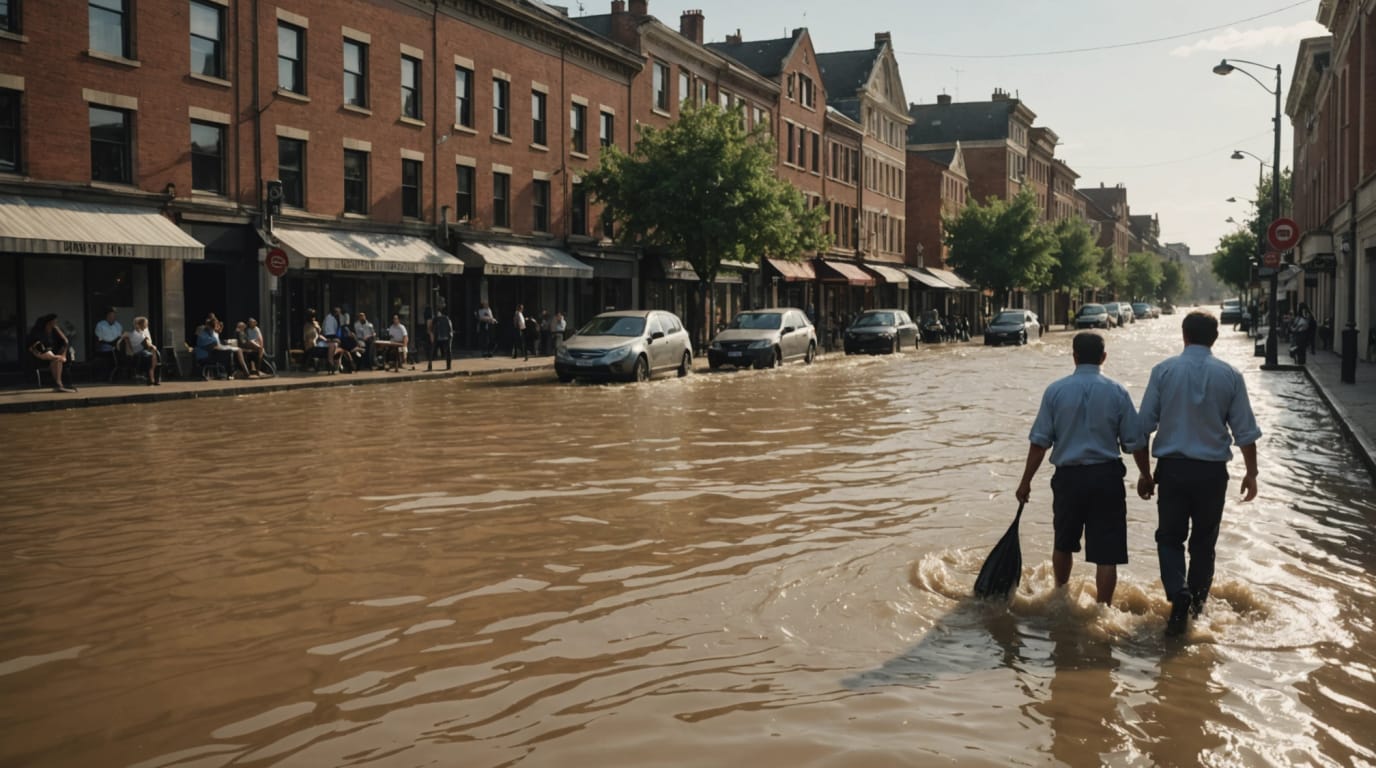
Floods: Rising temperatures are causing more intense precipitation events, overwhelming urban drainage systems and leading to widespread flooding. Coastal cities are particularly vulnerable, as sea-level rise exacerbates the risk of storm surges and coastal erosion. Nearly two billion people live in areas prone to high flood risk, with 660 million in urban regions exposed to river flooding. The economic losses from flooding can be staggering, primarily due to infrastructure damage and inventory loss.
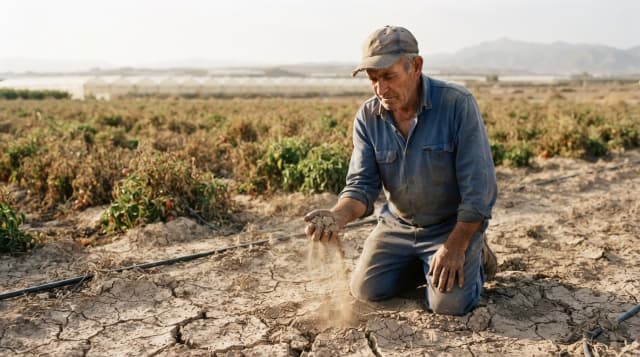
Droughts: In other regions, climate change is contributing to prolonged periods of drought, impacting water supplies for residents, businesses, and agriculture. Higher temperatures increase evaporation rates, reducing water supplies and leading to decreased soil moisture. The Mediterranean region, for example, has already experienced major impacts from decreased precipitation and increased temperatures, leading to water scarcity, reduced crop yields, and increased risks of wildfires.
These extreme events are not only environmental disasters but also pose significant threats to human security. Unpredictable rainfall and extreme weather can trigger competition for food and water, while declining agricultural output can lead to income loss. Droughts, floods, and sea-level rise are already displacing millions of people each year.
Hard Infrastructure: Building Defenses Against the Elements
Many cities are turning to traditional engineering solutions to protect themselves from floods and secure water supplies during droughts. These "hard infrastructure" projects often involve large-scale construction and significant investment.
Flood Defenses: Cities are building flood walls, levees, and retention basins to contain floodwaters and protect urban areas. Improved stormwater drainage systems and culverts are also being implemented to manage large volumes of water during heavy rainfall events. Rotterdam, in the face of increasing extreme rain events, developed a 'water square' that retains water during rainfall, easing the stress on sewage systems and preventing floods.
Water Storage and Supply: To combat drought, cities are constructing new water storage facilities, such as reservoirs and underground aquifers, to capture and store water during periods of surplus. Diversifying water sources is also becoming increasingly important, with cities exploring options like groundwater extraction, water trading, recycled water, and desalination. Jordan, one of the most water-scarce countries in the world, is strengthening its water supply infrastructure and ability to deal with drought through the Jordan Water Sector Efficiency Project.
Hydropower facilities also play a role in mitigating the effects of climate change by improving water availability and regulating water flows. Maximizing electricity generation and strategically lowering reservoir levels before the flood season can prevent water spillover and minimize flooding. In times of drought, withholding water can ensure a steady supply for energy, irrigation, and municipal use.
Nature-Based Solutions: Working with the Environment
Increasingly, cities are recognizing the value of "nature-based solutions" that utilize natural ecosystems to provide infrastructure services and enhance climate resilience. These solutions offer a range of benefits, including flood protection, drought mitigation, carbon storage, improved water and air quality, and increased biodiversity.
Green Infrastructure for Flood Control: Green roofs, permeable pavements, and rain gardens can reduce runoff, enhance groundwater recharge, and alleviate pressure on traditional drainage systems. Wetlands and mangroves can also provide natural flood protection, absorbing wave energy and reducing coastal erosion. In Badajoz, Spain, a pilot school implemented green roofs and facades, along with other plants for shade, to keep indoor temperatures cooler on hot days, reduce energy use, and decrease rainwater runoff.
Urban Forests for Cooling and Water Management: Planting trees and creating urban forests can lower temperatures through shading and evapotranspiration, reducing the urban heat island effect. Trees also help absorb rainwater and reduce flooding. Milan, Italy, has launched a public-private partnership called ForestaMi to plant 3 million trees and bushes by 2030, aiming to keep local warming below 3.6 F (2 C) by 2050.
Natural Infrastructure for Drought Mitigation: Restoring and conserving wetlands can help maintain water flow during dry periods and support groundwater recharge. Beaver dam analogues, small structures built to mimic beaver activity along streams, can store water during high stream flow and maintain flow where stream levels drop. Water retention projects, using berms and water control structures to capture and store runoff, are also growing in popularity.
Planning and Policy: Building Resilience into the Urban Fabric
Effective urban planning and policy are essential for building long-term climate resilience. This involves integrating climate considerations into all aspects of urban development, from land use planning and building codes to infrastructure investments and emergency management.
Climate-Resilient Urban Planning: Curbing urban sprawl and greenfield development can help preserve natural land and its carbon sequestration potential. Controlling urban development on hazardous land can reduce exposure to climate risks such as flooding or landslides. Preserving natural land and prioritizing land for nature-based solutions can mitigate the impact of climate events.
Adaptive Building Codes and Infrastructure Standards: Adapting building codes to future climate conditions and extreme weather events is crucial. This includes requiring better construction practices that take climate impacts into consideration and instituting mandatory resilience standards. Governments can also reform insurance policies, such as FEMA's National Flood Insurance Program, to reflect climate impacts.
Community Engagement and Preparedness: Educating residents about climate risks and involving them in planning processes can enhance community resilience and ensure that mitigation measures are practical and supported by local stakeholders. Emergency communication and evacuation planning are also essential for protecting lives during extreme weather events.
Social Equity: Protecting the Most Vulnerable
Climate change disproportionately affects vulnerable populations, including low-income communities, communities of color, and those with limited access to resources. These groups are more likely to live in areas prone to flooding, extreme heat, and air pollution, and they often lack the resources to prepare for and cope with climate hazards.
Addressing Environmental Justice: Climate adaptation strategies must prioritize social equity, ensuring that vulnerable communities are protected from the worst impacts of climate change. This includes investing in infrastructure improvements in underserved areas, providing access to cooling centers and other resources during heat waves, and ensuring that all residents have access to affordable and nutritious food.
Supporting Displaced Populations: Climate change is already displacing millions of people around the world, and many of these climate refugees are moving to cities. Cities need to integrate these new populations, providing access to housing, employment, and social services. It is also crucial to address climate change as a root cause of displacement, working to create more sustainable and resilient communities in vulnerable regions.
A Call to Action: Building a Climate-Resilient Future
As climate change intensifies, cities must act decisively to protect their residents, economies, and ecosystems. This requires a multi-faceted approach that combines hard infrastructure, nature-based solutions, smart planning and policy, and a commitment to social equity. By embracing innovation, collaboration, and a long-term perspective, cities can build a climate-resilient future for all. The time to act is now, before the rising tides and prolonged droughts overwhelm our urban centers.