Cologne Cathedral Introduces €12 Entry Fee for Tourists Amid Soaring Preservation Costs

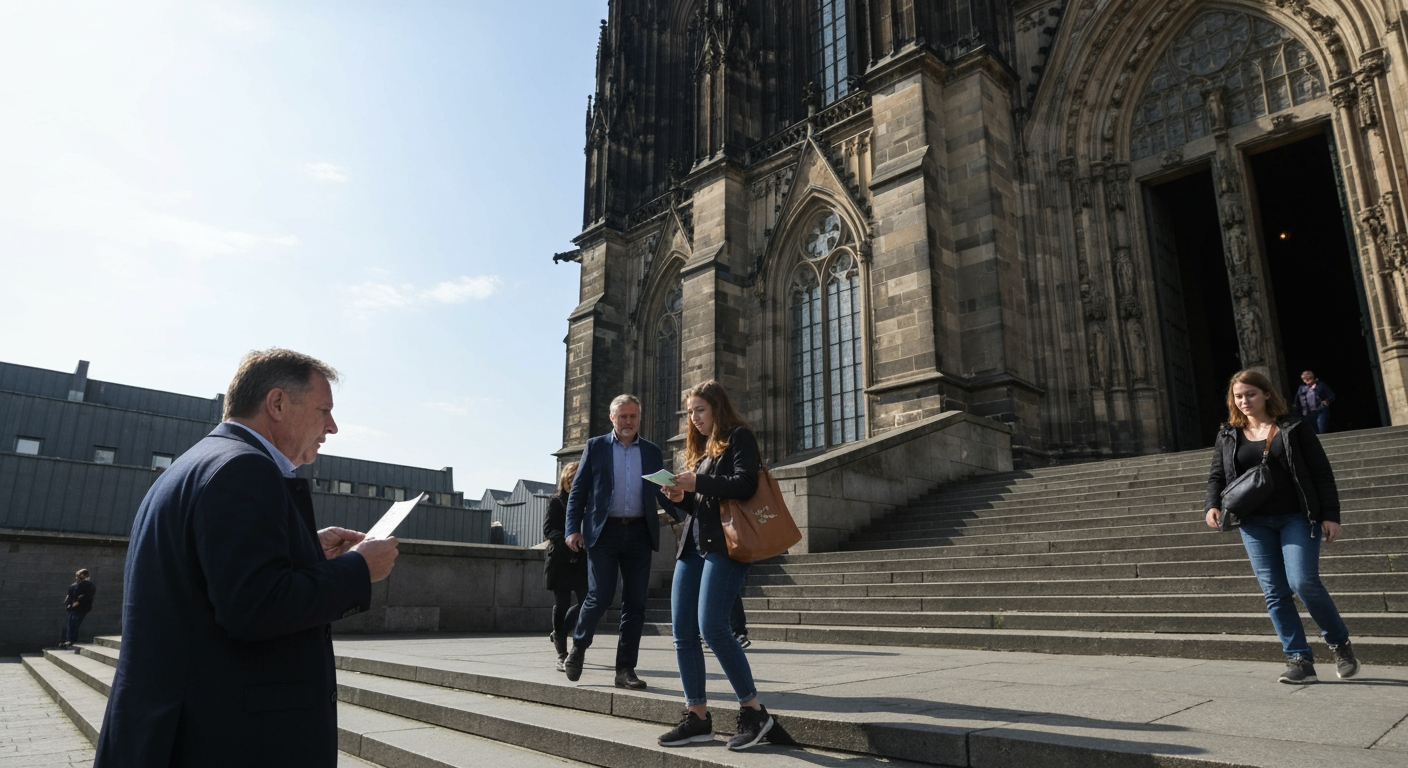
COLOGNE, Germany – The iconic Cologne Cathedral, a UNESCO World Heritage site and one of Germany's most revered landmarks, will introduce a €12 admission fee for tourists beginning July 1, ending centuries of free access to its magnificent interior. The decision by cathedral officials marks a significant shift in funding strategy, driven by escalating maintenance, security, and staffing costs essential to preserving the monumental Gothic structure. This new charge, aimed at creating a dedicated revenue stream, comes as the cathedral grapples with a persistent financial deficit and the immense challenge of upkeep for a building that attracts approximately six million visitors annually.
The introduction of the entry fee reflects a growing trend among Europe's historic and sacred sites, where the sheer volume of tourism, coupled with the inherent expenses of preserving ancient architecture, necessitates new financial models. While the move has sparked debate regarding the commercialization of religious spaces, cathedral authorities emphasize its crucial role in ensuring the cathedral's long-term survival and maintaining its spiritual integrity amidst high visitor traffic.
The Rising Cost of Heritage Preservation
For decades, access to the main interior of the Cologne Cathedral has been free, a tradition that underscored its role as a house of worship open to all. However, the financial landscape has dramatically shifted. Cathedral officials report a continuous deficit since 2019, with reserve funds now nearly depleted. The daily operational and preservation costs for the cathedral are estimated at approximately €44,000, totaling around €16 million annually. These expenditures cover critical maintenance, security measures, and the wages of a large staff dedicated to its care.
The COVID-19 pandemic exacerbated financial pressures, as fee-generating areas like the south tower and the Cathedral Treasury saw significant declines in revenue during closures and reduced tourism. Although a fee was already in place for climbing the 533 steps of the south tower (€8) and visiting the treasury (€8), the general entrance to the main nave remained free. The new €12 fee for tourists is intended to specifically address the shortfall in funding required for the general upkeep of the main cathedral building.
Distinguishing Worship from Tourism
A core aspect of the new policy is the careful distinction between tourists and worshippers. Religious services, private prayer, and the lighting of candles in designated areas will remain free of charge. Worshippers will continue to have free access, often through a specific northern gate, ensuring that the cathedral fulfills its primary function as a sacred space without financial barriers for its congregants.
Cathedral Dean Guido Assmann noted that tourists comprise an overwhelming 99 percent of the cathedral's visitors, underscoring the necessity of a visitor contribution towards its preservation. The fee structure also includes reduced rates of €6 for students, school groups, trainees, accompanying teachers, and holders of social support passes. Children under 13, visitors with severe disabilities, and their accompanying carers will also continue to receive free entry.
Officials hope that, beyond generating much-needed funds, the admission charge will help manage the significant crowds that can at times disrupt the spiritual atmosphere. By potentially reducing visitor numbers, the measure aims to restore a greater sense of serenity and quiet for both worshippers and those seeking reflection within its ancient walls.
A Landmark's Enduring Legacy
The Cologne Cathedral, a masterpiece of Gothic architecture, holds a profound place in German and global heritage. Its construction began in 1248 and spanned over 600 years, finally completed in 1880. For a time, its 157-meter-high twin spires made it the tallest building in the world. The cathedral was designated a UNESCO World Heritage site in 1996, recognized for its exceptional universal value and its remarkably consistent execution of a single Gothic plan.
The structure is not only an architectural marvel but also a symbol of resilience, famously standing amidst the rubble of Cologne after sustained Allied bombings during World War II. It houses significant art treasures, including the Shrine of the Three Kings, making it a pivotal pilgrimage site. Each year, it draws millions, making it Germany's most visited landmark and a major draw for tourism in the Rhineland region.
Broader Implications and Public Debate
The decision to charge an entry fee has ignited discussions about the balance between public access to cultural heritage and the financial realities of maintaining such monumental sites. Critics have expressed concerns about the "commercialization of sacred spaces" and the potential for the fee to be "socially unjust," limiting access to those who can afford it. Architect Barbara Schock-Werner, who previously oversaw conservation work at the cathedral, voiced regret that Germany's most famous church would charge an entrance fee, arguing for the existence of non-commercial spaces.
However, supporters point to similar practices across Europe, where many prominent cathedrals and landmarks, such as Sagrada Família in Barcelona (€26), St. Paul's Cathedral in London, Milan Cathedral, and Westminster Abbey (€35), already implement admission fees for tourists. Berlin Cathedral also charges €15 for a standard viewing ticket. These examples suggest a broader trend where heritage sites are increasingly seeking self-sufficiency to fund their extensive preservation needs.
Tourism boards in Germany are exploring ways to integrate the new fee into existing city passes and regional tour packages to minimize inconvenience for visitors. Despite the new cost, early projections anticipate continued strong tourist demand, recognizing the cathedral as a must-see destination. The revenue generated is also slated to support new initiatives, including an interactive museum and enhanced lighting systems designed to further illuminate the cathedral's extensive history.
Conclusion
The implementation of a €12 entry fee for tourists at Cologne Cathedral marks a pivotal moment in the ongoing challenge of preserving global heritage. While it signals an end to a long-standing tradition of free access, cathedral officials assert it is a necessary step to secure the future of this irreplaceable Gothic masterpiece. The move aligns Cologne Cathedral with a growing number of European landmarks that have embraced admission charges as a sustainable model for maintenance and conservation in an era of rising costs and high visitor volumes. Balancing universal access with the imperative of preservation, the new policy aims to ensure that the "Jewel of the Rhine" continues to inspire awe and serve as both a spiritual sanctuary and a cultural beacon for generations to come.
Related Articles

Ratko Mladić, "Butcher of Bosnia" and Convicted War Criminal, Dies at 84
THE HAGUE, Netherlands – Ratko Mladić, the former Bosnian Serb military commander known as the "Butcher of Bosnia" and convicted of genocide, war crimes, and crimes against humanity, has died at the age of 84. Serbian...

Long-Awaited 9/11 Mastermind Trial Set for 2028, Decades After Attacks
GUANTANAMO BAY, Cuba – Nearly a quarter-century after the devastating terror attacks of September 11, 2001, a military judge has finally set a trial date for Khalid Sheikh Mohammed, the alleged mastermind behind the...