Colombia Authorizes Cull of Pablo Escobar's 'Cocaine Hippos' Amid Escalating Ecological Crisis
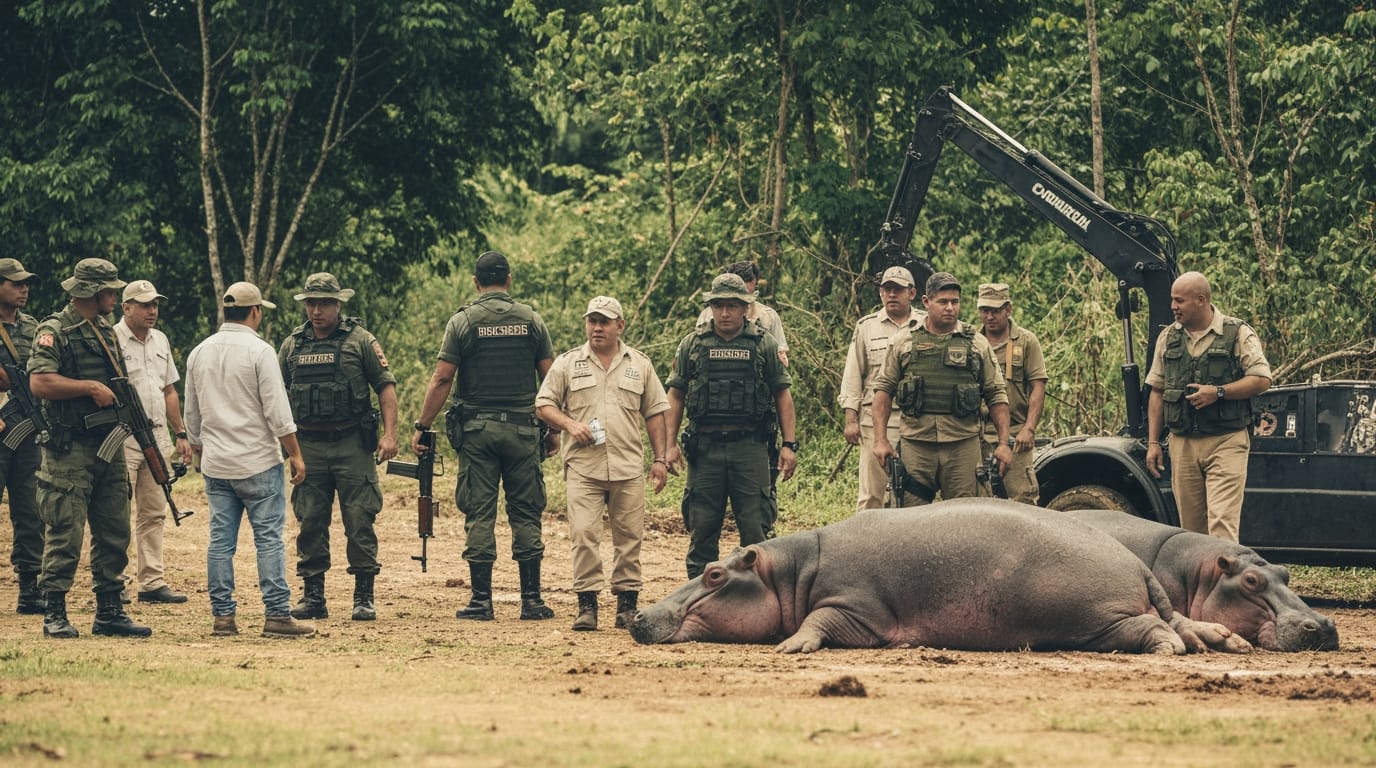
BOGOTA, Colombia – In a stark move to address an accelerating ecological crisis, Colombian authorities have approved a plan to cull dozens of wild hippopotamuses, the infamous descendants of animals illegally imported by drug lord Pablo Escobar. The decision, announced recently by the Environment Minister, marks a critical turning point in a decades-long struggle to control a burgeoning invasive species that poses significant threats to the nation's biodiversity and human populations. Up to 80 of these formidable mammals, colloquially known as "cocaine hippos," are targeted for euthanasia, a measure deemed necessary after previous attempts at population control proved insufficient and costly.
An Unintended Legacy's Reckoning
The directive to proceed with a cull underscores the severity of the challenge facing Colombia. Environment Minister Irene Vélez confirmed the decision, highlighting that alternative methods, including sterilization and relocation, have been largely unsuccessful or impractical. The current population of these hippos, which numbered around 160-170 in 2022, is projected to surge to an alarming 1,000 individuals by 2035 if unchecked. This exponential growth necessitates immediate and decisive action, according to officials, to safeguard native ecosystems and prevent further proliferation of the aggressive, territorial animals. The cull represents a painful but, in the government's view, unavoidable last resort to mitigate an environmental catastrophe.
The Genesis of an Ecological Crisis
The story of Colombia's wild hippos traces back to the eccentric tastes of Pablo Escobar, the notorious head of the Medellín Cartel. In the early 1980s, Escobar illegally imported four hippos—three females and one male—to populate his private zoo at Hacienda Nápoles, his sprawling estate located between Medellín and Bogotá. Following Escobar's death in 1993, while most of his exotic animals were relocated to zoos, the hippos were left behind. Their sheer size and aggressive nature made their capture and transport exceedingly difficult and dangerous.
Left to roam freely, these few individuals found an ideal habitat in the Magdalena River basin, a region characterized by abundant water, lush vegetation, and, crucially, a complete absence of natural predators. This lack of ecological checks allowed the population to boom. By 2007, their numbers had grown to 16, and by 2014, approximately 40 hippos were reported in Puerto Triunfo, Antioquia. Their range has since expanded significantly, with sightings reported over 100 kilometers (60 miles) north of Hacienda Nápoles. This rapid and uncontrolled expansion transformed what began as a drug lord's extravagant whim into a complex ecological nightmare for an entire nation.
The Deepening Ecological and Human Toll
The proliferation of these non-native hippos has unleashed a cascade of detrimental effects on Colombia's delicate ecosystems. As an invasive species, they disrupt natural balances and directly threaten native flora and fauna. Their immense size and prodigious appetites lead to heavy consumption of plants, potentially reducing local biodiversity and displacing native species such as the West Indian manatee, neotropical otter, spectacled caiman, and various species of turtles, including the critically endangered Dahl's toad-headed turtle and Magdalena River turtle.
Beyond direct competition, the hippos significantly alter aquatic environments. Spending their days wallowing in rivers and lakes and grazing on land at night, they act as major transporters of nutrients and carbon from land to water through their waste. Each hippo can produce up to 9 kilograms (about 20 pounds) of dung daily, leading to an excessive accumulation of organic matter. This waste contaminates water sources, increases nutrient levels, and fosters the growth of cyanobacteria, which can result in harmful algal blooms and subsequent die-offs of aquatic life. Studies have shown changes in oxygen levels and the chemical makeup of waterways inhabited by hippos, further jeopardizing native aquatic species. Their physical movements also impact geomorphology and hydrology, creating channels and compressing riverbeds, which damages nursery habitats crucial for young aquatic animals.
The impact extends to human populations. Hippos are notoriously aggressive and dangerous animals, and their increasing presence in local waterways and even on land has led to encounters with villagers. There have been reports of hippos invading schoolyards and attacking fishermen, underscoring the direct threat they pose to human safety in rural communities along the Magdalena River. While some locals have found ways to capitalize on the hippos as a tourist attraction, offering spotting tours and selling themed souvenirs, the underlying risks remain significant.
A Search for Solutions, and the Inevitable Choice
For years, Colombian authorities and the scientific community grappled with finding a humane and effective solution to the hippo crisis. Initial efforts included surgical sterilization, a process both expensive—costing around $9,800 per animal—and fraught with risk for both the hippos and the veterinary teams involved, due to the animals' size and aggressive nature. Immunocontraception, such as the GonaCon vaccine, was also explored and applied to some individuals with assistance from the United States. However, the logistical challenges of capturing and medicating dozens of territorial, three-ton animals across a vast and often inaccessible terrain meant that these efforts could not keep pace with the hippos' rapid reproduction rate.
Relocation to zoos or sanctuaries in other countries was another avenue pursued, with discussions held with Mexico, India, and the Philippines. However, these plans encountered significant hurdles, primarily the lack of formal authorization from environmental authorities in potential receiving countries and the substantial costs, estimated at around $3.5 million for an international transfer. Ultimately, despite expressions of interest from some sanctuaries, no country officially agreed to accept Colombia's hippos, leading to "administrative silence" that signaled a dead end for this approach.
The debate surrounding the hippos has been complex, pitting environmental experts advocating for population control against animal rights groups. The latter have long opposed lethal measures, citing ethical concerns and calling for continued non-lethal alternatives. A previous attempt to cull an aggressive male hippo in 2009, which sparked public outrage after a photograph of soldiers with the animal's body circulated, illustrated the strong emotional attachment some people have to these creatures. However, the scientific consensus increasingly pointed to the inadequacy of non-lethal methods alone to manage a population growing at an alarming rate in an environment without natural checks. A court order in Cundinamarca in 2024 specifically called for regulations contemplating "eradication measures" for the species, further paving the way for the current decision.
A Complex Dilemma's Harsh Reality
Colombia's decision to cull Pablo Escobar's hippos is a profound and somber acknowledgment of a complex ecological and ethical dilemma. It underscores the profound and often unforeseen consequences that arise from the introduction of exotic species into foreign environments. What began as a symbol of one man's illicit wealth and power has morphed into a pressing national crisis, demanding difficult choices to protect indigenous biodiversity and ensure public safety.
The measure to euthanize a significant portion of the hippo population reflects a conclusion that, despite their charismatic appeal and tourist draw, the ecological integrity of the Magdalena River basin and the well-being of its human inhabitants must take precedence. While the decision is met with varying perspectives, it highlights the harsh realities of managing invasive species and the long shadow cast by Escobar's eccentric and ultimately destructive legacy. Colombia now embarks on a painful but, according to its authorities, essential process of rectifying an environmental imbalance born from a kingpin's caprice.


