WHO Chief Visits Ebola Epicenter in Eastern DR Congo Amid Escalating Crisis
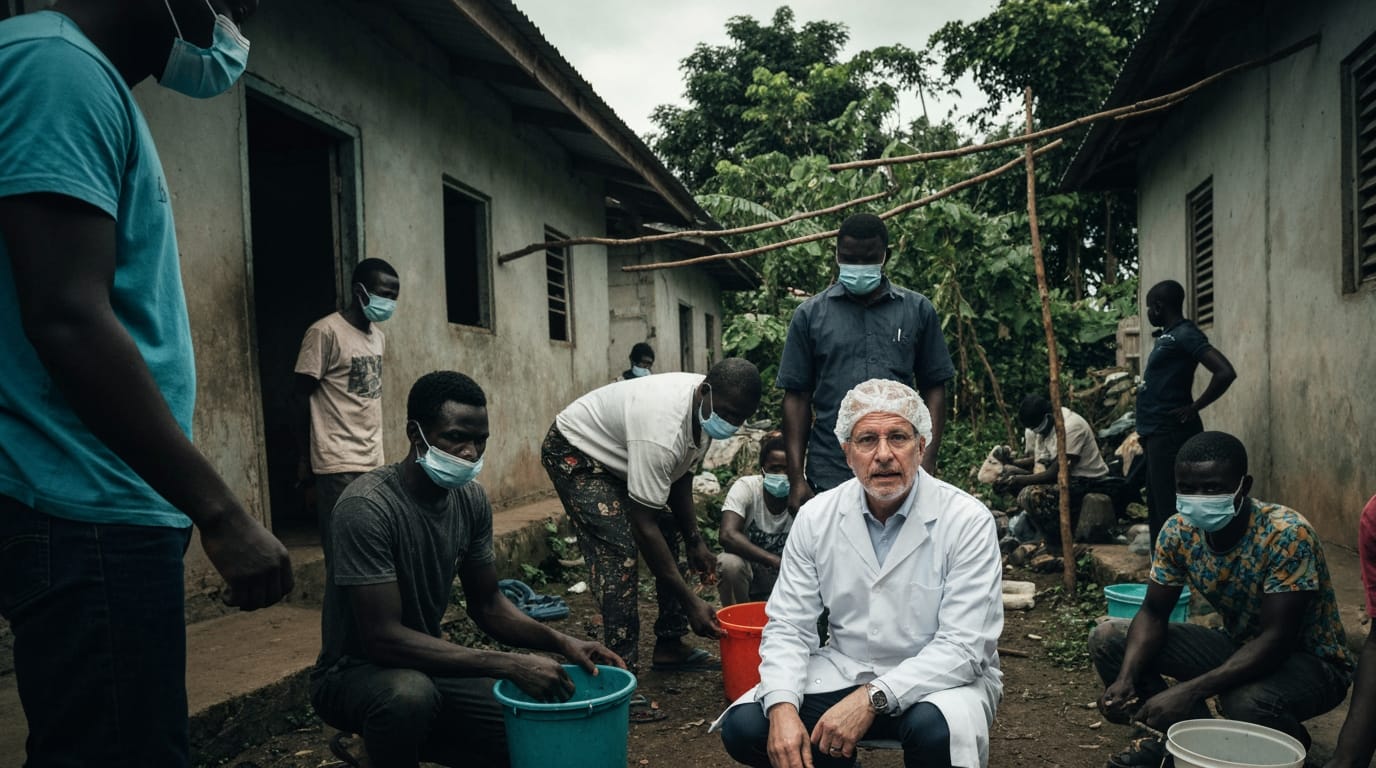
BUNIA, Democratic Republic of Congo – The Director-General of the World Health Organization (WHO), Tedros Adhanom Ghebreyesus, landed in Bunia, the capital of Ituri province in eastern Democratic Republic of Congo (DRC), on Saturday, May 30, 2026, directly addressing the escalating Ebola outbreak that continues to challenge international and local response efforts. His visit underscores the severe nature of the current health crisis, which has already claimed hundreds of lives and is rapidly outpacing containment measures in a region plagued by chronic insecurity.
High-Stakes Visit to a Volatile Region
Dr. Tedros's arrival in Ituri province follows an earlier stop in Kinshasa on Thursday, May 28, and signals a critical push to bolster the emergency response against an outbreak declared just weeks prior on May 15. During his visit, the WHO chief is expected to engage with local authorities, frontline health workers, and affected families, and tour treatment centers to gain firsthand insight into the complexities of the situation. His stated purpose is to "discuss with the community, to see how the response is running and if there are challenges to help," emphasizing the importance of community ownership alongside international aid. Upon his arrival, Tedros reiterated his confidence that the outbreak, despite its severity, remains manageable and can be brought under control, drawing on the DRC's extensive experience battling previous Ebola epidemics.
A Familiar Foe: The 17th Ebola Outbreak in DRC
The current crisis marks the 17th recorded Ebola outbreak in the Democratic Republic of Congo, a nation that has repeatedly confronted the deadly virus over decades. This iteration is particularly concerning as it involves the Bundibugyo virus, a rare strain for which there are currently no approved treatments or vaccines. Since the outbreak's declaration on May 15, the numbers have risen sharply, with over 1,077 suspected cases and at least 246 deaths reported by the Africa Centres for Disease Control and Prevention as of Thursday, May 29. The World Health Organization, however, warns that the actual scope of the outbreak is likely far wider due to underreporting, limited surveillance capabilities in remote areas, and the possibility that the virus was circulating undetected before its official identification. The highly contagious hemorrhagic fever has also spread beyond the DRC's borders, with neighboring Uganda reporting nine confirmed infections and one fatality.
Compounding Crises: Conflict and Community Resistance
The fight against Ebola in eastern DRC is severely complicated by a confluence of factors, primarily the region's long-standing insecurity and armed conflict. Ituri province, the epicenter, has been plagued by three decades of instability and violence involving numerous armed groups, including the M23 rebels. This volatile environment directly hinders humanitarian and medical access, disrupts supply chains, and triggers mass population displacement, which in turn facilitates the rapid spread of the virus in overcrowded camps. Dr. Tedros has explicitly called for a ceasefire in the area, recognizing that ongoing hostilities are gravely complicating containment efforts.
Beyond the physical dangers posed by conflict, the response faces significant challenges from community resistance and denial of the disease. Health workers have reported attacks on facilities, stemming from a lack of trust and misinformation surrounding Ebola. The limited capacity for laboratory testing in the vast central African country further impedes rapid diagnosis and contact tracing, critical components of any effective containment strategy. Aid workers also report that flight restrictions are hampering their ability to deliver vital supplies and personnel. Despite improvements in the organization of some health facilities in Bunia, with increased staff and protective gear, the influx of patients continues around the clock, underscoring the severe pressure on the healthcare system.
Stepped-Up Response and International Pledges
In response to the escalating crisis, international health operations are being scaled up, with significant pledges of support pouring into the region. The European Union has delivered medical aid to Ituri, with further shipments anticipated, and the United States has committed an additional $80 million in aid, bringing its total contribution to over $112 million. The WHO has also taken the step of declaring a public health emergency of international concern, signaling the global community's recognition of the severity and potential for wider spread of this outbreak.
Efforts are focused on identifying and isolating potential cases, tracing contacts, and providing care to the afflicted. The announcement of the first confirmed recovery in this outbreak, a patient successfully discharged after two negative tests, offers a glimmer of hope and validates the ongoing treatment protocols. However, the response remains weeks, if not months, behind the curve of the virus's spread, necessitating a more aggressive and coordinated international push. The emphasis on community engagement, as highlighted by Dr. Tedros, is seen as crucial for overcoming skepticism and ensuring that prevention and treatment messages resonate within affected populations.
Looking Ahead: A Call for Sustained Action
The current Ebola outbreak in eastern DRC represents a formidable challenge, intricately linked with the region's enduring humanitarian and security crises. While the presence of the WHO Director-General provides a high-level focus, the success of the containment efforts will depend on sustained international funding, effective coordination among aid organizations, and, critically, enhanced cooperation from local communities. The call for a ceasefire is not merely a humanitarian plea but a strategic imperative to allow health workers safe passage and enable comprehensive disease control. As the DRC once again confronts this deadly adversary, the global community's resolve and resources will be tested against the backdrop of a complex and ever-evolving emergency.


