Russia Recalls Ambassador to Armenia Amid Escalating EU Pivot
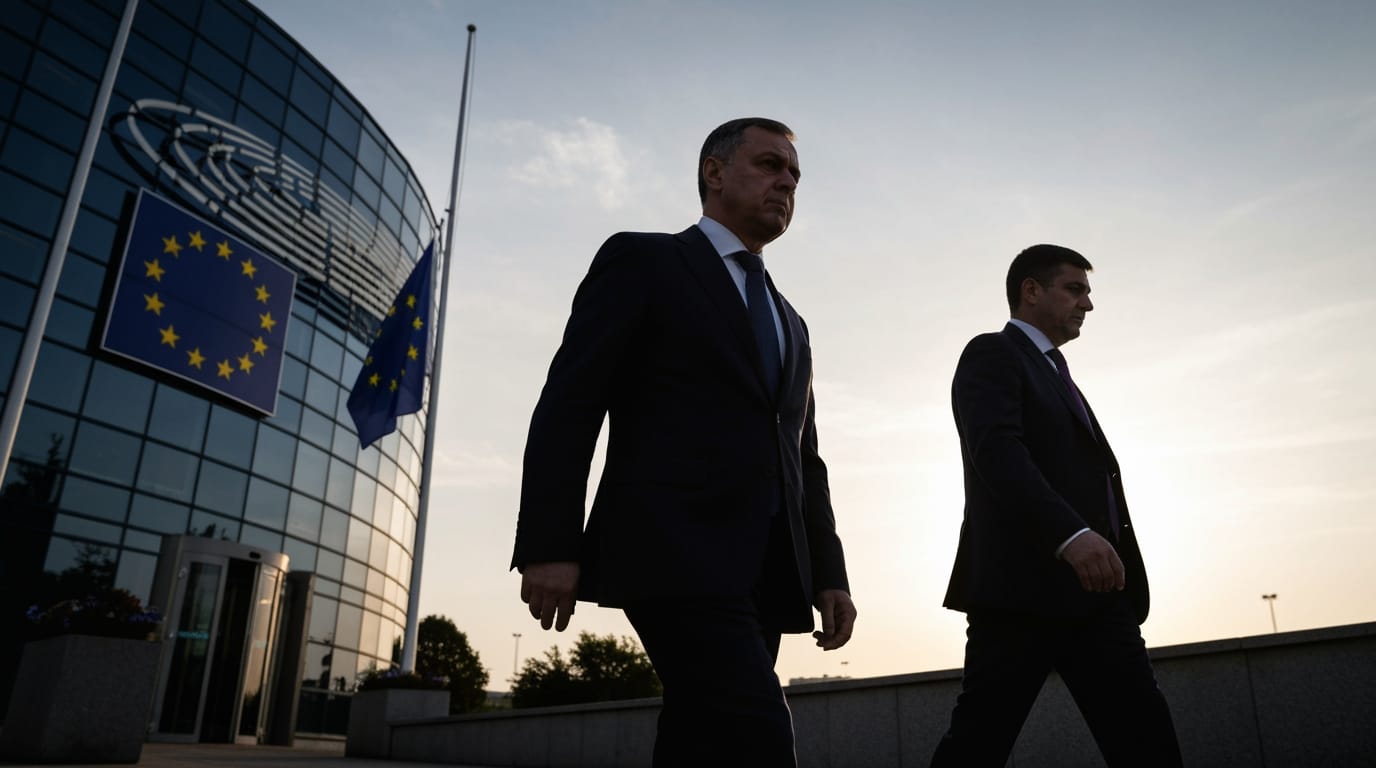
MOSCOW (May 30, 2026) — Russia today announced the recall of its ambassador to Armenia, S. Kopyrkin, for "consultations," signaling a sharp escalation in tensions over Yerevan's deepening rapprochement with the European Union. The move comes as Armenia prepares for crucial parliamentary elections next month and follows explicit warnings from Russian President Vladimir Putin against the South Caucasus nation's pivot toward Brussels, which Moscow views as undermining cooperation within the Russia-led Eurasian Economic Union. The diplomatic maneuver underscores the profound geopolitical shift underway in a region long considered firmly within Russia's sphere of influence, driven by Armenia's increasing disillusionment with its traditional ally.
The Diplomatic Chasm Deepens
The decision to recall Ambassador Kopyrkin was formally announced by Moscow's foreign ministry, which stated the consultations were regarding "steps taken by the Armenian leadership on a rapprochement with the European Union, undermining cooperation within Eurasian Economic Union." This development was preceded by a direct warning from President Putin, who, speaking in Kazakhstan a day prior, likened Armenia's pursuit of closer EU ties to the "Ukrainian scenario" and urged Yerevan to hold a referendum on the matter. Putin stated it was "impossible to reconcile the two" — meaning membership in both the EU and the Russian-led customs union. The recall highlights Moscow's growing frustration with Armenian Prime Minister Nikol Pashinyan's government, which has increasingly pursued a multi-vector foreign policy after decades of staunch allegiance to Russia.
Yerevan's Strategic Reorientation
Armenia's pivot away from Moscow stems largely from a perceived failure of Russia, its long-standing security guarantor, to protect Armenian interests during the Nagorno-Karabakh conflicts. The 2020 war and Azerbaijan's subsequent military takeover of the region in 2023 severely damaged public trust in Russia's reliability and its role as a security ally. This disillusionment spurred Yerevan to actively seek alternative partnerships. Prime Minister Pashinyan has openly questioned the effectiveness of Armenia's existing security alliances, including the Russia-led Collective Security Treaty Organization (CSTO), in which Armenia froze its participation in February 2024.
In its reorientation, Armenia has made significant strides toward the West. Yerevan has intensified dialogue with the European Union, with a particular focus on deeper economic integration and political alignment. In 2024, the EU launched a visa liberalization process with Armenia, and in December 2025, the Strategic Agenda for the EU-Armenia Partnership was adopted. Earlier this month, Yerevan hosted the first-ever EU-Armenia Summit, where a Connectivity Partnership was signed, aiming to strengthen transport, energy, and digital links. The EU also committed a €270 million Resilience and Growth Plan for Armenia in 2024, alongside providing €30 million in assistance under the European Peace Facility for Armenian armed forces.
Beyond the EU, Armenia has also cultivated stronger ties with the United States, signing a strategic partnership agreement in January 2024, and expanded military cooperation with France and India. Further distancing itself from Russia, Armenia ratified the Rome Statute of the International Criminal Court in October 2023, a move deemed "unfriendly" by Moscow, as it could subject President Putin to arrest if he visits Yerevan. Additionally, Russian border guards were removed from Zvartnots Airport, Yerevan's main international airport, in September 2023, with only Armenian troops now manning the border. These actions collectively illustrate a methodical and irreversible shift in Armenia's foreign policy.
Moscow's Retaliation and Pressure Tactics
Russia's response to Armenia's pivot has been multifaceted, combining diplomatic warnings with economic and political pressure. Beyond the ambassadorial recall, Moscow has issued stark warnings about potential economic repercussions. The country's agricultural safety watchdog, Rosselkhoznadzor, announced temporary restrictions on the import of fresh fruits, vegetables, and herbs from Armenia, effective May 30, 2026, citing alleged safety concerns. This follows earlier bans on Armenian flower imports and restrictions on the sale of some Armenian alcoholic products in Russia, moves widely seen as politically motivated.
Further economic leverage has been applied through threats to revoke a 2013 agreement that guarantees Armenia duty-free supplies of natural gas, petroleum products, and uncut diamonds. Russian officials have also suggested Armenia could face suspension from the Eurasian Economic Union if it continues its pursuit of EU membership. Prime Minister Pashinyan, however, has dismissed these energy threats, arguing that EU membership would ultimately bring greater financial benefits than any losses incurred from increased Russian gas prices.
Adding to the pressure, Western intelligence officials allege that Russia has intensified covert operations to influence Armenia's upcoming parliamentary elections on June 7. These alleged efforts include online disinformation campaigns aimed at portraying Armenia's prosperity as dependent on maintaining close ties with Russia, supporting pro-Russian candidates, and even a scheme to transport Russian-based Armenians to vote against Pashinyan. Moscow denies these allegations, accusing Western media of promoting "anti-Russian rhetoric."
The Geopolitical Chessboard of the South Caucasus
The diplomatic spat and Armenia's ongoing pivot hold significant implications for the delicate balance of power in the South Caucasus. For decades, Armenia served as Moscow's crucial foothold in the region, hosting a Russian military base and anchoring Russia's regional influence. The potential loss of Armenia as a reliable ally would signify a major setback for Russia's strategic dominance in the South Caucasus and could accelerate a broader decline of Russian influence across post-Soviet states.
Conversely, for the European Union and the United States, Armenia's reorientation represents an opportunity to expand their strategic presence in a volatile but strategically important region. The EU sees Armenia as an increasingly important partner, particularly as an alternative corridor to Central Asia that can bypass Russian and Iranian controlled routes. However, this growing engagement also places Armenia at the center of a geopolitical tug-of-war, with the country navigating the complex challenge of deepening Western ties without provoking further destabilizing retaliation from Russia. The upcoming elections are seen as a critical test of Armenia's political trajectory, determining whether it can withstand Moscow's pressure and continue its alignment with Europe and the West.
A Crossroads for Armenia
As Ambassador Kopyrkin returns to Moscow for consultations, Armenia stands at a critical juncture in its foreign policy. The recall of the ambassador underscores the high stakes involved in Yerevan's strategic reorientation, which is fundamentally reshaping its relationship with Russia and its place in the broader international landscape. While Armenia seeks to diversify its partnerships and secure a more stable future, it faces significant challenges, including balancing economic ties with Russia, managing Moscow's retaliatory measures, and navigating complex regional dynamics. The outcome of this geopolitical balancing act will not only determine Armenia's long-term trajectory but also have lasting effects on the power dynamics within the South Caucasus and beyond.


