Colombia on Edge as Tight Presidential Election Heads to Likely Runoff
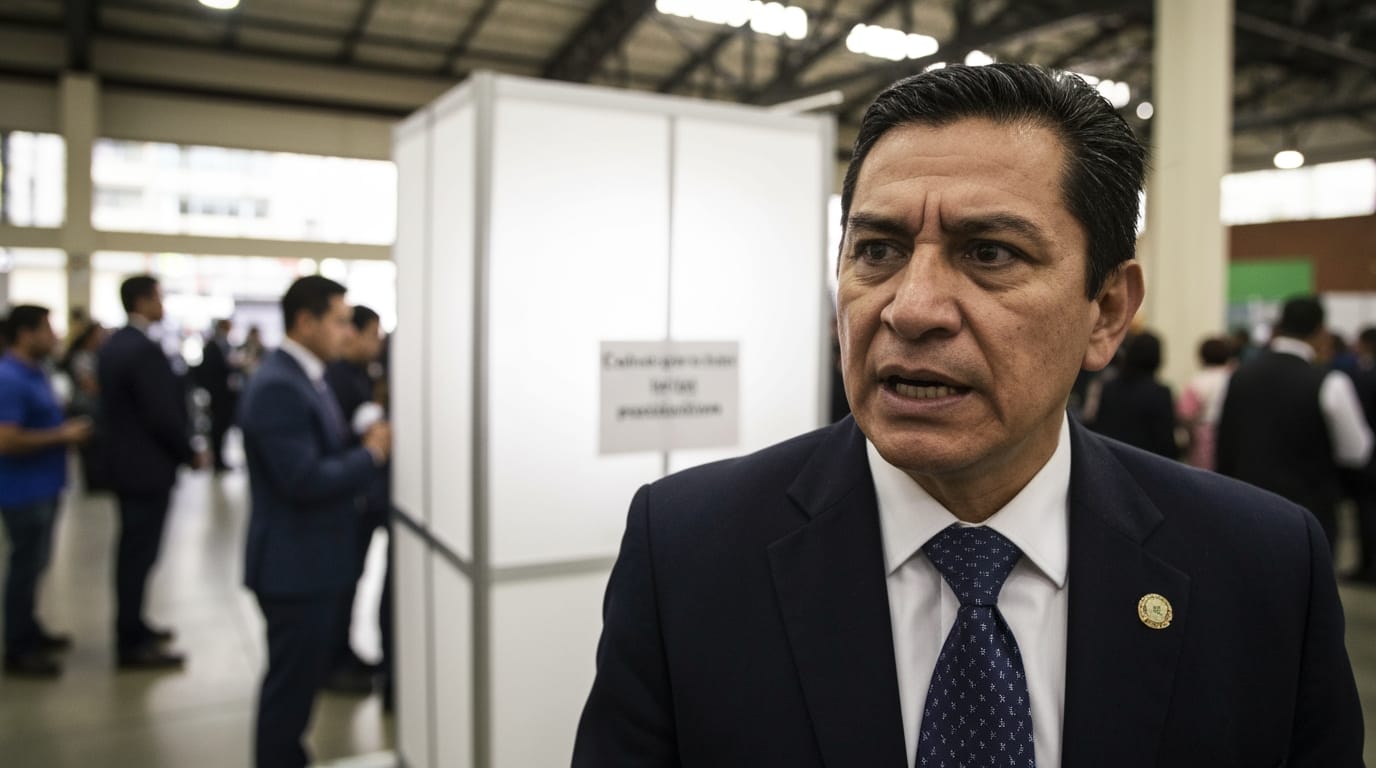
BOGOTÁ, Colombia — Millions of Colombians headed to the polls Sunday in a high-stakes presidential election, a vote widely expected to lead to a second-round runoff as the nation grapples with deep political divisions, escalating security concerns, and a complex economic landscape. With no candidate anticipated to secure the more than 50% needed for an outright victory, the race has narrowed to a fierce contest between a far-left senator and a far-right populist, signaling a decisive moment for the country's future direction. Over 41.4 million registered voters were eligible to cast ballots across approximately 13,000 polling stations nationwide, with preliminary results expected to clarify the path forward later in the evening.
A Nation Divided: The Contenders and Their Platforms
The election has largely become a three-way battle, dominated by candidates representing starkly different visions for Colombia. Senator Iván Cepeda, a far-left candidate from the ruling Pacto Histórico party, is seen as the ideological successor to outgoing President Gustavo Petro, who is constitutionally barred from seeking re-election. Cepeda's platform emphasizes increased social spending, state intervention to address poverty and inequality, rural land reform, and a continuation of Petro's controversial "Total Peace" strategy, which prioritizes negotiations with armed groups over military escalation. Recent polls placed Cepeda in the lead for the first round, hovering around 38.7% of the vote.
Challenging Cepeda from the far-right is Abelardo de la Espriella, a lawyer who has garnered attention for his combative rhetoric and style, drawing comparisons to figures like former U.S. President Donald Trump and El Salvador's Nayib Bukele. De la Espriella's agenda is anchored in fiscal austerity, deregulation, and a highly militarized security approach, including proposals for constructing maximum-security private prisons and resuming aerial fumigation of coca fields. He has polled closely behind Cepeda, at approximately 37.3%.
Rounding out the top contenders is right-wing Senator Paloma Valencia, a figure backed by former President Álvaro Uribe. Positioned as a center-right alternative, Valencia aims to attract voters seeking a less extreme path. Moderate candidate Sergio Fajardo, a former mayor of Medellín, trails significantly in polling. The likelihood of a runoff election on June 21 is high, as no single candidate is projected to reach the 50% threshold in the initial round.
Security and Social Unrest Dominate Voter Concerns
The campaign season unfolded against a backdrop of heightened security concerns, which voters ranked as their primary worry, closely followed by healthcare. Colombia has witnessed a resurgence of political violence, with the election cycle marred by the assassination of a presidential candidate, bombings, kidnappings, and the killings of dozens of local political leaders. This climate has fueled fears of voter intimidation by armed groups in rural areas, raising questions about the integrity of the electoral process.
Candidates have offered sharply contrasting solutions to the nation's security challenges. Cepeda advocates for dialogue and peace negotiations, a continuation of the current administration's approach. In stark contrast, de la Espriella champions a hardline stance, proposing aggressive military action against drug traffickers and criminal organizations. The profound disagreement on how to tackle violence underscores the polarized nature of the election.
Economically, the election is viewed as a referendum on the progressive reforms implemented during President Petro's term. While a recent report indicated improvements in several social indicators under Petro's leadership, including reductions in poverty and increases in real wages, debates continue regarding the long-term viability and impact of these policies.
International Ramifications: US Relations and Regional Stability
The outcome of Colombia's presidential election carries significant implications for its international relationships, particularly with the United States. Colombia remains a crucial U.S. partner in security, trade, and counternarcotics efforts in the Western Hemisphere. While relations with the U.S. have experienced tensions under President Petro, particularly concerning drug policy, the institutional ties between the two nations remain strong.
The leading candidates present different foreign policy orientations. Senator Cepeda, while considered less polarizing than President Petro, is expected to broadly continue the current administration's policies, which could strain relations with the U.S. on certain issues. Conversely, de la Espriella and Valencia have both expressed intentions to strengthen ties with the U.S., with de la Espriella vowing to align with aggressive counternarcotics initiatives.
The election will also redefine Colombia's stance on Israel. Current President Petro severed ties with Israel in 2024. Cepeda has pledged to maintain this position, while de la Espriella and Valencia have both indicated a desire to renew and strengthen strategic alliances with Israel, with de la Espriella notably promising to establish Colombia's embassy in Jerusalem.
The Road Ahead: Potential Runoff and Transition
With polls closing and initial results trickling in, the nation now looks towards a likely runoff election on June 21. The top two vote-getters from today's first round will advance, setting the stage for a final contest that will culminate in the inauguration of a new president on August 7. The coming weeks are anticipated to be a period of intense campaigning and negotiation as the leading candidates vie for the support of voters whose preferences may have been split among the broader field in the first round. The next president will inherit a deeply polarized society and pressing challenges in security, economy, and international diplomacy.


