Colombia Veers Right as 'The Tiger' Roars into Presidency
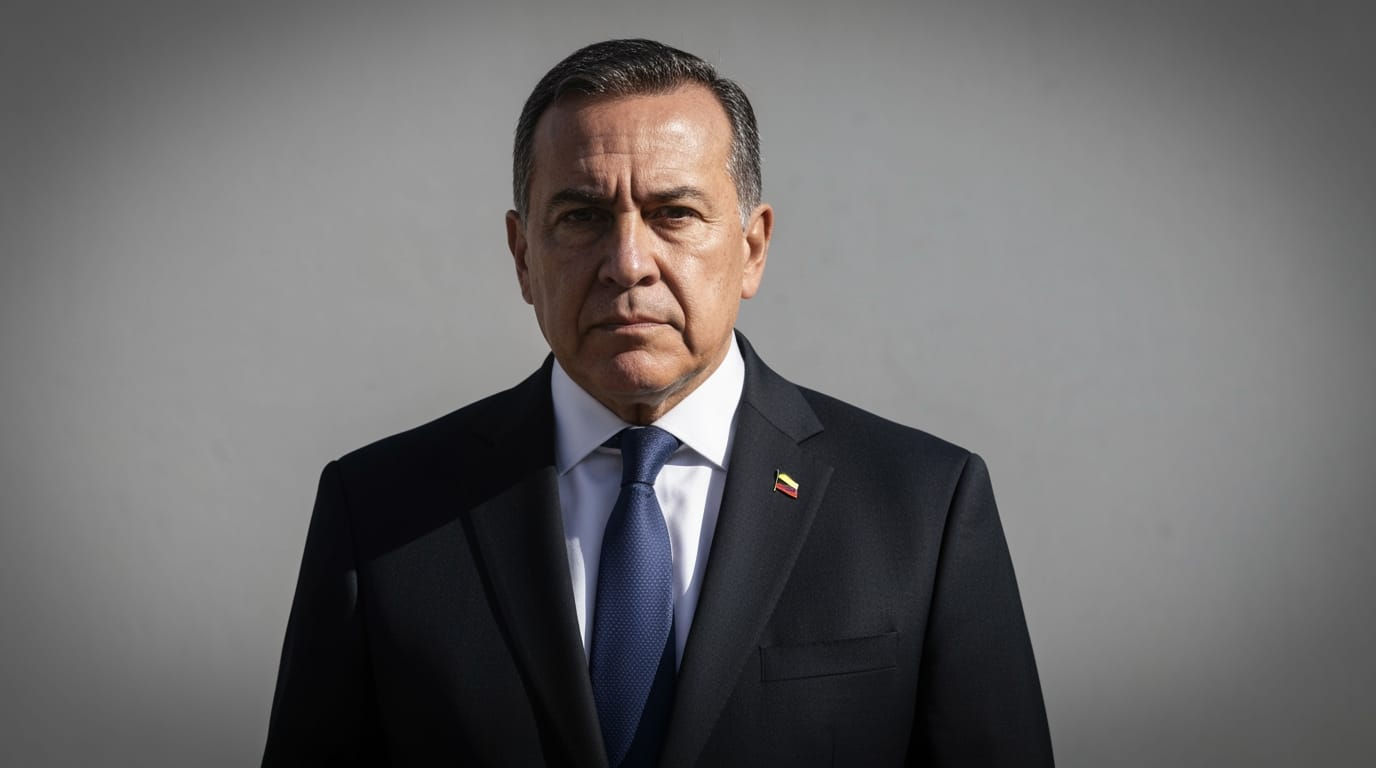
BOGOTÁ, Colombia – Colombia has taken a decisive turn to the political right with the narrow presidential victory of Abelardo De La Espriella, a nationalist lawyer and businessman widely known as "The Tiger." His win against leftist Senator Iván Cepeda marks a significant shift for the Andean nation, ending four years of progressive governance and ushering in an era promising hardline security measures, market-friendly economic policies, and a staunch anti-establishment approach. The razor-thin margin of victory underscores a deeply polarized electorate and signals profound changes for Colombia's internal dynamics and its role on the international stage.
The Roar of the Tiger: A Decisive Electoral Shift
Abelardo De La Espriella, a 47-year-old political outsider who had never held elected office, secured the presidency in a run-off election held on June 21, 2026. Preliminary results indicated De La Espriella garnered approximately 49.65% of the votes, narrowly defeating Iván Cepeda, an ally of outgoing leftist President Gustavo Petro, who received around 48.7%. This difference of roughly 250,000 votes highlights the intense competition and the nation's divided political landscape.
De La Espriella, nicknamed "The Tiger" by his supporters, built his campaign on a tough-on-crime platform and a promise to restore order in a country grappling with illegal armed groups and drug trafficking. Portraying himself as an anti-establishment savior, he resonated with voters frustrated by what he criticized as the outgoing administration's failures in security and economy. His victory signals a return to conservative rule after four years under Gustavo Petro, Colombia's first leftist president.
Hardline Agenda Takes Center Stage
President-elect De La Espriella's proposed policies represent a sharp departure from his predecessor's agenda. Central to his platform is a hardline security strategy that includes ending peace negotiations with armed groups, favoring instead a hardened military response. This directly challenges Petro's "Total Peace" policy, which sought to resolve Colombia's decades-long internal conflict through dialogue and negotiations. De La Espriella has also advocated for the construction of "mega-prisons," drawing comparisons to the controversial security policies implemented by El Salvador's President Nayib Bukele.
Economically, De La Espriella has pledged to reduce the size of the state by as much as 40%, broaden the tax base, and kickstart the economy through increased investment. He plans to revive the oil sector by restarting exploration and allowing fracking, aiming to significantly boost production. These market-friendly policies reflect a broader conservative economic philosophy. His approach to governance, combining a combative style with promises of radical economic reforms, has led to comparisons with figures like Argentina's Javier Milei.
A Nation Divided: Context and Polarization
The electoral contest was intensely polarized, reflecting deep fissures within Colombian society. While De La Espriella’s supporters celebrated his promise of a "new era," outgoing President Gustavo Petro and his ally Iván Cepeda have voiced concerns over the preliminary results, alleging irregularities. Although the country's electoral authority has a history of precision, the narrow margin has fueled political tensions and potentially sets the stage for an institutionally challenging transition period.
The shift to the right in Colombia is part of a broader trend observed across Latin America, where voters are increasingly gravitating towards hardline leaders. Analysts point to widespread concerns over escalating crime, persistent economic uncertainty, and a growing disillusionment with traditional political elites as key drivers behind this regional phenomenon. In Colombia, many voters were reportedly frustrated by persistent inequality and worsening security conditions, despite years of economic growth under previous administrations and the social reforms attempted by Petro. De La Espriella, who presented himself as an outsider, capitalized on this sentiment, promising a decisive break from past governance.
Regional Ramifications and International Alignment
De La Espriella's victory carries significant international implications, particularly for Colombia's relationship with the United States. A known admirer and ally of former U.S. President Donald Trump, De La Espriella received Trump's endorsement during his campaign, and Trump quickly congratulated him on his win. This alignment is expected to usher in a warmer phase in U.S.-Colombia ties, potentially leading to closer cooperation on security, migration, and commerce. Several world leaders, including Italian Prime Minister Giorgia Meloni and Argentinian President Javier Milei, also congratulated De La Espriella, framing his win as part of a wider ideological shift in the region.
This election places Colombia firmly within a wave of right-wing and far-right movements gaining traction across Latin America, from Argentina's libertarian reforms to El Salvador's aggressive anti-gang campaigns. The implications for regional stability and multilateral cooperation remain to be fully seen, but the incoming administration's focus on national interests and a strong security posture suggests a potential realignment of alliances and foreign policy priorities.
Conclusion
Abelardo De La Espriella's ascendancy to the Colombian presidency marks a pivotal moment in the nation's political trajectory. His "Tiger" persona and hardline agenda promise to reshape Colombia's approach to internal conflict, economic development, and international relations. While his supporters anticipate a period of renewed order and prosperity, the narrowness of his victory and the strong opposition from leftist forces underscore the deep divisions that his administration will need to navigate. As De La Espriella prepares to take office on August 7, Colombia stands at the precipice of significant change, with its future direction now firmly steered to the right.


