India's Students Under Siege: A Deep Dive into the Nation's Academic Pressure Cooker
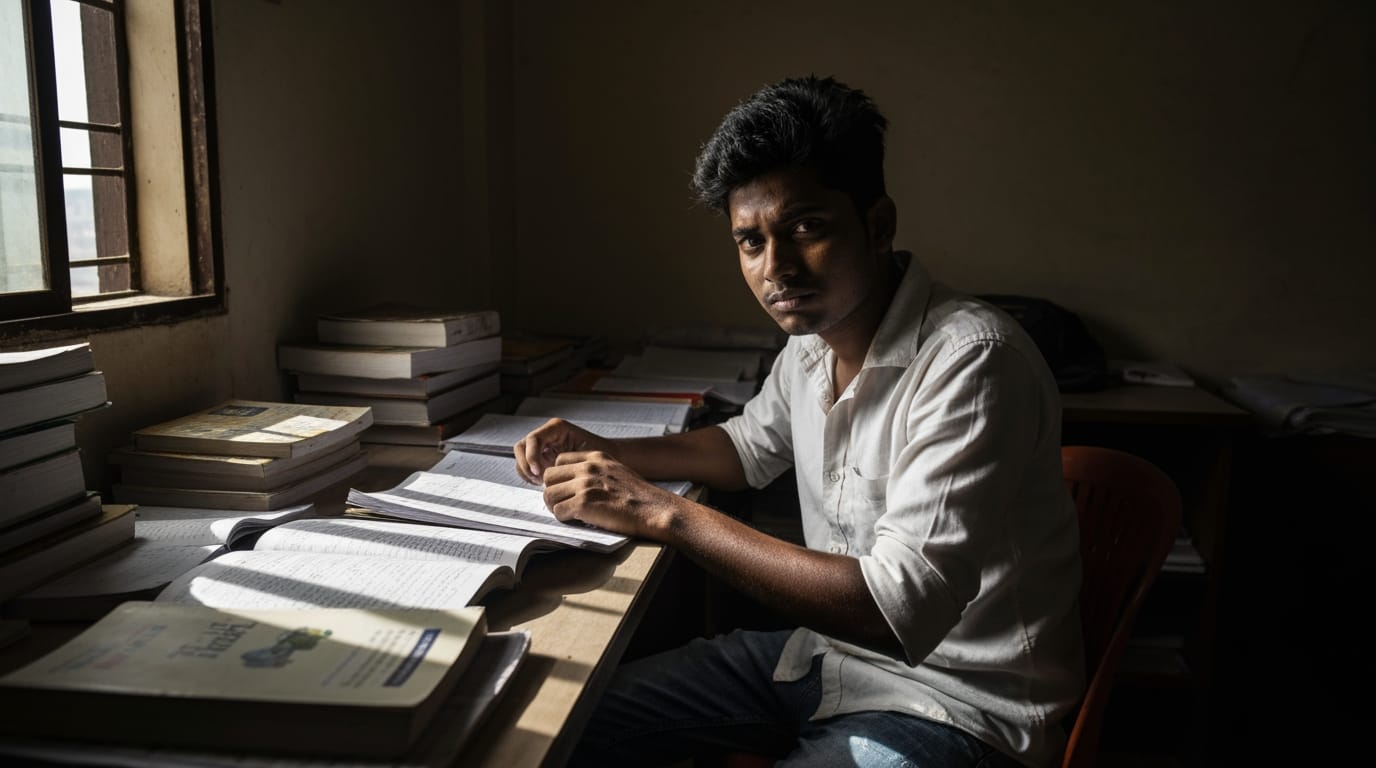
NEW DELHI, India – In a nation celebrated for its youthful demographic and intellectual prowess, a silent crisis is unfolding within India's education system. Millions of students, from pre-teens to young adults, find themselves ensnared in an relentless cycle of academic pressure, driven by hyper-competitive examinations, towering parental expectations, and a burgeoning coaching industry. This intense environment exacts a severe toll on mental health, with alarming rates of stress, anxiety, and tragically, suicide, prompting urgent calls for systemic reform and a reevaluation of the very purpose of education.
The Relentless Race of Competitive Examinations
At the heart of India's student pressure lies an intensely competitive examination system, a gateway to perceived success and societal validation. Exams such as the National Eligibility cum Entrance Test (NEET) for medical admissions, the Joint Entrance Examination (JEE) for engineering, and the Union Public Service Commission (UPSC) exams for civil services, are not merely tests of knowledge but often viewed as life-defining events. Each year, millions of aspirants vie for a minuscule number of seats in prestigious institutions, creating a brutal competition where success is elusive for most. For instance, in a recent year, nearly 2.4 million students competed for just 110,000 available seats in the NEET exam, while over 1.4 million sat for the JEE Mains. This stark imbalance between demand and supply transforms these examinations into high-stakes battles, where a single result can dictate years of preparation and a student's perceived future. The pressure intensifies as students often prepare for these competitive exams concurrently with their high school board examinations, further stretching their capacities.
Parental Aspirations and Societal Scrutiny
Fueling the academic fervor are deeply ingrained parental and societal expectations. Indian parents often harbor significant aspirations for their children, with a strong emphasis on achieving successful careers, particularly in fields like engineering and medicine. A 2015 study revealed that 91% of Indian parents desired their children to achieve at least an undergraduate degree, with 88% aiming for a master's or higher, a significantly higher percentage than in many Western countries. This emphasis often stems from a desire for upward mobility and the belief that a child's academic and professional achievements reflect family honor and social status. While parental expectations can act as a motivator, excessive pressure can lead to children feeling their self-worth is solely tied to academic success, fostering a profound fear of failure and disappointing their families. Many Indian children report feeling their lives are pre-planned by parents, leaving little room for personal choices, which can lead to frustration and identity crises. This collective societal push for academic excellence, coupled with peer comparison, creates an environment where students often feel they are in a constant, silent rivalry with their classmates.
The Shadow Economy of Coaching Centers
The intense competitive landscape has given rise to a parallel "shadow education" system: the omnipresent coaching industry. These coaching centers promise to unlock the secrets to competitive exam success, attracting millions of students and substantial financial investment from families. Many students attend extra tuition after school for key exams, with two-thirds of Indian students now doing so. Kota, in Rajasthan, has emerged as a notorious coaching hub, drawing approximately 200,000 students annually to prepare for JEE and NEET. This industry, while offering perceived advantages, further intensifies pressure. Coaching centers contribute to the financial burden on families, who spend significant portions of their income on these supplementary classes. Some students even take "dummy admissions" in regular schools while primarily focusing on coaching, highlighting how these centers have become central to their educational journey. The competitive nature within coaching centers, where students are often batched by competency, can also create additional stress and a relentless focus on ranks over genuine learning.
The Grave Toll on Mental Well-being
The cumulative effect of these pressures has manifested in a severe and escalating mental health crisis among Indian students. Surveys indicate a staggering 81% of students experience anxiety related to academic performance and exams. Studies reveal that approximately 23-24% of schoolchildren face diagnosable mental health issues, with 7.3% of adolescents aged 13-17 dealing with psychiatric conditions. A 2025 study found that a majority of higher education students exhibited moderate to high levels of anxiety (69.9%), depression (59.9%), and distress (70.3%). The most tragic consequence is the alarming rate of student suicides. In 2023, over 13,000 students across India died by suicide, averaging more than 35 deaths each day. This figure represents an approximate 65% increase over the past decade, outpacing the overall rise in suicide deaths in the country. Academic stress is identified as a significant contributor to these suicides, with over 60% of student suicides linked to academic pressure and fear of failure. Despite the urgency of the situation, mental health awareness and support remain critically low in India, with only about 1% of the health budget allocated to mental health and a severe shortage of school psychologists and counselors.
Calls for Reform and Shifting Tides
Recognizing the gravity of the situation, there are growing calls for comprehensive reform within India's education system. The National Education Policy (NEP) 2020 aims to reduce student stress and move away from rote learning, though its implementation is ongoing. Efforts are underway to integrate emotional intelligence and self-awareness training into school curriculums to build resilience. There is a push to prioritize mental health by making counseling and emotional support more accessible and to foster a culture where students are valued for their growth, not just their grades. Political figures have also highlighted the issue, with calls to rebuild the education system to alleviate pressure and reduce the financial burden on families. Indian universities have been urged to prioritize student mental health, with new guidelines requiring them to strengthen support systems, including counseling services and wellness centers, and to train staff for early intervention. While challenging, these reforms aim to shift the educational paradigm from an "extortion machine" focused solely on competitive success to a nurturing environment that respects students' diverse aspirations and well-being.
The intense pressure on Indian students is a complex issue, woven into the fabric of academic competitiveness, societal expectations, economic realities, and the very structure of the education system. While individual resilience is often lauded, the mounting mental health crisis underscores the urgent need for a collective societal introspection and systemic overhaul. Fostering an environment that values holistic development, critical thinking, and emotional well-being over relentless competition is paramount to safeguarding the future of India's most valuable asset: its youth.


