Crisis-Stricken Lebanon Grapples with War, Economic Ruin, and Elusive Peace
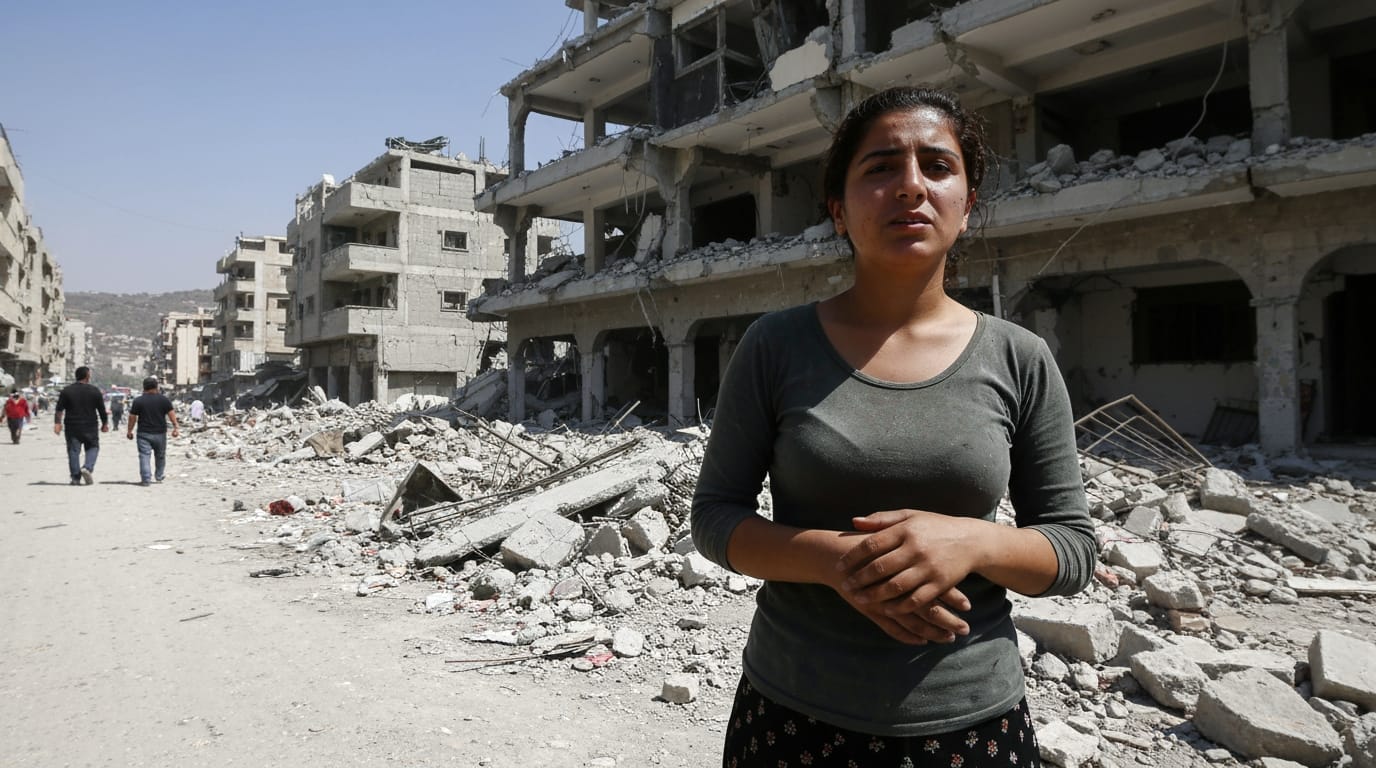
BEIRUT – Lebanon, a nation long accustomed to geopolitical tremors, finds itself ensnared in a devastating "lose-lose" cycle of conflict and unprecedented economic collapse. An ongoing war with Israel, reignited in March 2026, has plunged the country into a severe humanitarian crisis, displacing over a million people and exacerbating a financial meltdown that began in 2019. The multifaceted challenges, rooted in decades of internal strife and external interference, present a formidable barrier to any sustainable path toward stability and recovery.
The Spiral of Renewed Conflict
The current escalation marks a resumption of major fighting in the Hezbollah–Israel conflict, which intensified in late 2023 as part of a wider Middle East conflict. Since March 2, 2026, Israeli forces have engaged in ground operations and airstrikes across Lebanon, particularly in the south, leading to widespread destruction and significant casualties among both militants and civilians. Over 4,000 people have reportedly died from Israeli strikes in Lebanon, and more than one million, representing over 20% of the country's population, have been forcibly displaced. Entire neighborhoods have been reduced to rubble, evoking comparisons to other war-torn regions. The conflict has prompted a still-developing humanitarian crisis, with hundreds of thousands seeking refuge in overwhelmed shelters or makeshift accommodations. The United Nations has launched a flash humanitarian appeal for $308.3 million to support affected civilians, emphasizing the urgent need for an immediate ceasefire to allow aid to reach those most in need.
A Decades-Long Economic Quagmire Deepens
The renewed conflict compounds an economic crisis that has gripped Lebanon since October 2019, consistently ranking among the world's most severe financial meltdowns. The crisis began with the imposition of de facto capital controls by the Central Bank, leading to the rapid depreciation of the Lebanese pound, rampant inflation, widespread business closures, and soaring unemployment. The national currency's value plummeted by over 90%, fueling hyperinflation and making basic goods unaffordable for a vast majority of the population. The World Bank has described this crisis as one of the top three global crises since the mid-19th century, with real GDP shrinking drastically from $55 billion in 2018 to $20.5 billion in 2021. Over 70% of the Lebanese population now lives in multidimensional poverty. Decades of fiscal mismanagement, entrenched clientelism, and a banking system likened to a Ponzi scheme are cited as root causes, exacerbated by external shocks like the COVID-19 pandemic and the catastrophic Beirut port explosion in August 2020. The economic devastation has triggered a significant brain drain, as skilled professionals emigrate in search of opportunities, further hindering any prospect of recovery.
Hezbollah's Enduring Influence and Regional Dynamics
Central to Lebanon's complex predicament is the role of Hezbollah, a powerful Shiite Muslim organization that operates as both a militant group and a political party, while also providing social welfare services. Established in the early 1980s with Iranian support to counter Israeli occupation, Hezbollah maintained its arms after the 1975-1990 Lebanese Civil War, ostensibly to continue its resistance against Israel. The group gained significant prestige for its role in resisting Israeli forces, particularly during the 2006 Lebanon War. Despite being designated a terrorist organization by several Western countries, Hezbollah wields significant political influence within Lebanon, forming coalitions and holding seats in government.
Hezbollah's deep ties with Iran and its involvement in regional conflicts, such as supporting the Assad regime in the Syrian Civil War, position it as a key player in the broader "axis of resistance" against Israel. This dual identity—as a national resistance movement and a powerful, Iranian-backed non-state actor—creates a profound challenge to Lebanese state sovereignty. Efforts to disarm Hezbollah, a critical component of international proposals for peace and state strengthening, have consistently met with resistance from the group, which views its arsenal as a necessary defense against Israel. The Lebanese government's attempts to assert a monopoly on military force have been complicated by Hezbollah's entrenched position and its refusal to relinquish weapons under external pressure.
A Nation Fractured: Internal Divisions and Governance Paralysis
Lebanon's sectarian political system, a legacy of its civil war, contributes significantly to its governance paralysis and inability to navigate the current crises. Power-sharing agreements often result in weak, politically divided governments plagued by infighting and corruption. The absence of a sitting president due to ongoing political stalemates exemplifies the leadership vacuum. These internal divisions prevent unified action, even on critical issues like implementing ceasefire agreements or initiating economic reforms. Efforts by the Lebanese government to initiate negotiations with Israel or address Hezbollah's disarmament are frequently undermined by deep-seated disagreements within the country. The economic collapse has also led to a loss of public trust in institutions, with many Lebanese perceiving their political class as unresponsive and ineffective. This environment of distrust and political fragmentation creates fertile ground for instability and makes it difficult to forge a national consensus on a way forward.
International Efforts Amidst a Looming Humanitarian Catastrophe
The international community has stepped up humanitarian aid, with countries like Qatar and members of the European Union pledging significant funds for urgent relief and long-term recovery. Qatar, for instance, pledged $100 million in urgent aid and an additional $434.2 million for energy and healthcare recovery. The EU announced a €100 million aid package and activated its Emergency Preparedness Trust Fund to deliver essential supplies. However, these efforts primarily address immediate needs while the underlying conflict remains unresolved.
Diplomatic efforts to secure a lasting peace have focused on a comprehensive ceasefire, strengthening the Lebanese government's authority, and disarming militias. The mandate of the UN Interim Force in Lebanon (UNIFIL), which has been present in southern Lebanon for decades, is set to expire, raising concerns about a power vacuum. Discussions are underway regarding a post-UNIFIL security arrangement, with some European nations advocating for a continued military presence. However, the United States has shifted security talks to a different channel, highlighting the complexities and divergent interests among international actors. The challenge remains isolating Hezbollah while empowering a weak Lebanese state, a task made more difficult by the group's deep societal roots and military capabilities.
Lebanon faces a critical juncture, with its future hanging precariously between further conflict and the daunting prospect of profound, systemic change. The interconnected crises—war, economic collapse, and political paralysis—threaten to unravel the social fabric of the nation and condemn another generation to despair and displacement. Without a concerted and unified effort, both internally and internationally, to address the core issues of state sovereignty, economic reform, and regional stability, Lebanon's lose-lose scenario may tragically persist.


