Colossal Squid Filmed Alive in Natural Habitat for First Time
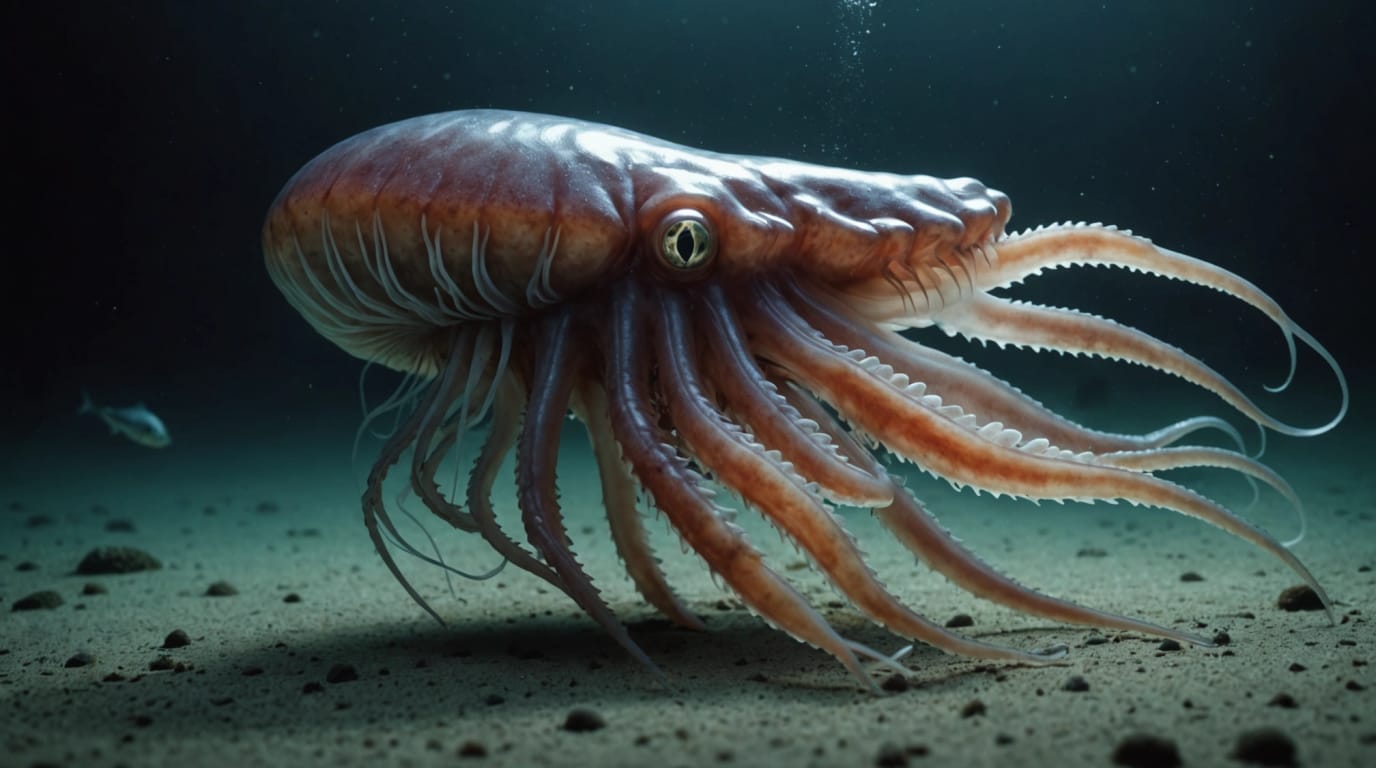
Marine researchers have captured the first-ever footage of a colossal squid swimming freely in its natural environment, nearly a century after the species was initially identified. The elusive deep-sea creature, the world's largest invertebrate, was filmed by a team aboard the Schmidt Ocean Institute's research vessel Falkor (too) during an expedition in the South Atlantic Ocean. This unprecedented sighting offers a rare glimpse into the life of an animal that has largely remained a mystery to science.
A Century of Mystery
The colossal squid (Mesonychoteuthis hamiltoni) was formally described by biologists in 1925, but until now, scientists have primarily studied the species through specimens found in the stomachs of whales or those accidentally caught by fishing boats. Very little is known about the giant squid's life cycle, behavior, or distribution. The recent footage marks a significant breakthrough in understanding this enigmatic creature.
Encounter in the Deep
On March 9, the research team deployed a remotely operated vehicle (ROV) named SuBastian near the South Sandwich Islands, a volcanic archipelago located between the tip of South America and Antarctica. At a depth of approximately 2,000 feet (600 meters), the ROV encountered a juvenile colossal squid, estimated to be around 11 inches (30 centimeters) long. The ROV, equipped with high-definition cameras, captured the first confirmed video of the squid swimming in its natural habitat.
Juvenile Features
The filmed squid was a juvenile, still transparent due to its young age. As it matures, the colossal squid can grow to enormous sizes, reaching up to 33 feet (10 meters) in length and weighing nearly 1,100 pounds (500 kilograms). This makes it the largest invertebrate on Earth. One of the distinctive features of the colossal squid is the presence of rotating hooks on its arms, which differentiate it from other squid species.
Scientific Significance
"It's exciting to see the first in situ footage of a juvenile colossal and humbling to think that they have no idea that humans exist," said Kat Bolstad, a professor and researcher at the Auckland University of Technology in New Zealand, who verified the squid footage. Bolstad noted that for a century, colossal squid had only been encountered as prey remains in whale and seabird stomachs and as predators of harvested toothfish. The footage provides valuable insights into the squid's behavior and morphology in its natural environment.
Schmidt Ocean Institute's Discoveries
The Schmidt Ocean Institute, a non-profit organization dedicated to advancing ocean research, has been at the forefront of deep-sea exploration. In January, the same research team captured the first-ever footage of the glacial glass squid (G. glacialis) off the coast of Antarctica. "These back-to-back sightings of two rare squid species underscore just how much of our oceans remain unexplored," said Jyotika Virmani, Executive Director of the Schmidt Ocean Institute. "The ocean continues to reveal its wonders, and we are only just beginning to understand the diversity that lies beneath."
Implications for Marine Research
The footage of the colossal squid highlights the importance of continued deep-sea exploration and research. With advanced technologies like ROVs, scientists can now observe marine life in their natural habitats, gaining valuable data that was previously unattainable. These discoveries can inform conservation efforts and help us better understand the complex ecosystems of the deep ocean.
A Glimpse into the Unknown
The first-ever footage of a colossal squid swimming in the deep ocean is a remarkable achievement that sheds light on one of the most elusive creatures on Earth. As scientists continue to explore the ocean's depths, we can expect more exciting discoveries that will deepen our understanding of the marine world. This recent sighting serves as a reminder of the vast unknown that lies beneath the surface and the importance of protecting our oceans and their inhabitants.


