Court Rejects Indictment of Former Valencia Leader Over Deadly 2024 Floods, Reigniting Accountability Debate
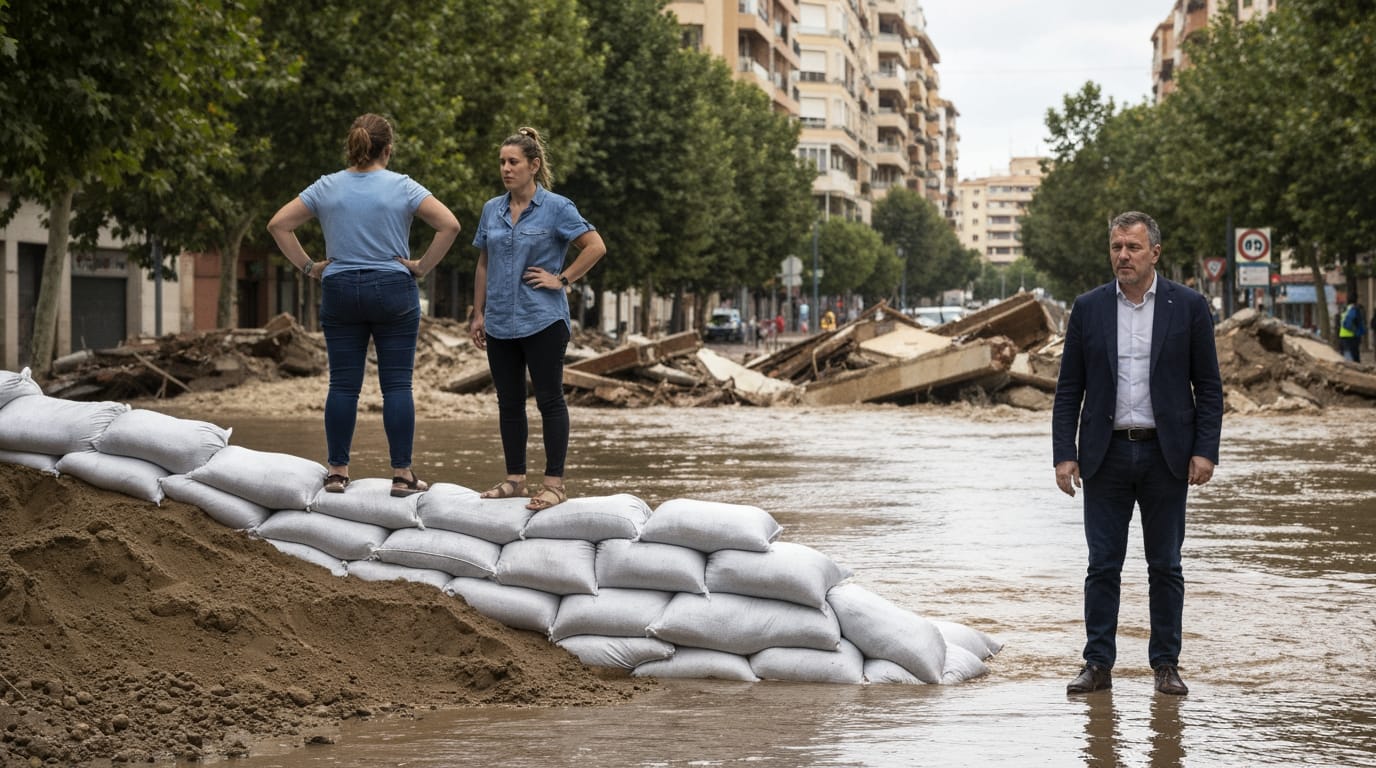
VALENCIA, SPAIN – A Spanish court on Monday rejected a move to indict Carlos Mazón, the former regional president of Valencia, over his administration's handling of the catastrophic floods that claimed at least 230 lives in October 2024, a decision that has intensified public debate regarding official accountability in natural disasters. The Superior Court of Justice of Valencia ruled there was insufficient evidence to pursue criminal charges, specifically citing that emergency management laws do not explicitly assign specific duties to the regional president. This ruling comes more than a year after the devastating event and despite an earlier recommendation from an investigating judge to try Mazón for negligence.
The Court's Decision and Legal Nuances
The recent decision by the Superior Court of Justice of Valencia effectively halts the immediate path to trial for Mazón, a prominent member of the conservative Popular Party (PP). The court's panel of judges concluded that the existing emergency management legislation does not delineate precise responsibilities for the regional president in disaster scenarios, thus finding no legal violation on Mazón's part that would warrant an indictment. This legal interpretation underscores the complexities of prosecuting high-ranking officials in the aftermath of a crisis.
The ruling stands in contrast to the earlier position taken by Judge Nuria Ruiz Tobarra, who had been leading the investigation into the regional government's response. Judge Tobarra had previously recommended that Mazón face trial for negligence, asserting that his choice to "retreat to a private dining room when faced with an extremely serious situation" was "a decisive factor in the deadly human toll". Her referral of the case to the higher court was necessitated by Mazón's status as a member of the regional parliament, which afforded him special legal protections. While the court's decision can be appealed, and Judge Tobarra's broader investigation is permitted to continue, the rejection of an indictment against Mazón highlights the significant legal hurdles in establishing criminal culpability for public officials during emergency situations.
The October 2024 Deluge: A Region Overwhelmed
The context for these legal proceedings is the horrific flash floods that struck Valencia and other parts of eastern, central, and southern Spain on October 29, 2024. Torrential rains, amounting to a year's worth of precipitation in just a few hours, caused the Poyo ravine, typically dry, to overflow its banks, unleashing a torrent of water that inundated numerous towns and villages. The disaster resulted in the deaths of approximately 230 people, with thousands of homes and vehicles destroyed or severely damaged. It marked Spain's deadliest natural disaster in a generation.
Criticism of the official response began almost immediately, focusing on a significant delay in issuing emergency alerts. Despite the Spanish meteorological institute issuing the highest possible warning for rain hours before the peak of the floods, and rising water levels being observed by 5 p.m., the first general public warning via mobile phones was not dispatched until 8:11 p.m.. By this time, many areas of Valencia were already submerged, and much of the tragedy had already unfolded. Eyewitness accounts painted a grim picture, with one individual describing watching bodies float past while perched in a tree. This delay in communication became a central point of contention in the subsequent investigations and public protests.
Mazón's Conduct and the Public's Fury
Carlos Mazón, who served as regional president during the disaster, faced intense scrutiny and widespread condemnation for his actions on the day of the floods. Reports indicated that while the crisis was unfolding, Mazón was at a prolonged lunch with a journalist, only arriving at the emergency coordination center after 7 p.m.. He was also criticized for an early social media post that downplayed the severity of the storm, which he later deleted. Further compounding the public's anger was the revelation that Salomé Pradas, Mazón's appointed official in charge of emergencies, reportedly lacked prior experience or knowledge in disaster management, and testified that discussions about issuing a public alert only began around 7 p.m.. Mazón subsequently fired Pradas a month after the floods.
The public's outrage manifested in large-scale protests across Valencia. Tens of thousands of citizens took to the streets, demanding Mazón's resignation and accusing his administration of negligence and ineptitude. Families of victims voiced their anguish, reportedly shouting "murderer" and "coward" when Mazón attended a state funeral for the victims a year later. Mazón initially admitted that mistakes were made but resisted calls to step down, attributing the scale of the disaster to its "unprecedented" and "apocalyptic" nature. However, the mounting pressure eventually led to his resignation in November 2025. He also attempted to deflect some blame, suggesting that the socialist-led central government bore responsibility for delayed assistance and coordination issues.
Broader Implications for Official Accountability
The court's decision in Valencia underscores a recurring challenge in holding high-ranking officials criminally liable for their roles in disaster responses. Legal experts and civil society organizations have frequently highlighted the difficulty of establishing a direct causal link between official actions (or inactions) and the tragic consequences of natural catastrophes, especially when legal frameworks lack explicit duties for particular offices. Similar cases in Spain, following severe floods in other regions like Catalonia and Andalusia, have often seen courts decline to summon high-ranking officials, citing insufficient evidence or a lack of direct connection to the disasters' outcomes.
This pattern raises questions about the transparency and effectiveness of the judicial system in ensuring accountability for government agencies' responses to crises. For many citizens, such rulings can erode trust and fuel dissatisfaction, particularly when their experiences contradict legal interpretations of responsibility. The Valencia case thus becomes a poignant example of the ongoing tension between legalistic interpretations of duty and the public's demand for clear, unambiguous accountability from those in power during moments of profound crisis.
Conclusion: Questions Remain Amidst Legal Closure
The Superior Court of Justice of Valencia's decision to reject the indictment of former regional president Carlos Mazón closes one chapter in the legal fallout from the devastating 2024 floods but leaves open profound questions about leadership responsibility and public trust. While the court found no explicit legal basis for criminal charges under existing emergency laws, the human cost of the disaster and the acknowledged delays in the official response continue to resonate deeply within the affected communities. The ruling highlights the complex intersection of legal statutes, political leadership, and the unpredictable forces of nature. As Spain, like many other nations, confronts the increasing frequency and intensity of extreme weather events, the mechanisms for ensuring clear accountability and effective disaster management will likely remain at the forefront of public and political discourse. The legacy of the Valencia floods will undoubtedly continue to shape discussions on how public institutions prepare for and respond to future crises, and whether legal frameworks are sufficiently robust to address the challenges of a changing climate.


