Cuba Plunged into Darkness: Island-Wide Blackout Amid Intensified U.S. Oil Sanctions
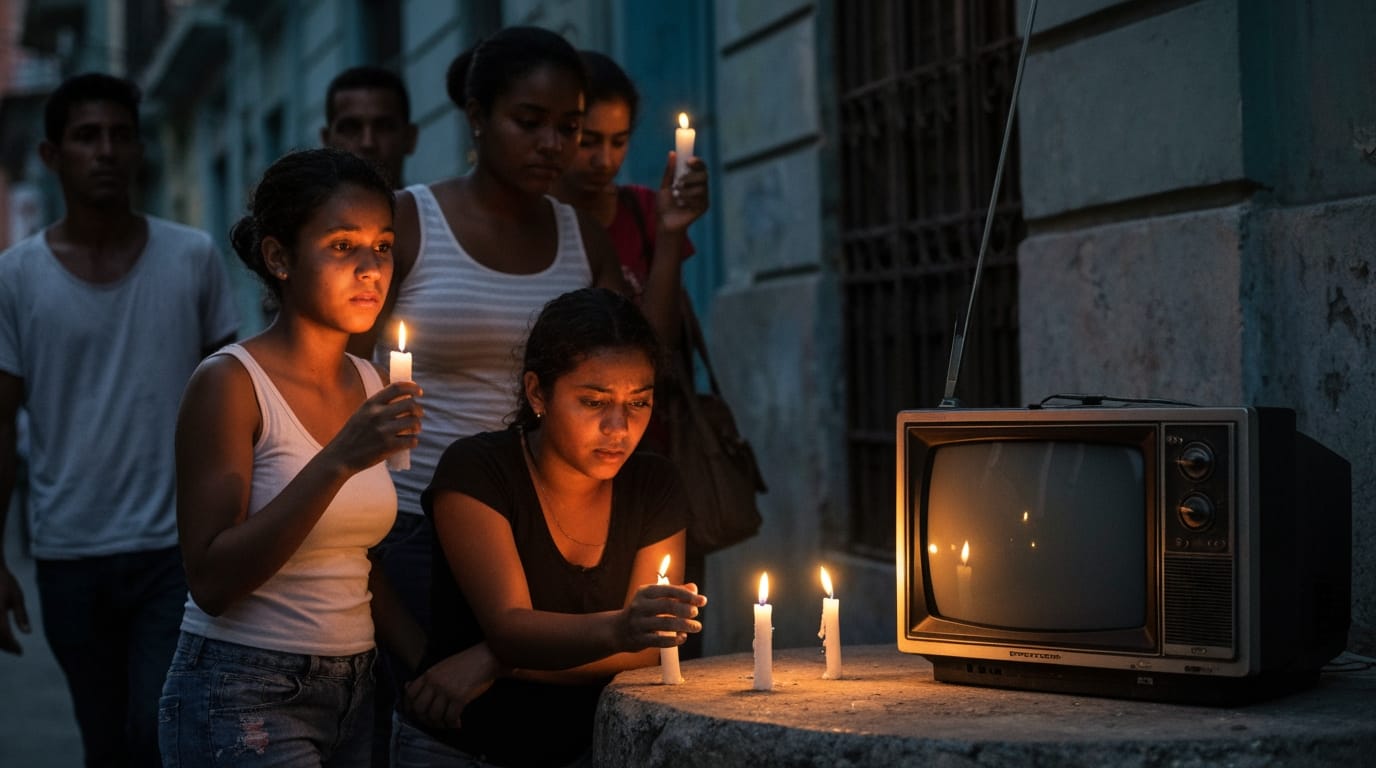
HAVANA – Cuba was gripped by a widespread, island-wide power outage this week, plunging millions into darkness and further exacerbating an already dire energy crisis attributed by Havana to the persistent and intensified U.S. "energy blockade" stemming from the Trump administration's policies. The blackout, which disconnected the entire national electrical grid, underscores the fragility of the nation's aging infrastructure amidst severe fuel shortages, leaving citizens to contend with immediate disruptions to daily life and highlighting the profound humanitarian implications of geopolitical tensions.
The Darkness Descends Across the Island
The extensive power failure, reported on Monday, March 16, 2026, left virtually all of Cuba, a nation of some 11 million people, without electricity. Havana, typically a bustling capital, fell silent as homes and businesses went dark. The state electric utility, Union Electrica (UNE), indicated that the immediate cause was an unexpected outage at the Antonio Guiteras thermoelectric plant, located approximately 100 kilometers east of Havana. This critical plant, one of the country's largest, experienced a boiler malfunction, forcing it offline and triggering a cascading failure across the national grid. The incident cut electricity from the western province of Pinar del Rio to the central-eastern Camaguey province, with only the far eastern provinces initially retaining power before a complete disconnection. Restoration efforts for the Guiteras generating station could reportedly take several days, focusing on repairing a malfunction in the boiler's superheater and other leaks. For many Cubans, the consequences were immediate, halting essential services, disrupting communication, and leaving communities reliant on generators or alternative power sources where available.
Roots of the Crisis: The Trump-Era Blockade
Cuban officials, including President Miguel Díaz-Canel, have squarely blamed the United States' "energy blockade" for deepening the country's economic and energy woes. The current crisis is a direct consequence of a significant tightening of U.S. sanctions against Cuba, primarily initiated during the Trump administration and continuing to exert pressure. These measures were largely aimed at curtailing oil shipments to the island, particularly from its main supplier, Venezuela. In 2019, the Trump administration ramped up economic sanctions, targeting shipping companies and vessels involved in transporting Venezuelan oil to Cuba. The U.S. Department of the Treasury designated Cubametales, Cuba's state-run oil import and export company, in July 2019 for its continued importation of oil from Venezuela. U.S. officials argued these actions were necessary to pressure Cuba to cease its support for the Maduro regime in Venezuela, accusing Cuba of providing intelligence and security assistance in exchange for oil.
President Trump also issued executive orders threatening tariffs on any country that supplied oil to Cuba, effectively creating a powerful disincentive for other potential suppliers. These actions led to a drastic reduction in Cuba's oil imports, which plummeted to near zero at certain points. While Cuba produces about 40% of its petroleum, it remains heavily reliant on imports, making it highly vulnerable to such blockades. The halt of critical oil shipments from Venezuela, particularly after U.S. actions against the South American country in early 2026, further exacerbated the scarcity, with reports indicating Cuba had not received oil shipments for more than three months.
A Nation Under Strain
The ongoing energy crisis has permeated nearly every aspect of Cuban life, pushing the nation into its worst economic downturn in decades. Fuel scarcity has forced the government to implement rationing across various key services, including trash collection and public transportation. In sectors like agriculture, oxen have replaced tractors in sugarcane fields, and some bakeries resort to using firewood for ovens, reminiscent of the "Special Period" following the collapse of the Soviet Union.
The humanitarian impact is profound. Hospitals and healthcare services face immense strain; President Díaz-Canel reported that tens of thousands of surgeries have been postponed due to the lack of fuel. Critical medical supplies, including painkillers, gauze, and antibiotics, have become scarce. Water delivery, sanitation, and food supplies are also severely affected, leading to widespread shortages and rising food prices, as Cuba imports 80% of its food. The United Nations has warned of an "increasingly severe impact on the human rights of the people of Cuba" from the loss of essential services and anticipates a humanitarian collapse if oil needs are not met. Even air travel has been impacted, with Cuba suspending refueling services for international airlines due to jet fuel shortages, causing some carriers to suspend routes to the island.
Havana's Resilience and Growing Frustration
Cubans, accustomed to periodic blackouts and economic hardships, often face these challenges with a practiced resilience. Many in Havana took the recent widespread outage in stride, with some traffic lights and businesses remaining operational due to solar panels or generators. However, the protracted nature of the crisis and its intensifying effects have begun to fray public patience. The recent blackout briefly took Cuban state television off the air, with a delayed news broadcast explaining the situation to a cut-off public. The inability to communicate or access information compounds the frustration for many.
Recent months have seen growing public discontent, manifesting in traditional forms of protest such as "cacerolazos," where residents bang pots and pans. Videos circulated on social media depicting such acts in Havana and other cities, reflecting mounting frustration over electricity outages, food scarcity, and deteriorating living conditions. Blackouts have previously ignited anti-government demonstrations in recent years, including in 2021, 2022, and 2024, signaling a potential shift from stoic endurance to more overt expressions of grievance.
An Uncertain Future Amidst Diplomatic Chill
The island-wide blackout and the deeper energy crisis it represents highlight the profound challenges facing Cuba. Decades of U.S. sanctions have contributed to a lack of investment in power generation and the electrical grid, leaving the infrastructure vulnerable. The U.S. government eased some financial sanctions against companies that serve Cuban interests without direct links to the government in 2024, but the overall posture remains one of "total pressure." While President Díaz-Canel confirmed that Cuba was engaged in talks with the U.S. government regarding its deepening problems, the path forward remains uncertain. The immediate priority for Cuban authorities is to restore the national electrical system and mitigate the humanitarian impact, but the long-term solution remains intertwined with the complex and often contentious relationship between Havana and Washington.


