Deadly Blaze Engulfs Odisha Hospital ICU, Claiming Ten Lives Amidst Urgent Evacuations
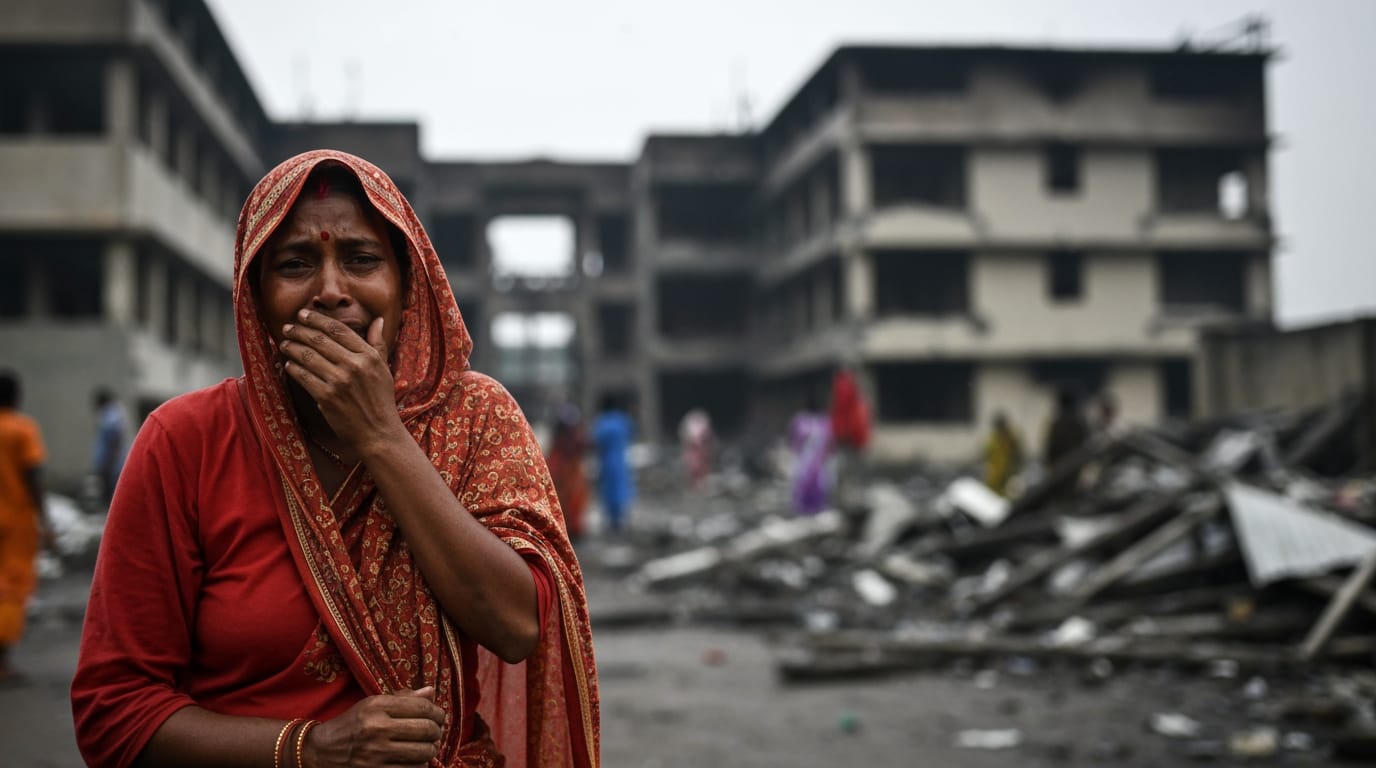
Cuttack, Odisha – A devastating fire tore through the Trauma Care Intensive Care Unit (ICU) of the state-run SCB Medical College and Hospital in Cuttack in the early hours of Monday, March 16, 2026, resulting in the tragic deaths of at least ten critically ill patients. The pre-dawn inferno, suspected to have originated from an electrical short circuit, plunged the hospital's first floor into chaos, prompting a desperate scramble by medical staff and emergency responders to evacuate vulnerable patients. The incident has cast a somber light on fire safety protocols in healthcare facilities across India, triggering immediate investigations and renewed calls for stringent adherence to safety norms.
The Terrifying Outbreak and Harrowing Rescue Efforts
The alarm was first raised around 2:30 AM to 3:00 AM as flames and thick, acrid smoke began to fill the trauma care ICU on the first floor, where 23 patients were undergoing treatment. The blaze is believed to have been triggered by an electrical short circuit, potentially within the unit's air conditioning system or other critical medical equipment, rapidly escalating the danger for patients who were largely immobile and dependent on life support.
Eyewitness accounts describe a scene of immense difficulty and courage, as hospital staff, security personnel, and eventually firefighters worked against time to rescue those trapped. The smoke, laden with toxic fumes, quickly spread throughout the ICU and to adjacent areas, significantly hampering rescue operations. Many of the deceased were critically ill and on oxygen support, succumbing to suffocation during the arduous process of being shifted to safer locations. Initial reports confirmed that seven patients died during the immediate evacuation, with three more succumbing to their injuries after being transferred to other intensive care units. In a testament to their dedication, at least eleven hospital staff members sustained burn injuries or suffered from smoke inhalation while heroically attempting to save patients, with officials commending their life-risking efforts. Fire tenders from nearby stations, some just a few hundred meters away, arrived on the scene, though initial reports suggest a delay in the notification. Firefighters managed to bring the flames under control relatively quickly, but the pervasive smoke had already inflicted its deadly toll.
Unraveling the Lapses in Fire Safety
Preliminary investigations into the Cuttack hospital tragedy have begun to uncover critical deficiencies in fire safety measures, echoing concerns raised in previous similar incidents across the country. One of the most immediate and alarming findings points to the failure of the hospital's sprinkler system to activate during the fire. Furthermore, questions have been raised about the timing of the alert sent to the fire brigade. While the fire reportedly broke out around 2:35 AM, the fire services received the call at 2:58 AM, indicating a delay that could have been crucial in mitigating the crisis, especially given the rapid spread of smoke.
Hospitals in India are mandated to adhere to a comprehensive set of fire safety regulations, including provisions outlined in the National Building Code of India (NBC), Bureau of Indian Standards (BIS) codes, and specific state fire department No-Objection Certificates (NOCs). These regulations cover everything from fire-resistant construction materials and emergency exits to the installation of detection and suppression systems, and the implementation of robust evacuation plans. However, the Cuttack incident, much like other hospital fires in recent years—such as the devastating SUM Hospital fire in Bhubaneswar in 2016 which claimed over 20 lives—underscores a recurring pattern of non-compliance and inadequate enforcement. The suspected cause of the current fire, an electrical short circuit, is a common culprit in such incidents in India, often attributed to poorly maintained wiring or overloaded systems, highlighting a systemic vulnerability in infrastructure.
Swift Official Response and Call for Accountability
Odisha Chief Minister Mohan Charan Majhi promptly visited the SCB Medical College and Hospital following the tragic incident, expressing profound sorrow over the loss of life. He announced a judicial inquiry into the fire, vowing strict action against any individuals found responsible for negligence or lapses in safety protocols. In a gesture of support for the victims' families, the Chief Minister also declared a compensation of ₹2.5 million for each of the deceased patients.
Beyond the immediate probe, Chief Minister Majhi issued a directive to the Director General of Police, instructing a thorough examination of fire prevention measures at the SCB Medical College Hospital, with a mandate to ensure comprehensive fire-proof compliance. This decisive response signals a governmental commitment to addressing the systemic issues that contribute to such preventable tragedies. The National Human Rights Commission (NHRC) has historically taken cognizance of such incidents, demanding reports and pushing for accountability, further intensifying the pressure on authorities to implement lasting changes.
The Broader Crisis of Hospital Fire Safety
The Cuttack hospital fire serves as a stark reminder of the persistent and critical challenges surrounding fire safety within India's healthcare infrastructure. Hospitals, by their very nature, house a population that is uniquely vulnerable during emergencies. Patients in ICUs, those on ventilators, or individuals with mobility impairments cannot self-evacuate and rely entirely on functional safety systems and trained staff. The combination of high electrical loads to power medical equipment, the storage and use of flammable materials like oxygen cylinders, and sometimes older building structures, creates an inherently high-risk environment.
Despite the existence of robust regulatory frameworks, including the National Building Code of India and specific guidelines from bodies like the National Accreditation Board for Hospitals & Healthcare Providers (NABH), implementation often falls short. Regular fire risk assessments, maintenance of electrical systems, functional fire detection and suppression equipment (like sprinklers and alarms), and frequent staff training on evacuation procedures are crucial yet frequently overlooked elements. The lack of proper fire exits, blocked passages, and inadequate signage further compound the dangers, turning what could be contained incidents into mass casualty events. This recurring pattern points to a need for not just regulations, but rigorous and continuous oversight, coupled with significant investment in upgrading existing infrastructure and ensuring that mock drills are conducted regularly to prepare staff for real-life emergencies.
A Recurring Tragedy Demanding Lasting Solutions
The tragic loss of ten lives at SCB Medical College and Hospital in Cuttack is a profound human tragedy that underscores an urgent national imperative for comprehensive reform in hospital fire safety. While investigations will pinpoint specific failures in this instance, the broader narrative points to a systemic vulnerability in India's healthcare facilities that demands immediate and sustained attention. The human cost of such incidents—the trauma to patients, their families, and dedicated healthcare workers—is immeasurable.
To prevent future recurrences, a multi-pronged approach is essential. This includes stricter enforcement of existing fire safety codes, mandatory and regular fire audits by independent agencies, substantial investment in modernizing hospital infrastructure to meet contemporary safety standards, and continuous, rigorous training for all hospital personnel in emergency response and patient evacuation. Only through a concerted effort that prioritizes patient safety above all else can India hope to avert such heartbreaking and preventable tragedies in its hospitals.


