Crisis Unfolds: Dire Conditions and Hunger Strikes Ignite Protests at New Jersey ICE Facilities
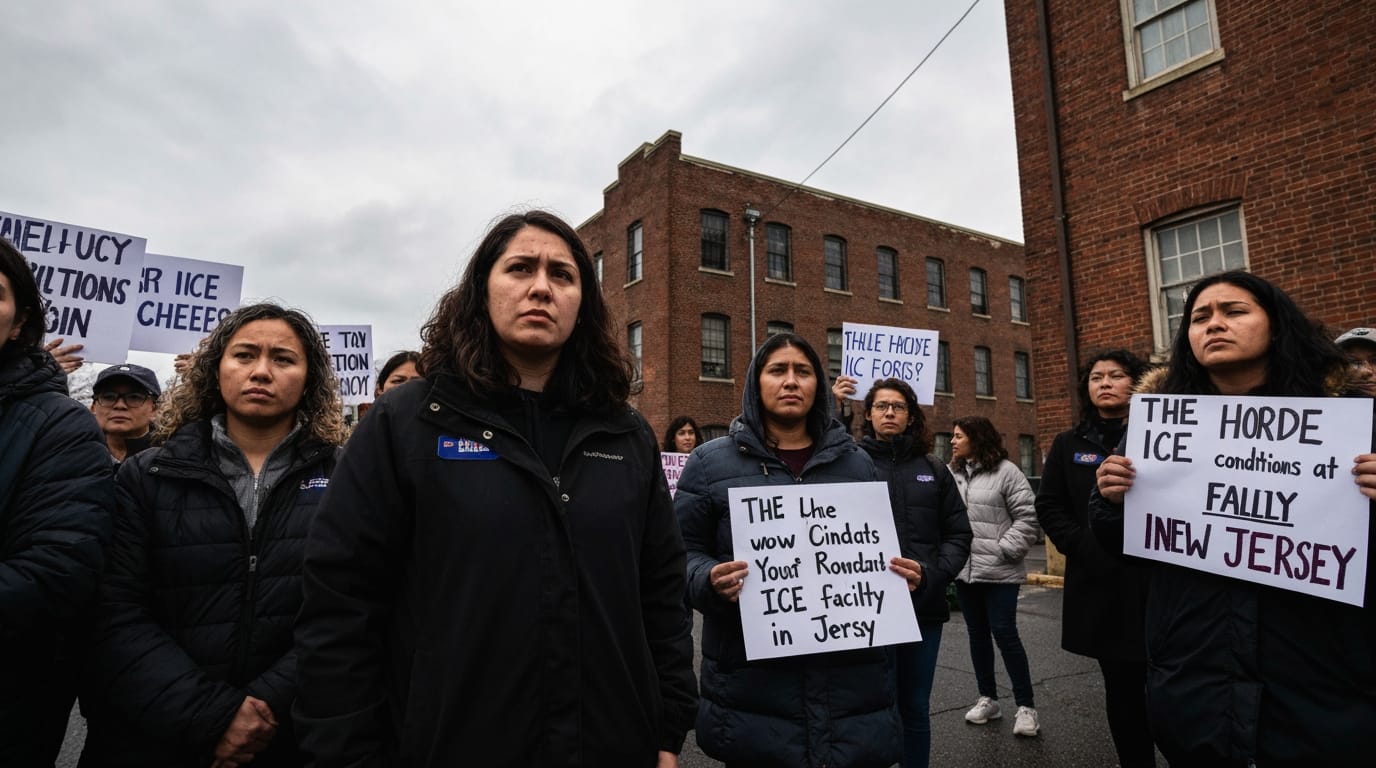
NEWARK, N.J. – A humanitarian crisis is intensifying at immigration detention facilities across New Jersey, with recent allegations of maggot-infested food, medical neglect, and systemic abuse sparking widespread protests and urgent calls for intervention from elected officials and human rights advocates. The focal point of this escalating outcry is Delaney Hall, a privately operated Immigration and Customs Enforcement (ICE) facility in Newark, where detainees have reportedly launched widespread hunger and labor strikes to protest what they describe as "inhumane conditions".
The situation has reached a critical juncture in late May 2026, marked by clashes between federal agents and demonstrators outside Delaney Hall. Protesters, including U.S. Senator Andy Kim and Congressman Rob Menendez, have reported being subjected to pepper spray and pepper balls as they sought to bring attention to the plight of detainees and conduct oversight visits, some of which were allegedly obstructed by federal officials. These recent events underscore long-standing concerns about the treatment of immigrants held in New Jersey, echoing patterns of alleged neglect and substandard conditions documented in various facilities across the state for years.
Escalating Tensions and Allegations at Delaney Hall
The recent wave of unrest at Delaney Hall began with reports of a hunger and labor strike initiated by approximately 300 detainees in late May 2026. Their demands center on fundamental human rights, protesting the denial of fresh food, inadequate medical care, and malfunctioning air conditioning. Democratic members of Congress who visited the facility described "dire conditions," with U.S. Rep. Jerry Nadler stating that detainees are often given small portions of food that "very often" contain maggots and that medical care is severely limited, with Tylenol being the primary medication provided. One particularly distressing account highlighted a woman with a breast lump who, over a month into her detention, was still awaiting a mammogram.
These allegations have galvanized a coalition of advocates and elected officials. Protests outside Delaney Hall have grown in size and intensity, leading to confrontations with federal agents. U.S. Senator Andy Kim reported being pepper-sprayed during one such demonstration. Congressman Rob Menendez also faced obstruction when attempting an unannounced oversight visit, particularly in the case of detainee Martin Soto Hernandez, who was reportedly transferred overnight to another facility after Menendez sought to meet with him. This alleged attempt to evade oversight further fueled suspicions about transparency within the facility. The Department of Homeland Security (DHS), which oversees ICE, has vehemently denied these claims, asserting that detainees receive three meals daily evaluated by certified dietitians, as well as adequate medical services. DHS officials have characterized protesters as "agitators" and defended the use of force as the "minimum amount necessary". Homeland Security Secretary Markwayne Mullin publicly dismissed the allegations, stating, "This isn't Holiday Inn".
A Troubling History: Persistent Issues Across New Jersey Detention Centers
The current crisis at Delaney Hall is not an isolated incident but rather the latest chapter in a long history of documented concerns regarding immigration detention in New Jersey. For decades, facilities like the Elizabeth Detention Center (EDC) and the now-closed Essex County Correctional Facility have faced scrutiny over their conditions.
The Elizabeth Detention Center, which began detaining immigrants in a former industrial warehouse in 1994, has been the subject of protests and legal battles for nearly thirty years. Detainees at EDC have consistently reported a severe lack of access to fresh air or sunlight, cramped and unsanitary living quarters, vermin infestations, consistent medical neglect, and abusive treatment from staff. Even after a 1995 uprising by detainees protesting "torturous conditions," many of these issues persisted, as highlighted by a lawsuit alleging overcrowded, unsanitary conditions, and denial of medical care. An ICE inspection in May 2024 noted deficiencies in several core standards, including medical care and food service, yet facility officials often assert compliance.
The Essex County Correctional Facility in Newark also garnered national attention in 2019 following a Department of Homeland Security Office of the Inspector General (OIG) report that detailed "egregious violations". The OIG's unannounced inspection found rotting food, including raw chicken leaking blood onto other items, slimy and foul-smelling lunch meat, and moldy bread. The report also cited decrepit bathrooms, mold-covered showers, deteriorating mattresses, and a lack of outdoor recreation space. Despite Essex County officials claiming these problems were corrected "within 24 hours," advocates argued these issues were systemic. Similarly, the Bergen County Jail faced accusations of inhumane conditions, including denial of medical attention, inadequate medication, and "disgusting" food, leading to detainee hunger strikes and protests in 2020-2021.
Under immense pressure from immigrant advocates and civil rights groups, both Essex and Bergen Counties, along with Hudson County, ultimately voted to end their contracts with ICE in 2021, signifying a significant shift in the state's approach to immigration detention. However, ICE has reportedly sought to expand its capacity in New Jersey through other avenues, including considering new contracts at the Elizabeth Detention Center and potentially repurposing a warehouse in Roxbury.
Oversight and Accountability Under Scrutiny
A consistent theme across these incidents is the perceived lack of effective oversight and transparency from federal authorities. Advocacy groups, including the ACLU of New Jersey, have repeatedly criticized ICE's internal inspection processes as inadequate, often providing advance notice that allows facilities to temporarily improve conditions before inspections. The ACLU-NJ has leveraged Freedom of Information Act (FOIA) litigation to uncover ICE's plans for expanding detention capacity in the state.
Attempts by elected officials to conduct unannounced visits have also been met with resistance. In 2025, federal agents reportedly arrested members of New Jersey's congressional delegation and the mayor of Newark after they were denied access to Delaney Hall. A June 2025 ICE policy requiring a seven-day notice for congressional inspections further hindered oversight, though a federal court judge later ruled this policy violated parts of the law. These actions by ICE are seen by many as deliberate attempts to obscure the realities within detention centers, preventing public scrutiny of human rights abuses.
The Human Cost and Enduring Fight for Dignity
Beyond the policy debates and legal challenges, the most profound impact of these conditions falls on the detainees and their families. Many individuals held in these facilities have minimal or no criminal records, some are green card holders, and some have U.S. citizen family members, including pregnant spouses and children. The emotional and psychological toll of indefinite detention, compounded by substandard living conditions and inadequate care, is immeasurable. Personal accounts describe individuals losing significant weight due to poor food and enduring prolonged anxiety and stress.
The ongoing protests and hunger strikes are a testament to the desperation felt by detainees and the unwavering commitment of advocates. Groups like Cosecha, the New Jersey Alliance for Immigrant Justice, and Pax Christi NJ have been instrumental in mobilizing communities and demanding an end to ICE detention, emphasizing that "immigration detention is cruel and inhumane". New Jersey's long history of activism against ICE, dating back to 1994, continues to push for systemic change, challenging the notion that inhumane detention is an acceptable aspect of immigration policy.
The clashes outside Delaney Hall and the persistent reports of deplorable conditions highlight a deep chasm between official assurances and the realities experienced by those held in immigration detention. As protests continue and calls for accountability grow louder, New Jersey remains a key battleground in the national debate over the ethics and humanity of the U.S. immigration detention system. The struggle for dignity, proper medical care, and adequate living conditions within these facilities is far from over, with advocates and elected officials vowing to persist until meaningful reforms are achieved.


