Catastrophic Earthquakes Devastate Venezuela, Buildings Crumble Across Capital
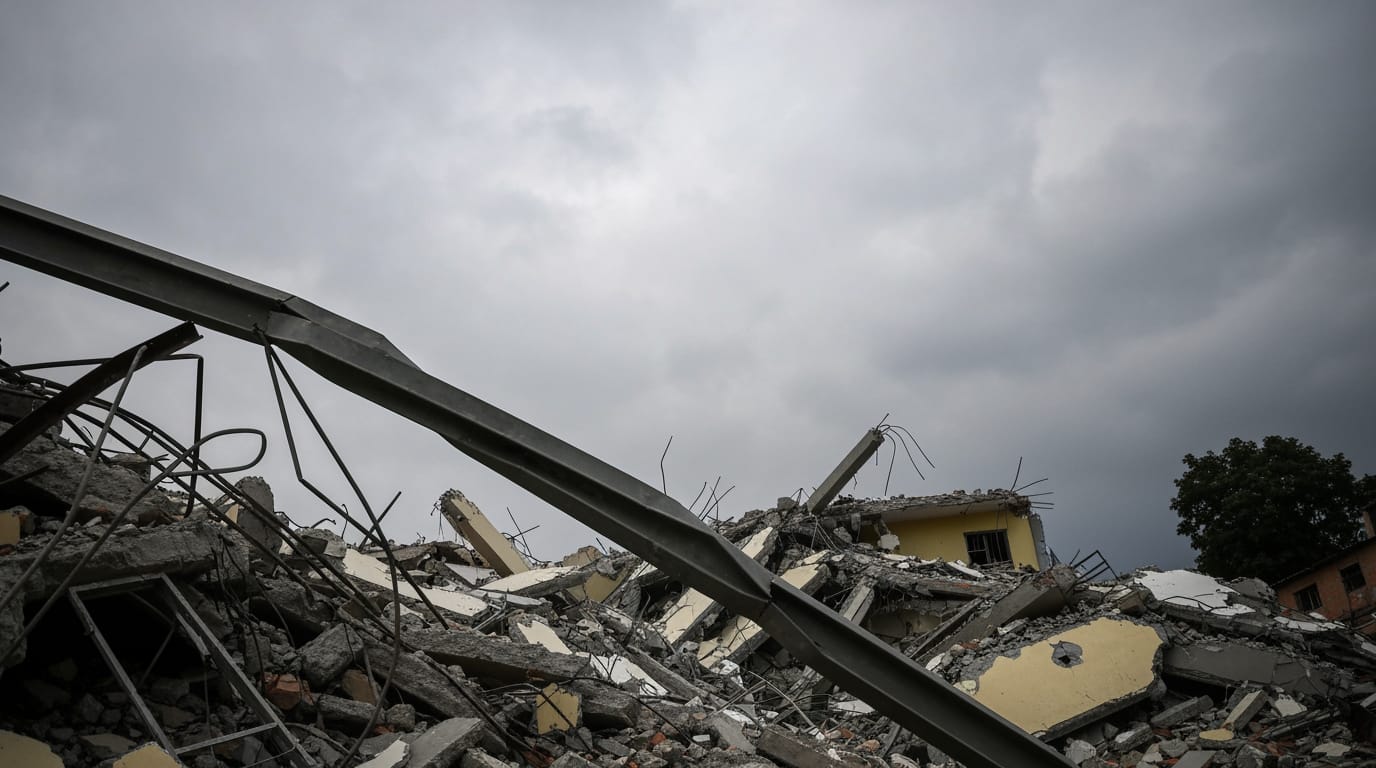
CARACAS, VENEZUELA – A series of powerful earthquakes struck Venezuela on Wednesday afternoon, June 24, 2026, causing widespread destruction, toppling numerous buildings in the capital city of Caracas, and prompting fears of a substantial human toll. The seismic events, among the strongest to hit the nation in over a century, have plunged an already struggling country into a state of emergency as rescue efforts commence amid significant infrastructure damage.
Dual Tremors Unleash Chaos Across North-Central Venezuela
The initial seismic activity began with a magnitude 7.2 earthquake approximately 160 kilometers (100 miles) west of Caracas, quickly followed less than a minute later by an even stronger magnitude 7.5 tremor, according to the U.S. Geological Survey (USGS). Some reports indicated magnitudes of 7.1 and 7.5, respectively. These back-to-back quakes, with epicenters near the communities of Morón and San Felipe in the states of Yaracuy and Carabobo, unleashed a devastating force that resonated across a broad swath of the country, shaking communities throughout Venezuela and even neighboring Colombia, along with nearby Caribbean islands like Aruba and Curaçao. The shallow depth of the quakes, particularly the 7.1 magnitude event at an estimated 8 miles, intensified their impact and destructive potential on the surface. The tremors struck in the late afternoon, with the first major shock registered at approximately 6:04 p.m. local time.
Immediate reports from Caracas painted a grim picture. Interior Minister Diosdado Cabello confirmed that several buildings in the capital had collapsed, and houses were brought down. Videos circulating on social media captured scenes of panic as residents fled swaying structures, while thick columns of dust rose from the city's affected neighborhoods. Eyewitness accounts described the ground shaking violently from side to side, forcing people to evacuate buildings and leaving many visibly distraught. Initial observations revealed structural cracks in numerous residential and commercial properties. The international airport, Maiquetía, also sustained major damage, with passengers seen racing for cover from falling debris. In the suburb of Baruta, a landslide triggered by the earthquake further exacerbated the crisis, with civil defense workers observed using stretchers to carry victims from shattered buildings.
A Nation Gripped by Uncertainty: Casualties and Damage Assessment
The full extent of the human cost and physical damage remains unclear in the immediate aftermath of the quakes. While Venezuelan authorities have not yet released official estimates for deaths or injuries, the USGS PAGER report warned of a high probability of "high casualties and extensive damage," projecting an initial death toll potentially ranging between 10,000 and 100,000. Emergency workers were seen immediately climbing into the ruins of collapsed buildings in Caracas as darkness fell, highlighting the urgent need for search and rescue operations. The Interior Minister urged the public to remain outdoors, anticipating potential aftershocks that could further compromise already damaged structures. Calls for calm and caution were issued, with officials advising citizens to check on children and the elderly and to clear roadways for emergency vehicles.
The severe damage observed in areas like Altamira, an upscale district housing numerous foreign embassies, and San Bernardino, a northern Caracas neighborhood, indicates the widespread nature of the disaster. Reports of people trapped under rubble underscore the immediate life-saving challenges confronting first responders. The scale of destruction suggests that recovery efforts will be protracted and complex, given the significant number of collapsed structures and the potential for a high number of victims.
Venezuela's Seismic Vulnerability and Building Code Realities
Venezuela is situated in a highly active seismic zone where the Caribbean Plate actively collides with the South American Plate, making it prone to significant seismic events. This geological reality necessitates robust earthquake-resistant infrastructure, yet the country faces challenges in this regard. Historically, Venezuela has implemented seismic regulations since 1939, with the most current being COVENIN 1756-1:2019, approved in May 2020. These codes aim to protect human lives, reduce building damage, and ensure essential facilities remain operational during earthquakes, with design parameters based on a probabilistic evaluation of seismic hazard.
However, the effectiveness of these regulations is undermined by inconsistencies in enforcement. Studies reveal that compared to countries like Chile, which has a long history of stringent seismic codes and high enforcement, Venezuela exhibits lower levels of code enforcement. Furthermore, only about 20% of the total building stock in South American nations, including Venezuela, is estimated to have been constructed under some level of seismic design regulation. A significant portion of the population resides in structures particularly vulnerable to earthquake shaking, notably unreinforced brick masonry and adobe block construction. This disparity between code existence and widespread application, coupled with the age of many buildings, likely contributed to the extensive collapses witnessed in the latest disaster. The seismic hazard map for Venezuela divides the country into eight zones, with higher seismicity along the coast, where major urban centers are located. This recent event underscores the critical need for stricter adherence to modern seismic building standards and a comprehensive assessment of existing infrastructure's resilience.
Humanitarian Challenges and the Road to Recovery
The earthquakes strike a nation already contending with complex socio-economic challenges, which will inevitably complicate response and recovery efforts. While Venezuela has previously demonstrated international solidarity by dispatching humanitarian aid and rescue teams to other earthquake-stricken countries like Ecuador in 2016 and Turkey and Syria in 2023, the scale of this domestic disaster will test its own internal capacities. The Venezuela Humanitarian Fund (VHF), established in 2020, serves as a mechanism to support national and international non-governmental organizations and UN agencies in responding to critical emergencies, though its activation specifics for this event have not yet been detailed.
The immediate priorities include ongoing search and rescue missions, providing medical assistance to the injured, and offering temporary shelter to those displaced by collapsed homes. The humanitarian situation in Venezuela already presents persistent gaps in basic services, including healthcare, water, education, and energy, affecting millions of vulnerable people. The earthquakes will undoubtedly exacerbate these existing needs, increasing the demand for social protection, livelihood support, and income-generating opportunities, particularly for already marginalized groups. The road to recovery will be arduous, requiring extensive resources for debris removal, infrastructure repair, and the reconstruction of countless homes and buildings, all while addressing the profound human impact of this catastrophic event.


