Dual Earthquakes Rock Venezuela, Sparking Panic and Widespread Damage
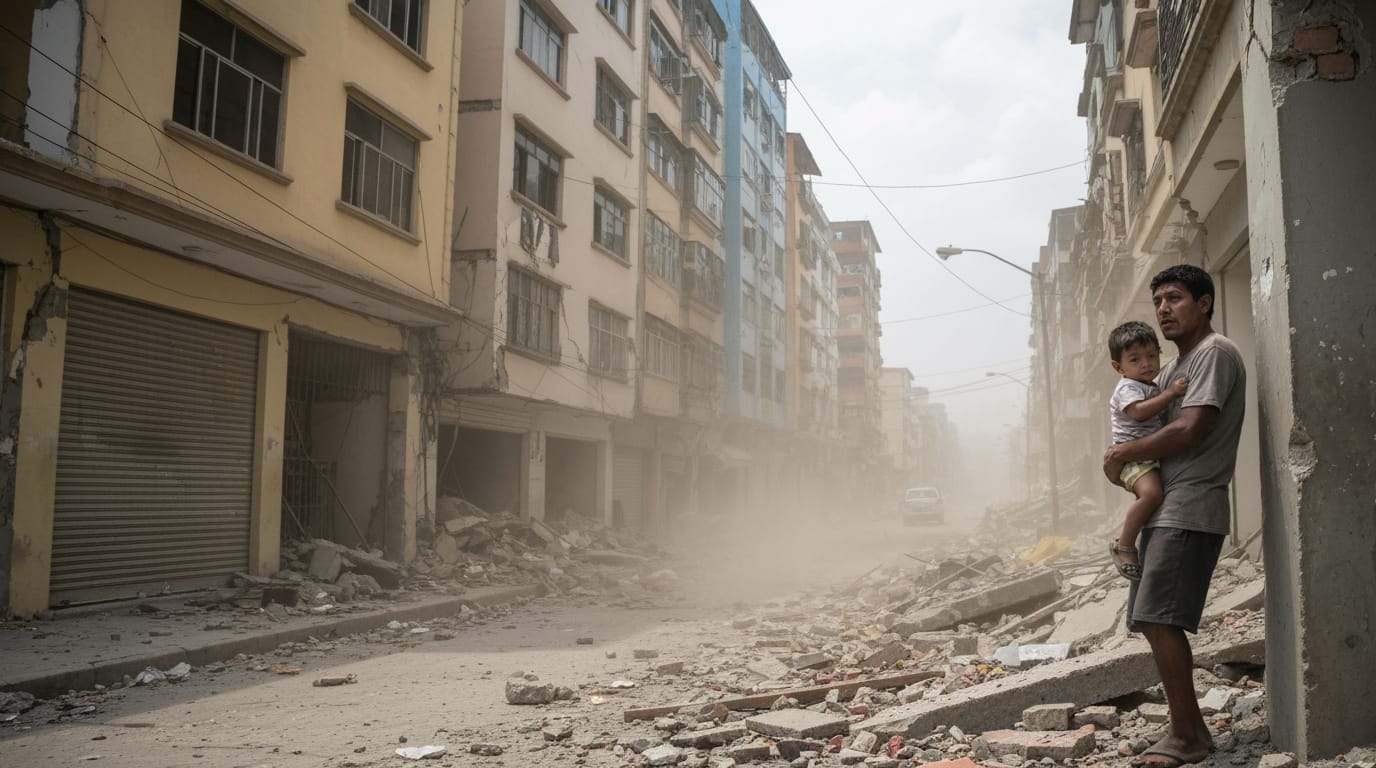
CARACAS, VENEZUELA – A powerful 7.1-magnitude earthquake, followed swiftly by an even stronger 7.5-magnitude tremor, struck north-central Venezuela yesterday, Wednesday, June 24, 2026, sending shockwaves through the capital city of Caracas and numerous other communities. The dual seismic events triggered widespread panic, forced mass evacuations, and resulted in significant structural damage across the affected regions, leading to concerns about potential casualties and infrastructure stability.
The initial 7.1-magnitude quake, registered by the U.S. Geological Survey (USGS) at 6:04 p.m. local time, had its epicenter located off Venezuela's central coast, near several towns in Yaracuy state, with Montalbán, approximately 17 miles southeast of the origin point, being the closest city. This shallow quake, known for its capacity to cause more intense shaking and greater surface damage, was felt across a wide swath of the country. Just an hour west of Valencia, the initial tremor originated at a depth of 13 kilometers (8 miles). The seismic activity intensified shortly thereafter with a second, more powerful 7.5-magnitude earthquake, which struck at a depth of 10 kilometers, its epicenter situated 16 kilometers (10 miles) southwest of Morón, further compounding the widespread disruption. Residents across the country, from Caracas to neighboring Colombia, reported feeling the earth's violent movements, highlighting the expansive reach of these significant seismic events.
Caracas Gripped by Chaos and Collapses
The impact on Caracas was immediate and severe, as the initial 7.1-magnitude earthquake, described by residents as unprecedented in intensity, caused buildings to sway violently. Accounts from across the capital depicted scenes of chaos as people rushed to evacuate apartment buildings, offices, and shopping centers. Adriana Meneses Ímber, a resident of La Floresta in eastern Caracas, recounted flickering lights followed by an escalating, violent shaking that lasted for what felt like two to three minutes, accompanied by the sounds of falling objects and breaking glass. Many residents, including an 80-year-old pensioner named Maria Romero on the south side of Caracas, were aided by police in evacuating their buildings, some comparing the intensity to be worse than the 1967 earthquake.
Preliminary reports and eyewitness accounts circulating on social media and through news outlets indicated significant structural damage throughout the city. Videos captured people fleeing buildings, while some reports detailed partial collapses, severe cracks forming in apartment walls, and shattered glass in entryways. The facades of some buildings suffered considerable damage, and fire trucks were observed on the streets of Caracas, responding to the unfolding emergency. Compounding the immediate danger, many parts of Caracas experienced power outages and loss of internet service directly after the initial quake, hindering communication and exacerbating the sense of uncertainty. The fact that many Venezuelans were at home, observing a public holiday commemorating an 1821 military victory, meant a higher concentration of people within potentially vulnerable structures when the quakes struck.
Regional Impact and Emergency Response
Beyond the capital, other areas experienced similar harrowing conditions. The city of Valencia, located west of Caracas, reported severe shaking, with a witness describing several walls breaking open or forming cracks within their building. The tremors extended beyond Venezuela's borders, with residents in neighboring Colombia also reporting feeling the significant seismic activity.
In the immediate aftermath, emergency services rapidly mobilized to assess the damage and provide assistance. Fire trucks were deployed across Caracas, and municipal police officers assisted in evacuating injured individuals from collapsed structures. Rescue workers commenced searches for potential victims amidst the rubble. Venezuela's interior minister, Diosdado Cabello, confirmed the widespread nature of the tremors, stating that the quake was felt in several parts of the country. While initial assessments were underway, official reports on the full extent of the damage in Caracas and other affected areas were pending, indicating the ongoing nature of the crisis.
Tsunami Threat and Seismic Vulnerability
The powerful earthquakes prompted an immediate and serious concern for coastal regions, leading the U.S. Tsunami Warning System to issue a tsunami threat. This warning specifically targeted Puerto Rico and the U.S. and British Virgin Islands, and extended to islands off the coast of Venezuela, including Aruba, Curaçao, and Bonaire, cautioning them about the potential for hazardous waves.
Venezuela, situated in a seismically active zone, is no stranger to earthquakes. The region lies near the complex boundary where the Caribbean and South American tectonic plates interact. This geological setting makes the country particularly susceptible to seismic events, as the plates constantly grind against each other, building up stress that is periodically released in the form of earthquakes. The shallow depth of yesterday's tremors amplified their perceived intensity and destructive potential, a characteristic feature of earthquakes in such active zones.
Aftershocks and the Road Ahead
As the immediate shock subsided, residents braced for the inevitable aftershocks. Adriana Meneses Ímber, for instance, reported feeling at least two aftershocks following the main event, a common occurrence after powerful earthquakes as the Earth's crust adjusts. These continuing tremors contribute to the prolonged sense of unease and can cause further damage to already weakened structures, posing ongoing risks to the population.
The coming days will be critical for a comprehensive assessment of the damage, the identification of areas requiring urgent aid, and the implementation of recovery efforts. The resilience of the Venezuelan people will be tested as they confront the aftermath of these dual seismic events, navigating immediate needs for safety and shelter while beginning the long process of rebuilding and recovery. The full human and economic cost of these powerful earthquakes is yet to be determined, but the widespread disruption serves as a stark reminder of the planet's dynamic forces and the imperative for preparedness in seismically active regions.


