France Confirms First Ebola Case Linked to Ongoing DR Congo Outbreak
Paris, France – France has confirmed its first domestically identified case of Ebola virus disease, marking a significant development in the global response to the escalating outbreak in the Democratic Republic of Congo (DRC). The patient, a humanitarian doctor recently returned from a mission in the affected region of the DRC, tested positive for the virus on Wednesday, June 24, 2026. This case represents the first instance of Ebola detected on French territory during the current outbreak, prompting immediate and stringent public health measures to prevent further transmission.
Swift Response as Doctor Isolated
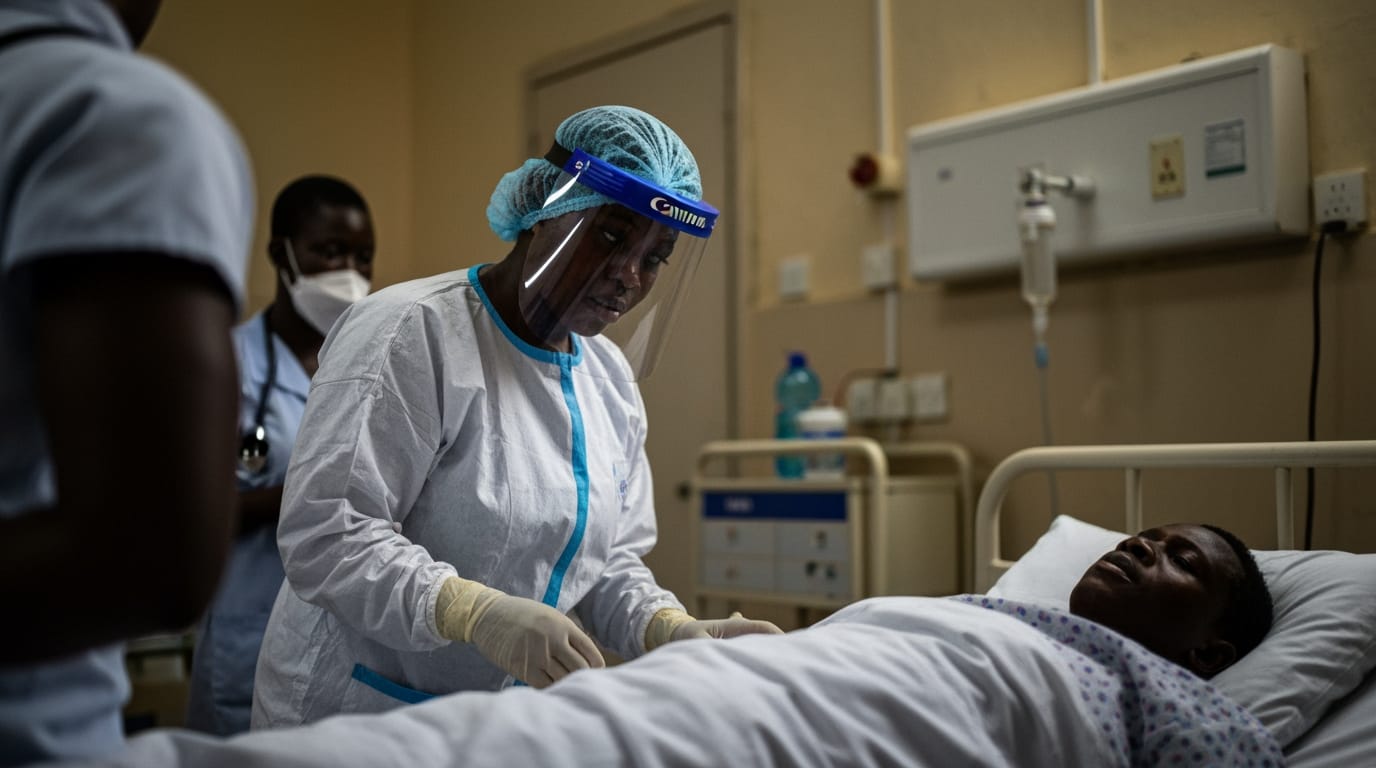
French health authorities moved quickly to contain the potential spread of the virus. The infected doctor was immediately placed in isolation within a specialized infectious diseases unit upon exhibiting symptoms. According to statements from the French Health Ministry, all precautionary measures were implemented upon the patient's arrival in France, with a secure transfer to the hospital to eliminate any risk of contamination. The patient is reported to be in stable condition, undergoing treatment under strict biosafety protocols. An extensive epidemiological investigation is now underway to identify and contact individuals who may have been exposed to the patient. Those identified will be advised to self-isolate at home for 21 days, during which they will receive close monitoring from regional health agencies. Authorities have emphasized that the risk to the broader European population remains low, attributing this to the rapid detection and the well-established containment systems in place.
The Congo Connection: A Challenging Outbreak
The confirmed case in France is directly linked to the current Ebola outbreak gripping the northeastern Ituri province of the Democratic Republic of Congo. This particular outbreak, which began in mid-May, has rapidly become one of the fastest-expanding Ebola events on record. As of June 21 or 24, the DRC National Institute of Public Health reported over 1,000 confirmed infections and more than 260 deaths. Neighboring Uganda has also reported cases, with 20 infections and two deaths, largely associated with individuals traveling from affected regions in the DRC.
A critical concern surrounding this outbreak is the identification of the Bundibugyo (BVD) strain of the Ebola virus. This is a rare variant for which there are currently no approved vaccines or specific treatments, complicating response efforts. The World Health Organization (WHO) declared the situation a "public health emergency of international concern" on May 17, underscoring the severity and potential for wider regional impact. Experts suggest the virus likely circulated undetected for weeks, possibly months, before the official declaration, enabling a significant initial spread.
Obstacles to Containment in the DRC
The humanitarian and health response in the DRC has been severely hampered by a confluence of factors unique to the region. Ongoing insecurity, fueled by the presence and operations of numerous armed groups in areas like North and South Kivu provinces, poses significant challenges. Aid cuts and conflict have further complicated efforts, leading to difficulties in surveillance, treatment, and community engagement. Health systems in the remote and conflict-affected provinces are under immense strain, struggling with limited capacity to manage the accelerating outbreak. There have also been instances of local resistance to response efforts, including attacks on health centers and the burning of treatment facilities, although some reports indicate a waning of such resistance as communities become more aware of the risks.
The United States Centers for Disease Control and Prevention (CDC) has committed US$107 million in emergency funding to support response efforts in the DRC and Uganda, highlighting the international recognition of the crisis's urgency. The Red Cross has cautioned that the epidemic has not yet peaked and could potentially last for a year, with worst-case scenarios projecting up to 20,000 cases without effective intervention.
Broader Implications and European Preparedness
The French case, while meticulously managed, brings into focus the continuous global interconnectedness and the potential for infectious diseases to cross borders rapidly. While this is the first imported case detected in France during this particular outbreak, previous instances of Ebola management in Europe provide a backdrop for the current response. During the major West Africa Ebola outbreak from 2014 to 2016, France implemented heightened surveillance measures. Although no imported cases were detected on French soil at that time, two confirmed cases diagnosed abroad were evacuated to France for treatment, demonstrating established protocols for managing such events. Similarly, earlier this month, a US citizen who contracted Ebola in the DRC was treated and discharged from a hospital in Germany, further illustrating Europe's capacity for high-level care and containment.
French health authorities have a dedicated monitoring system in place for aid workers returning from high-risk zones, reflecting a proactive approach to managing potential imported cases. For travel insurers and assistance providers, this case underscores the critical importance of robust evacuation protocols, specific infectious disease clauses, and close coordination with international public health bodies like the WHO in outbreak regions.
Sustained Vigilance
The confirmation of an Ebola case in France serves as a stark reminder of the persistent threat posed by outbreaks in vulnerable regions and the need for sustained global health vigilance. The immediate, coordinated response by French authorities, including rapid isolation, contact tracing, and public health communication, aims to mitigate any further spread within Europe. However, the complex challenges facing containment efforts in the Democratic Republic of Congo, including conflict, remoteness, and the lack of specific treatments for the Bundibugyo strain, mean that the international community must remain deeply engaged in supporting efforts at the source. The situation demands ongoing collaboration, resource allocation, and a vigilant public health posture to safeguard both local populations and global health security.


