Critical Lifeline: LPG Tanker Navigates Turbulent Strait of Hormuz, Securing India's Energy Supply
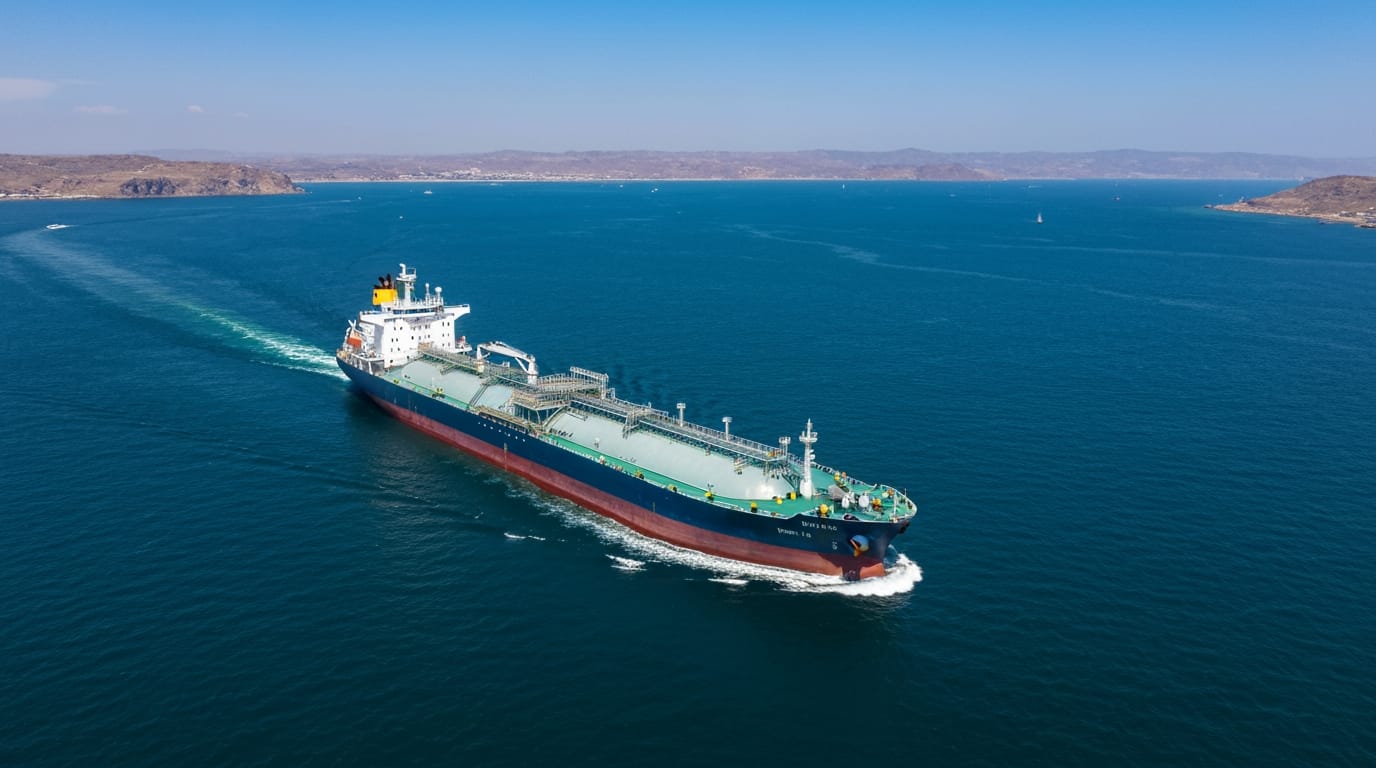
Mumbai, India – An LPG tanker, the Green Sanvi, has successfully navigated the highly strategic and often tumultuous Strait of Hormuz, carrying over 44,000 tonnes of liquefied petroleum gas (LPG) and heading towards Mumbai. Its safe passage, reported on Friday, April 4, 2026, marks the seventh such Indian-flagged vessel to traverse the chokepoint since the intensification of geopolitical tensions in West Asia. This transit underscores the critical reliance of India, the world's second-largest LPG importer, on a maritime route that remains pivotal for global energy security.
The journey of the Green Sanvi and other tankers like the BW Tyr and BW Elm, which recently delivered approximately 94,000 metric tons of LPG to Mumbai and New Mangalore, represents more than just a routine commercial shipment. It is a testament to the persistent efforts to maintain India's energy supply amidst regional volatility, directly impacting millions of households and industries dependent on LPG for cooking and other uses.
The Perilous Passage: Strait of Hormuz at a Glance
The Strait of Hormuz, a narrow sea passage separating the Arabian Peninsula and Iran, connects the Persian Gulf with the Gulf of Oman and the Arabian Sea. At its narrowest point, it is only 29 nautical miles wide, comprising two-mile-wide navigable channels for inbound and outbound shipping, along with a buffer zone. This geographical configuration makes it one of the world's most critical maritime chokepoints.
Annually, approximately 25% of the world's seaborne oil trade and 20% of global liquefied natural gas (LNG) trade pass through the Strait. For India, its significance is even more pronounced, with historically about 90% of its LPG imports and a substantial portion of crude oil and LNG imports transiting these waters. Any disruption, however brief, can send shockwaves through global energy markets, leading to price spikes and supply crises. Recent tensions in the West Asia region, including what has been described as a "U.S.-Israeli war against Iran," have increased the risks associated with transit through this vital waterway, leading to some shipping disruptions. Iran has indicated that "non-hostile vessels" may transit if they coordinate with Iranian authorities, a policy that shipping companies must now navigate.
India's Unwavering Demand for LPG
India's energy landscape is heavily reliant on imports, particularly for LPG. The nation consumes approximately 31-33 million tonnes of LPG annually, with imports meeting about 60-65% of this demand. Traditionally, the vast majority—around 90%—of these imports originated from Middle Eastern suppliers. This high dependency on a single region and a single, geopolitically sensitive maritime route exposes India to significant supply vulnerabilities.
The recent heightened tensions in West Asia have already demonstrated potential impacts on India's energy security. While officials emphasize that adequate stocks of petrol and diesel are available, and port operations remain normal, there have been reports of temporary LPG supply gaps and increased delivery times for domestic cylinders due to panic booking. The Indian government has taken proactive steps, including invoking emergency powers to direct domestic refiners to maximize LPG production. These measures highlight the immediate challenges faced by India in maintaining consistent supply to its vast consumer base.
Beyond the immediate disruptions, the broader implications for India include potential increases in fuel costs, inflationary pressures, and overall economic stress. This complex scenario underscores the critical need for India to not only ensure the safe passage of current shipments but also to fortify its long-term energy resilience.
Diversification and Resilience: India's Long-Term Strategy
Recognizing the inherent risks of over-reliance on a single region and transit chokepoint, India has embarked on an ambitious strategy to enhance its energy security. A key pillar of this approach is the diversification of energy sources and supply routes. Beyond traditional Gulf suppliers, India is now actively procuring LPG, crude oil, and natural gas from a wider array of international partners, including the United States, Norway, Canada, Algeria, and Russia. This strategic shift aims to reduce vulnerability to regional conflicts and market fluctuations.
Furthermore, India is intensifying efforts to bolster its domestic energy production and expand its clean energy portfolio. The nation has set ambitious targets for renewable energy, aiming for 500 GW of non-fossil energy capacity by 2030 and generating 50% of its electricity requirements from renewable sources by the same year. Significant investments are being channeled into solar, wind, and green hydrogen projects, alongside plans for expanding strategic petroleum reserves to enhance resilience against global shocks. India's energy diplomacy is also evolving, with new partnerships being forged with countries like Australia, Japan, and the EU to secure critical technologies and diversify supply chains for future energy needs.
Navigating the Future
The safe passage of the LPG tanker Green Sanvi through the Strait of Hormuz to Mumbai is a momentarily reassuring development for India's energy landscape. However, it also serves as a potent reminder of the fragility of global supply chains and the intricate interplay of economics and geopolitics. With 17 other Indian-flagged vessels, including two LPG tankers (Green Asha and Jag Vikram), reportedly still awaiting transit west of the Strait, the vigilance continues.
India's journey toward energy security is a dual challenge: ensuring the uninterrupted flow of essential imports today, while simultaneously building a robust, diversified, and sustainable energy infrastructure for tomorrow. The ongoing efforts to broaden supply networks, increase domestic output, and transition to cleaner fuels are not merely economic imperatives; they are foundational to the nation's strategic autonomy and the well-being of its population.


