Cuba Appeals for Global Solidarity Amid Intensifying U.S. Pressure
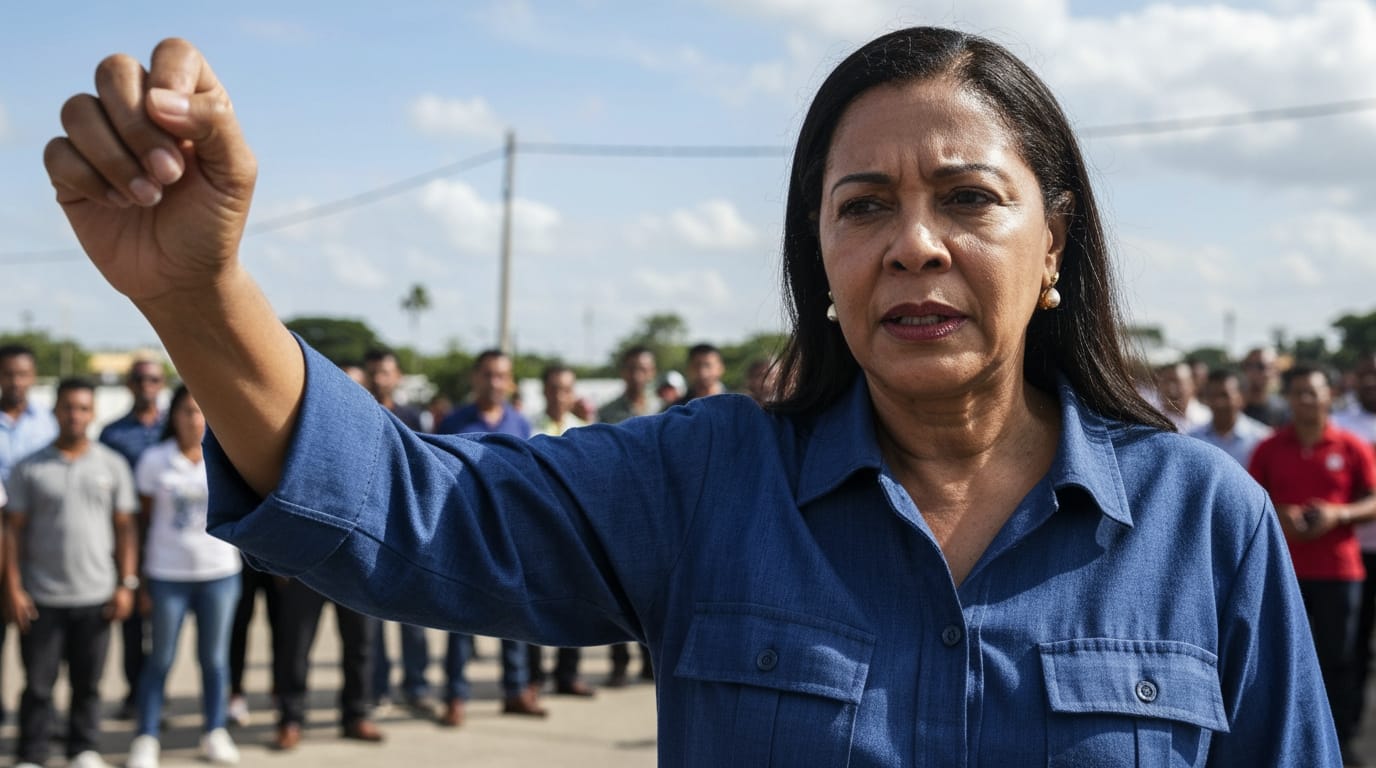
UNITED NATIONS – Cuba has issued an urgent international appeal for solidarity, warning the global community of a looming humanitarian catastrophe and the potential for direct military aggression from the United States. Cuban Foreign Minister Bruno Rodriguez Parrilla, addressing the UN Security Council on Tuesday, called for immediate mobilization to prevent what he described as a "humanitarian catastrophe that could be imposed through arms or the fuel blockade." This plea comes as Havana faces mounting economic pressure and heightened rhetoric from Washington, prompting fears of an escalation in the long-standing tensions between the two nations.
The call from the Cuban government reflects a growing apprehension that recent actions by the U.S. administration signify a dangerous shift towards more aggressive tactics aimed at regime change. President Donald Trump has openly contemplated "taking over" communist Cuba, suggesting it could be a target for military action and significant political change following events in Venezuela. Such statements, coupled with tightened sanctions and specific punitive measures, have fueled Havana's concerns that the United States is actively seeking pretexts to destabilize the island nation.
Escalating Economic Warfare and Diplomatic Isolation
The economic difficulties faced by Cuba are not new, largely stemming from a U.S. trade embargo imposed after Fidel Castro's rise to power in 1959. For decades, this embargo has contributed to severe shortages of food, medicine, and other essential goods, making nationwide power blackouts a common occurrence. However, the current U.S. administration has intensified these measures, exacerbating an already fragile situation. A significant blow came with the U.S. decision to cut off the supply of oil from Havana's ally, Venezuela, following the ouster of Nicolas Maduro. This energy blockade has dire implications for Cuba's economy and daily life, further restricting access to vital resources.
Adding to the diplomatic and economic pressure, the U.S. Department of Justice recently indicted Raul Castro over the 1996 downing of two small U.S.-based planes. This indictment, which Cuba swiftly denounced as politically motivated, has been interpreted by Havana as another attempt by the United States to create a pretext for intervention. Following the announcement, Secretary of State Marco Rubio issued a stern warning, stating that the United States was "laser-focused on changing the communist system" in Cuba. Cuban officials have categorically denied allegations that Cuba poses a national security threat to the United States, calling such claims "against logic and common sense."
Humanitarian Crisis and Global Outcry
Beyond the political rhetoric, the escalating U.S. pressure carries severe humanitarian consequences for the Cuban populace. The International Committee Peace, Justice and Dignity to the People, an organization advocating for Cuba, has highlighted critical issues directly linked to the U.S. blockade. Reports indicate that approximately 1,400 children suffering from cancer face imperiled treatments due to a lack of essential supplies. Furthermore, 96,000 patients are on waiting lists for surgical interventions that cannot proceed because of similar scarcities, with 11,000 of these patients being children. The committee emphasized that the U.S. blockade, now in its 64th year, has inflicted "severe and enduring damage" on Cuba.
The international community has largely condemned the U.S. embargo against Cuba. The United Nations General Assembly has voted against the unilateral measure 33 times, with the vast majority of member countries, excluding only a few like Israel and the U.S. itself, calling for its end. This widespread international opposition underscores the global perception that the blockade constitutes a form of collective punishment against the Cuban people. Civil society groups and political organizations worldwide are mobilizing, calling for an end to the economic, commercial, and financial blockade and a cessation of aggression against the country.
Cuba's Historical Stand and Resolve
Cuba's appeal for solidarity is rooted in a history of challenging U.S. aggression and promoting international cooperation. Throughout the Cold War, Cuba consistently championed national liberation movements and offered a model for decolonization, including providing substantial aid to the Palestine Liberation Organization and supporting Vietnamese nationalists during the Vietnam War. This legacy of "radical solidarity" is now being invoked as Cuba itself seeks global support.
In response to the perceived threats, Cuban President Miguel Diaz Canel has vowed to mobilize the Cuban people in defense of the nation should the United States initiate any military aggression. The Cuban Foreign Affairs Ministry stated that threats of military aggression from the world's largest power are an "international crime" even before they materialize, warning of a "bloodbath with incalculable consequences" if such actions were to occur. Cuba maintains it poses no threat to any country, including the United States, and asserts its "absolute and legitimate right to defend itself against a war onslaught."
The current juncture represents a critical moment for Cuba, as it navigates intensified U.S. pressure that threatens to deepen a long-standing humanitarian crisis and potentially escalate into conflict. The international community's response to Cuba's plea for solidarity and intervention will be crucial in shaping the future trajectory of relations between the two nations and the broader stability of the Caribbean region. With calls echoing from Havana for the world to "let Cuba live in peace," the focus remains on diplomatic avenues to de-escalate tensions and avert further suffering.


