Cuba Plunges Deeper into Energy Crisis, Forcing Radical Measures and a Renewable Pivot
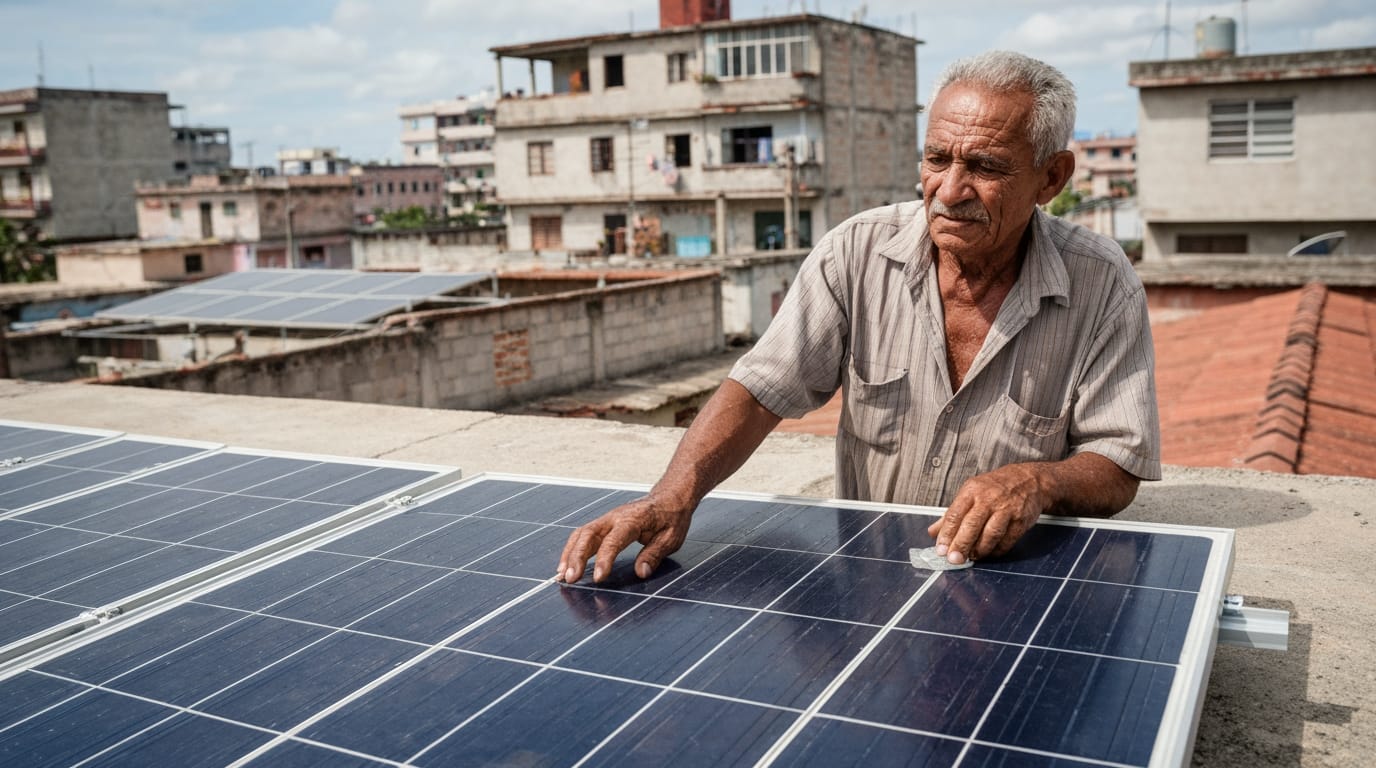
HAVANA, Cuba – Cuba is enduring its most profound energy crisis in decades, a complex challenge manifesting in widespread blackouts, critical fuel shortages, and a crumbling power infrastructure. The daily lives of millions are profoundly affected, prompting the government to enact stringent conservation measures and accelerate an ambitious, albeit difficult, transition toward renewable energy sources. This strategic shift aims to diminish the island nation's acute reliance on imported fossil fuels and address deep-seated systemic vulnerabilities.
The Deepening Crisis: A Perfect Storm
The current energy turmoil is the culmination of several converging factors. At its core lies Cuba's antiquated electrical infrastructure, primarily composed of oil-fired thermoelectric plants, many of which are more than 30 to 40 years old and suffer from chronic under-maintenance. These facilities frequently break down, leading to cascading failures across the national grid. Cuba's energy generation remains heavily dependent on fossil fuels, accounting for an estimated 95% of its electricity, with nearly half of these fuels needing to be imported.
A significant exacerbating factor has been the drastic reduction in fuel shipments from key allies such as Venezuela, Mexico, and Russia, countries that have historically supplied Cuba with oil. Venezuela, once Cuba's primary oil provider, has seen its shipments effectively halt following political upheaval in Caracas. Simultaneously, the enduring U.S. economic embargo continues to complicate Cuba's ability to finance fuel purchases and acquire essential spare parts for its power plants. The nation's broader economic struggles, characterized by low foreign currency reserves, rampant inflation, and a downturn in the vital tourism sector, further cripple its capacity to invest in necessary upgrades or secure fuel on the international market.
Immediate Measures and Public Adaptation
In response to the escalating crisis, Cuban authorities have implemented a series of emergency measures designed to drastically reduce energy consumption. These initiatives include widespread electricity rationing, the suspension of classes, temporary closures of state-owned workplaces and nightclubs, and significant cuts to public lighting. Water pumping schedules have been reorganized, often leading to intermittent water access, and the government has even imposed fines for non-compliance with energy-saving regulations under Decree-Law 110/2024. This decree, published in November 2024, also mandates that state and private companies classified as "large consumers" must establish their own systems to supply 50% of their energy needs during peak hours by 2028, signaling a push towards decentralized generation.
These current conservation efforts echo past "energy revolutions" initiated by Fidel Castro, such as the one in 2004, which also sought to encourage households to conserve energy amidst similar scarcities. Such measures underscore the recurring nature of Cuba's energy challenges and the government's consistent strategy of imposing strict austerity to manage demand.
The Renewable Energy Pivot: A Long-Term Vision
Despite the immediate challenges, Cuba is strategically pivoting towards renewable energy as a long-term solution to its energy dependency. The government has set ambitious targets, aiming to generate 24% of its electricity from renewable sources by 2030, a significant increase from the mere 3% recorded in 2021. This plan involves specific targets, including the installation of 2,100 MW of solar photovoltaic (PV) capacity, 700 MW from wind power, and 755 MW from biomass.
Solar energy is a cornerstone of this strategy, leveraging Cuba's significant potential of receiving an average of 5.4 kilowatt-hours per square meter per day. Plans include the construction of 55 solar parks, 92 solar power plants targeting a total of 2 gigawatts (GW) of solar power by 2028, and the provision of 5,000 photovoltaic systems for households by 2025. International partners, including China and India, are supporting these solar initiatives, with India extending a $75 million line of credit for 75 MW solar plants.
In the wind sector, the island currently possesses an installed capacity of 11.7 MW and aims for 633 MW by 2030. Projects like the wind farm in Las Tunas, developed in collaboration with China, and a 51 MW wind farm project in Río Seco supported by India, are critical to reaching this goal. Biomass, primarily derived from sugarcane bagasse and invasive marabou weed, also forms part of the renewable energy mix, with India providing expertise in its utilization.
Adding a new dimension to this push, the Cuban government announced in February 2026 that it would allow entities and individuals to sell self-generated renewable energy directly to third parties, or to the Electric Union, creating new incentives for localized power production.
The Human Cost and Daily Realities
The energy crisis has taken a profound toll on the Cuban population. The year 2024 saw the lowest electricity supply level in five years, culminating in a national grid collapse in October 2024 that left 10 million people without power for over 72 hours. Many regions experienced blackouts lasting more than 12 hours a day, with some enduring outages for up to 76 hours.
These prolonged blackouts have severe repercussions. Food spoilage due to unreliable refrigeration is a common complaint, and water shortages are prevalent as pumps rely on electricity. Internet and communication services falter, isolating communities. Small businesses and the crucial tourism industry also suffer, losing productive hours and struggling to maintain services without consistent power. The constant uncertainty has fueled public dissatisfaction and, in some cases, led to protests over power and food shortages, as seen in Santiago de Cuba in March 2024. The compounding hardships contribute to an unsustainable daily life, pushing an increasing number of Cubans to emigrate.
International Dynamics and Lingering Challenges
While Cuba pushes for internal solutions, external factors continue to heavily influence its energy landscape. The U.S. sanctions remain a significant hurdle, impeding the acquisition of crucial supplies and investment. Reports indicate that the U.S. has intensified pressure, even threatening tariffs on countries supplying oil to Cuba, leading to further reductions in available fuel.
Despite these obstacles, Cuba has sought and received international cooperation. The European Union, through its "Cuba-Renewables Project," is investing 18 million euros to promote renewable energy and efficiency. India provides lines of credit and technological assistance, while Russia has offered a $60 million loan for fuel and assistance in upgrading thermal power plants. Turkey has also leased seven floating power plants to Cuba, which can supply up to 20% of the nation's electricity needs, though these still depend on crude oil.
However, skepticism persists regarding the feasibility of Cuba's ambitious renewable energy targets. Experts point to the significant funding required, which is often difficult to secure due to Cuba's economic fragility and limited access to international financial institutions. The long lead times for large-scale renewable projects mean that immediate relief remains elusive, and the deterioration of existing oil-fired facilities is expected to continue without substantial investment.
Conclusion
Cuba's energy crisis is a profound and multi-faceted challenge, deeply intertwined with its economic conditions, geopolitical relations, and aging infrastructure. The government's dual strategy of aggressive conservation and a long-term pivot to renewable energy reflects the urgency of the situation. While international support offers some avenues for development, the path to energy security for Cuba remains precarious, marked by the ongoing struggle to balance immediate needs with sustainable future solutions. The endurance of the Cuban people, accustomed to navigating scarcity, will continue to be tested as the nation strives to illuminate its future.


