Daring U.S. Raid Recovers Missing Airman from Iran After Fighter Jet Downing
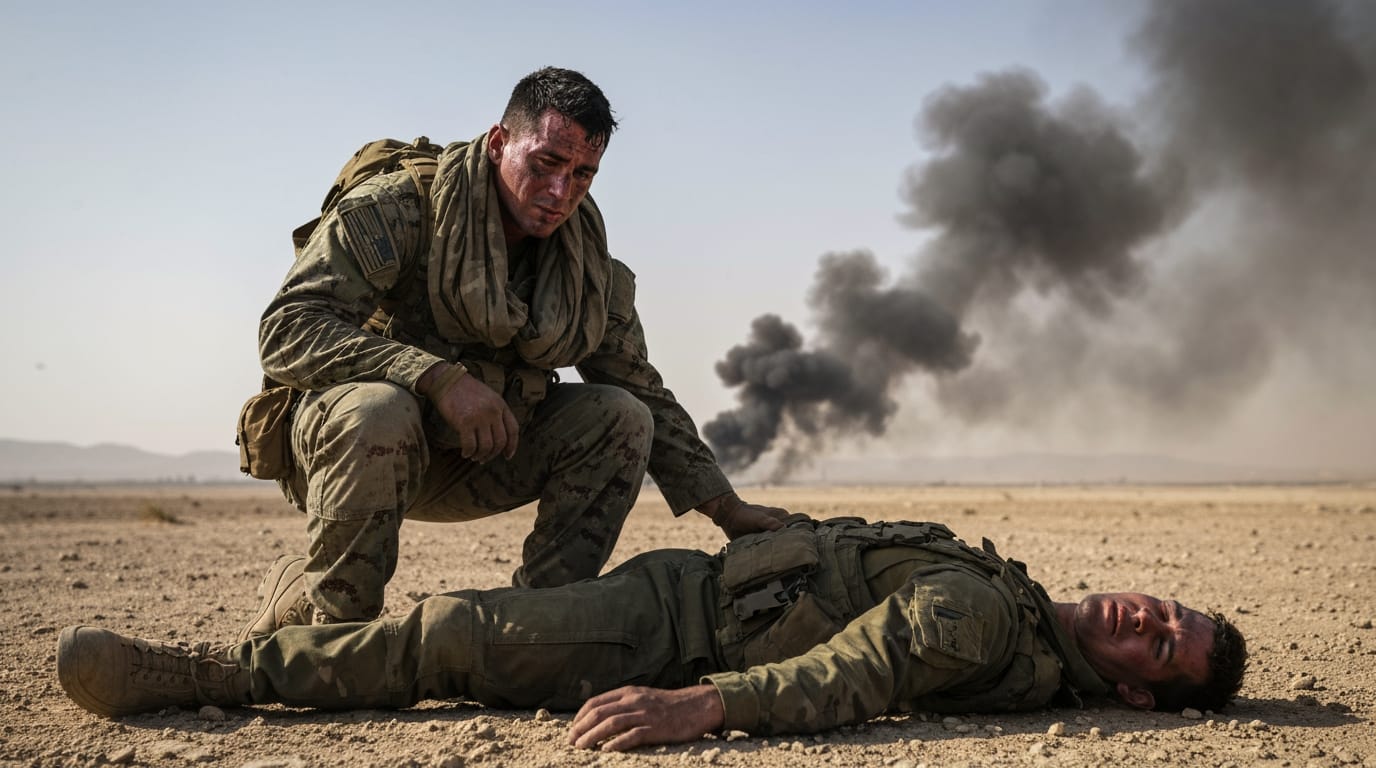
A United States Air Force crew member, missing since his F-15E fighter jet was shot down over Iranian territory on Friday, was successfully rescued early Sunday morning by U.S. special operations forces in a complex and high-stakes operation. The dramatic recovery, confirmed by President Trump, marks a significant moment of tension in the ongoing conflict between the U.S. and Iran, highlighting the perilous environment faced by American personnel in the region.
The successful extraction of the weapons systems officer (WSO), a highly respected Colonel, followed a frantic search effort and a direct confrontation with Iranian forces. The mission unfolded amidst an escalating backdrop of hostilities that has seen multiple U.S. aircraft damaged or lost and American troops facing increasing threats.
The Downing and Desperate Search
The incident began on Friday when the U.S. F-15E Strike Eagle, a dual-seat tactical fighter, was brought down by Iranian forces over a remote, mountainous area of southwestern Iran. The Iranian Revolutionary Guards swiftly claimed responsibility for the strike. The jet was part of combat operations against Iran, which have intensified in recent weeks.
One of the two crew members, the pilot, managed to eject safely and was rescued by military helicopters shortly after the crash. However, the second crew member remained missing, triggering an immediate and urgent search-and-rescue operation. The challenging terrain of Iran's Kohgiluyeh and Boyer-Ahmad province, coupled with the hostile presence of Iranian forces, complicated recovery efforts from the outset.
Iranian authorities not only launched their own search for the downed airman but also reportedly offered financial rewards for information leading to his capture. This created a race against time, with U.S. officials expressing concern that the missing airman could be taken into Iranian custody. Reports indicated that Iranian tribesmen in the area actively engaged U.S. helicopters involved in the search, further illustrating the dangers involved.
A High-Stakes Rescue Under Fire
As the search for the missing officer intensified, the United States military mounted an elaborate and audacious rescue mission. Early Sunday, President Trump announced the successful recovery, hailing it as "one of the most daring Search and Rescue Operations in U.S. History." The operation involved a substantial contingent of military assets, including hundreds of special forces personnel, supported by dozens of warplanes and helicopters.
The covert nature of the mission was underscored by the reported involvement of the Central Intelligence Agency (CIA). The agency played a critical role in tracking the crew member, who was found in a mountain crevice, and also initiated a deception campaign. This campaign reportedly spread misinformation within Iran, suggesting U.S. forces had already located and were exfiltrating the airman by ground, thereby diverting Iranian attention while the actual rescue unfolded. The CIA then provided real-time intelligence to the Pentagon and the White House, allowing President Trump to order the immediate rescue mission.
During the critical phase of the recovery, U.S. commandos reportedly engaged in a direct firefight with Iranian troops. Despite the intense confrontation, U.S. personnel sustained no casualties during the rescue, successfully extracting the injured Colonel. He was subsequently flown to Kuwait for medical treatment, with officials stating he is expected to recover from his injuries.
This dramatic rescue operation was not without additional peril. During Friday's initial recovery efforts, a U.S. helicopter transporting the rescued F-15E pilot was hit by small arms fire, injuring crew members on board, though it landed safely. Furthermore, an A-10 Warthog involved in the search mission also came under fire and was damaged, with its pilot safely ejecting over the Persian Gulf and subsequently recovered.
Broadening Conflict and Regional Instability
The downing of the F-15E and the subsequent rescue operation underscore the escalating and dangerous nature of the current conflict between the United States and Iran. This recent event is part of a broader pattern of hostilities that has seen significant military engagements and losses on both sides. Since the conflict began, the U.S. Air Force has reportedly lost at least seven aircraft, including F-15s, an A-10, a KC-135 refueling tanker, and an E-3 Sentry airborne warning and control aircraft, with several incidents resulting in casualties or injuries to American service members.
These incidents include three F-15s mistakenly shot down by Kuwaiti air defenses in a friendly fire incident in early March, a KC-135 crash in Iraq that killed six personnel, and an E-3 Sentry destroyed on the ground during an Iranian strike on Prince Sultan Air Base in Saudi Arabia. An F-35 fighter jet also reportedly sustained damage from Iranian fire, forcing an emergency landing.
The increasing assertiveness of Iranian forces and their ability to target advanced U.S. military assets have raised immediate questions about the extent of their arsenal and the challenges facing U.S. assertions of air superiority. The region remains highly volatile, with Tehran having retaliated with drone and missile strikes targeting Israel, Jordan, Iraq, and Gulf countries hosting U.S. military assets.
President Trump has maintained a firm stance, issuing stark warnings to Iran. Just hours before the airman's rescue, he reportedly issued an ultimatum to Iran, giving them 48 hours to reopen the Strait of Hormuz before the U.S. would unleash "hell." These pronouncements reflect the high stakes and the potential for further escalation in an already tense standoff.
Conclusion: A Testament to Resolve Amidst Rising Danger
The successful recovery of the missing F-15E crew member stands as a testament to the unparalleled capabilities and unwavering resolve of the United States military. The daring rescue mission, executed under fire and in hostile territory, demonstrates the commitment to leaving no service member behind. For the family of the rescued Colonel, the news brings immense relief, underscoring the profound human element amidst geopolitical strife.
However, the incident simultaneously casts a harsh light on the dangerous reality of the ongoing "Iran war." The downing of an advanced U.S. fighter jet and the subsequent firefight during the rescue operation signal a significant escalation in the conflict. As both sides continue to demonstrate military capabilities and political resolve, the Persian Gulf region remains a critical flashpoint, demanding careful diplomatic navigation alongside robust defensive postures to prevent a wider conflagration.


