Dozens Feared Dead as Migrant Boat Capsizes Off Libyan Coast, Mediterranean Crisis Deepens
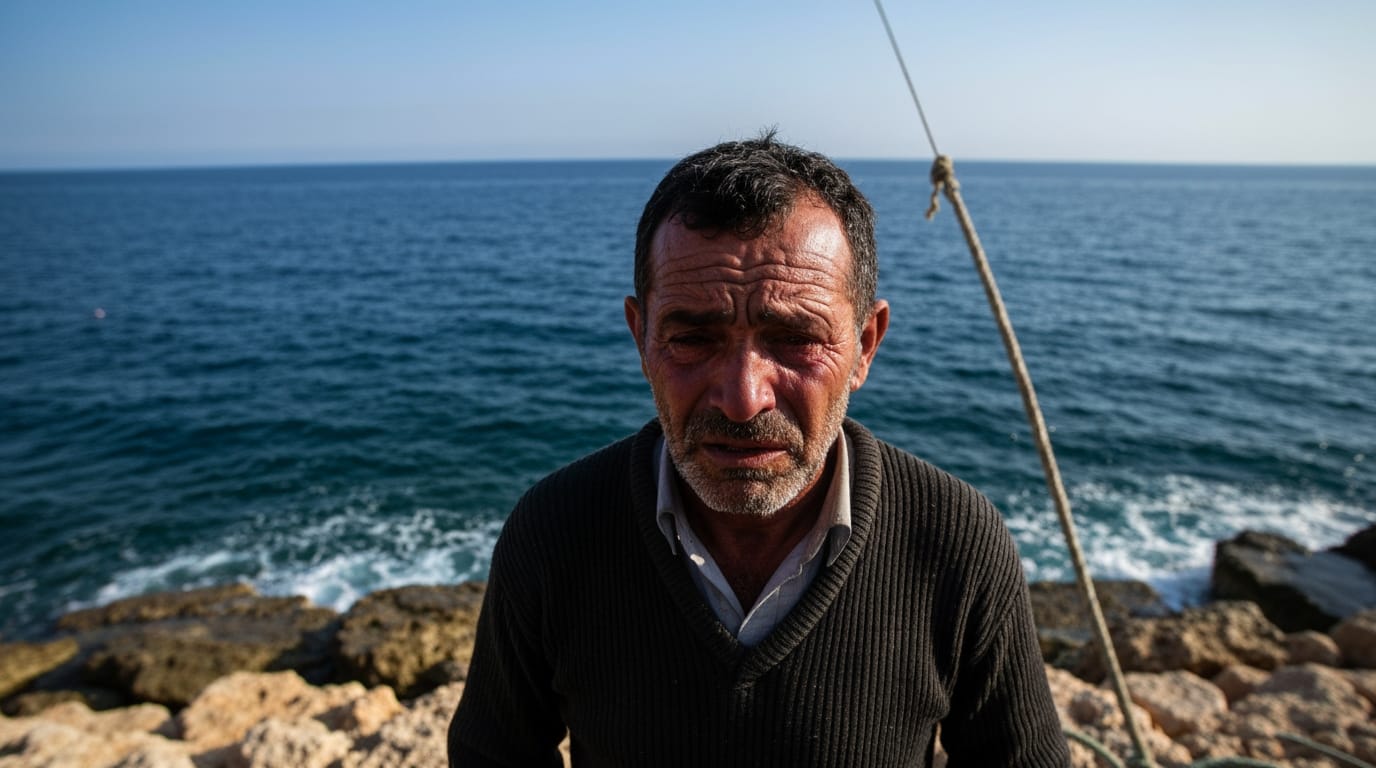
Central Mediterranean Sea - In a grim continuation of the humanitarian crisis unfolding across the Mediterranean, a migrant boat carrying an estimated 110 people capsized off the coast of Libya, leaving approximately 80 individuals missing and presumed drowned. The tragic incident, occurring on Friday, April 5, underscores the persistent dangers faced by those attempting the perilous sea crossing to Europe and highlights the escalating death toll in the region.
The vessel, a wooden boat approximately 12-15 meters long, had departed from Tripoli, Libya, before encountering distress in international waters. An aircraft operated by a non-governmental organization (NGO) initially raised the alarm, spotting the overturned boat and individuals clinging to its wreckage or struggling in the water. Rescue operations, promptly launched by the Italian Coast Guard and assisted by nearby merchant ships, managed to save 32 survivors. However, rescuers only recovered two bodies from the scene, with the vast majority of those on board now unaccounted for. Survivors were subsequently transported to the Italian island of Lampedusa, where they recounted the harrowing moments leading to the capsizing of the overcrowded boat.
A Recurring Nightmare: The Mediterranean's Deadly Waters
This latest tragedy follows a concerning pattern of increasing fatalities in the Central Mediterranean, a route identified by Frontex as the most active and perilous for irregular migration into the European Union. Just five months prior, in October 2025, another boat carrying around 35 migrants from Libya capsized in the central Mediterranean near Lampedusa, resulting in one confirmed death—a pregnant woman—and two dozen missing. Italian Coast Guard efforts in that incident rescued 11 individuals, including four unaccompanied children, after the boat had been at sea for two days.
The International Organization for Migration (IOM) has described early 2026 as the "deadliest start to a year" for Mediterranean migrant crossings in over a decade. By February 23, 2026, at least 606 people had been reported dead or missing in the Mediterranean, a figure that climbed to 655 by mid-March for January and February alone. This stark number represents more than double the fatalities recorded during the same period in the previous year. The mounting death toll highlights the severe risks associated with these journeys, often undertaken in unseaworthy and overcrowded vessels.
The Perilous Journey: Overcrowding, Weather, and Smuggler Tactics
The reasons behind such catastrophic loss of life are multifaceted, encompassing the inherent dangers of the sea, the practices of human smugglers, and the geopolitical complexities of migration. Migrants, many fleeing conflict, poverty, and persecution, often embark on these voyages from North African countries like Libya and Tunisia, hoping to reach European shores. These trips are typically facilitated by smuggling networks that pack individuals onto flimsy, ill-equipped boats, prioritizing profit over human safety.
Overcrowding is a persistent issue, making vessels inherently unstable and vulnerable to rough seas. Compounding this, migrants often face long journeys without adequate food, water, or safety equipment. Extreme weather conditions frequently exacerbate the dangers. For instance, severe weather, including events like Cyclone Harry in mid-February 2026, has been cited as a significant factor in the high fatality rates observed this year.
Furthermore, the evolving tactics of smugglers, influenced by heightened border control efforts, contribute to increased risks. Researchers like Arnaud Banos from France's CNRS science body suggest that intensified pressure to prevent departures pushes smugglers to utilize longer, less-monitored routes, making vessels less visible to rescuers and exposing migrants to harsher elements. Italy's agreements with Tunisia and Libya, aimed at curbing migrant flows, have reportedly led smugglers to operate from more remote areas, further extending the duration and danger of these crossings.
The Broader Crisis: Statistics and Unseen Tragedies
The incidents of early 2026 and late 2025 are not isolated. Data from the IOM indicates that at least 2,185 people died or went missing in the Mediterranean throughout 2025. Globally, the IOM recorded 7,667 deaths or disappearances on migration routes in 2025, although the actual figures are likely higher due to challenges in data collection and "invisible shipwrecks" where no survivors or wreckage are found. Frontex, the European Border and Coast Guard Agency, estimated 1,878 lives were lost in the Mediterranean in 2025. The organization also noted that irregular border crossings on the Central Mediterranean route remained broadly consistent in 2025 with the previous year, despite an overall decrease in irregular entries into the EU.
The scale of this crisis is profound, with United Nations agencies noting that more than 32,700 migrants have died attempting to cross the Mediterranean since 2014, with an estimated one in five being children. The persistent loss of life has prompted calls from the IOM for expanded search and rescue efforts, safer disembarkation procedures, and stronger regional cooperation to save lives.
Past incidents, such as the June 2023 Pylos disaster off Greece, where an overcrowded fishing trawler capsized with hundreds feared dead, continue to resonate. That event also raised questions about rescue protocols, with some survivors alleging that the Greek Coast Guard's actions may have contributed to the capsizing—a claim denied by Greek authorities. Such controversies underscore the complex and often contentious nature of maritime rescue operations in the Mediterranean.
Conclusion: An Enduring Humanitarian Challenge
The Mediterranean continues to be a focal point of a profound humanitarian crisis, with the recent capsizing off the Libyan coast serving as a stark reminder of the human cost of irregular migration. Despite efforts by rescue agencies and international organizations, the inherent dangers of the sea, coupled with the exploitation by smugglers and the complexities of international migration policies, continue to claim scores of lives. The "deadliest start to a year" in over a decade for Mediterranean crossings signals an urgent need for renewed focus on safe and legal pathways, alongside robust search and rescue operations, to prevent further avoidable tragedies in these treacherous waters.


