Pope's Easter Message: Leaders Urged to Choose Peace Over War Amidst Global Strife
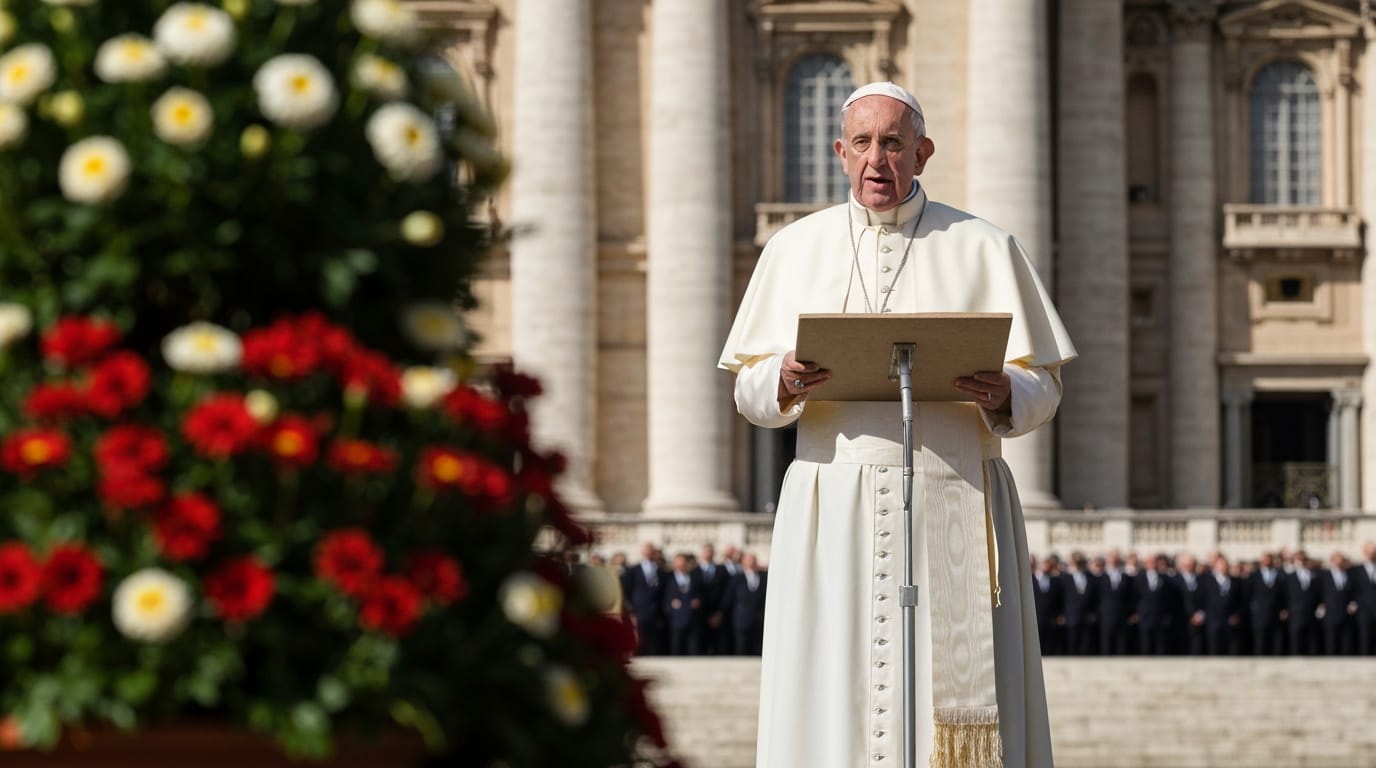
VATICAN CITY – In a world grappling with persistent and escalating conflicts, the Vatican has consistently used its most solemn occasion, Easter, to issue a powerful and unequivocal plea for peace. From the sacred balcony of St. Peter's Basilica, successive pontiffs have implored global leaders to abandon the "logic of weapons" in favor of dialogue and diplomacy, urging a profound moral shift to alleviate human suffering in war-torn regions across the globe. This year, Pope Leo XIV, in his inaugural Easter message, echoed the fervent appeals of his predecessor, Pope Francis, underscoring the urgent need for a cessation of hostilities and a renewed commitment to reconciliation.
The annual "Urbi et Orbi" (to the city and the world) blessing serves as a critical platform for the Pope to address geopolitical challenges, with the message of peace consistently at its core. This tradition transforms the spiritual significance of Easter into a universal call for human fraternity, highlighting the immense human cost of war and the moral imperative for peace. The continuity of this message across pontificates reflects a deeply entrenched belief within the Catholic Church that peace is not merely the absence of war, but a state born of justice, dialogue, and mutual respect.
A Consistent Call for Dialogue and Diplomacy
The central tenet of the Pope's Easter messages on peace revolves around the unwavering conviction that dialogue, not armed conflict, is the only sustainable path to resolution. Pope Leo XIV, in his first Easter Sunday address, urged "those who have the power to unleash wars to choose peace," clarifying that this must be a peace achieved through dialogue, "not with the desire to dominate others, but to encounter them." This echoes Pope Francis's frequent condemnation of war as "always an absurdity and a defeat," a perspective he articulated even in his 2024 Easter message. Francis consistently appealed for leaders to "open the door to negotiation, and to gestures of dialogue and encounter," emphasizing that "peace is never made with weapons, but with outstretched hands and open hearts."
The Vatican's approach is often described as "soft diplomacy," focusing on encouraging nonviolence and seeking solutions through diplomatic efforts rather than military means. This consistent advocacy highlights the Church's role as a moral voice on the international stage, pushing back against what it perceives as a growing "globalization of indifference" to suffering caused by conflict. Both Pope Francis and Pope Leo XIV have warned against becoming accustomed to violence, urging a reawakening of conscience among individuals and leaders alike.
Global Hotspots and Humanitarian Crises
Each year, the Pope's Easter message meticulously catalogs the world's most acute conflict zones, transforming the Vatican's balcony into a pulpit for the voiceless. The ongoing wars in Ukraine and Gaza have featured prominently in recent addresses, with urgent appeals for ceasefires, humanitarian aid, and the release of hostages. Pope Francis, in 2024, specifically mentioned the suffering children in these regions who have "forgotten how to smile," highlighting the profound psychological toll of prolonged conflict. He called for a general exchange of all prisoners between Russia and Ukraine and the immediate release of those held from Israel.
Beyond these immediate crises, the pontiffs have consistently drawn attention to a wider tapestry of human suffering. Syria, enduring over a decade of devastating war, remains a frequent point of concern, with calls for international community action and humanitarian assistance. Other regions regularly cited include Yemen, plagued by one of the world's worst humanitarian crises; various nations in Africa such as Mali, Nigeria, South Sudan, and the Democratic Republic of Congo, grappling with violence and instability; and the Korean peninsula, where hopes for reconciliation are frequently voiced. The plight of the Rohingya, Haitians, and victims of human trafficking have also been brought to the world's attention during these addresses. The specificity of these mentions underscores the Vatican's comprehensive awareness of global suffering and its commitment to advocating for all those affected by war.
Condemnation of Indifference and the Arms Trade
A recurring theme in the Easter messages is the stark criticism of global indifference to suffering and the "scandalous" paradox of increasing military expenditure amidst widespread social and economic crises. Pope Francis, in his 2021 Easter message, deemed it "scandalous" that armed conflicts persist and military arsenals are strengthened even as a pandemic caused immense hardship. He noted the global contraction in economic output in 2020, contrasted with a rise in military spending, particularly in Europe.
The Popes have consistently lamented the "great thirst for death, for killing" witnessed daily in conflicts worldwide. Pope Leo XIV, echoing his predecessor, warned against humanity "growing accustomed to violence, resigning ourselves to it, and becoming indifferent" to the deaths of thousands. This "globalization of indifference" creates a dangerous climate where the violence of war, the exploitation of the weak, and the "idolatry of profit" continue unchecked. The call for peace, therefore, is not just a political stance, but a profound moral and spiritual one, challenging the fundamental priorities of nations and individuals.
The Moral Imperative for Leaders
The Easter message serves as a direct appeal to the consciences of political and military leaders. Pope Leo XIV explicitly called on "all political and military leaders" to allow the "light of the risen Christ" to illuminate their consciences, urging a "swift end to the carnage." This is framed not as a suggestion, but as a moral imperative rooted in the Christian belief in the nonviolent power of the Resurrection. The "power with which Christ rose is entirely nonviolent," the Pope explained, fostering respectful relationships at all levels, from individuals to nations.
The popes underscore that true strength lies not in violence, but in humility, forgiveness, and the courage to pursue peace through non-aggressive means. Leaders are challenged to resist the "logic of fear" that leads to isolation and to instead utilize resources for aiding the needy, fighting hunger, and promoting development. The message implies accountability, with Pope Leo XIV on Good Friday reminding leaders that their actions will be judged.
A Continuous Beacon of Hope
In conclusion, the Pope's Easter message consistently stands as a powerful and deeply felt appeal for global peace. From the initial calls of Pope Francis in 2013 to the inaugural message of Pope Leo XIV in 2026, the central theme remains constant: humanity must reject the futility of war and embrace the transformative power of dialogue, empathy, and reconciliation. The recurring emphasis on specific conflicts like Ukraine and Gaza, coupled with a broader condemnation of indifference and the arms trade, paints a stark picture of a world desperately in need of spiritual and political healing. The Vatican, through its annual Easter address, continues to serve as a beacon of hope, advocating for the vulnerable and challenging leaders to choose a path of peace for a more humane and fraternal future. The consistent invocation for leaders to lay down weapons and choose dialogue reaffirms the Church's unwavering commitment to a world where hatred gives way to love, vengeance to forgiveness, and war to peace.


