Deadly Attacks Claim 16 Lives, Underscoring Honduras' Persistent Security Crisis
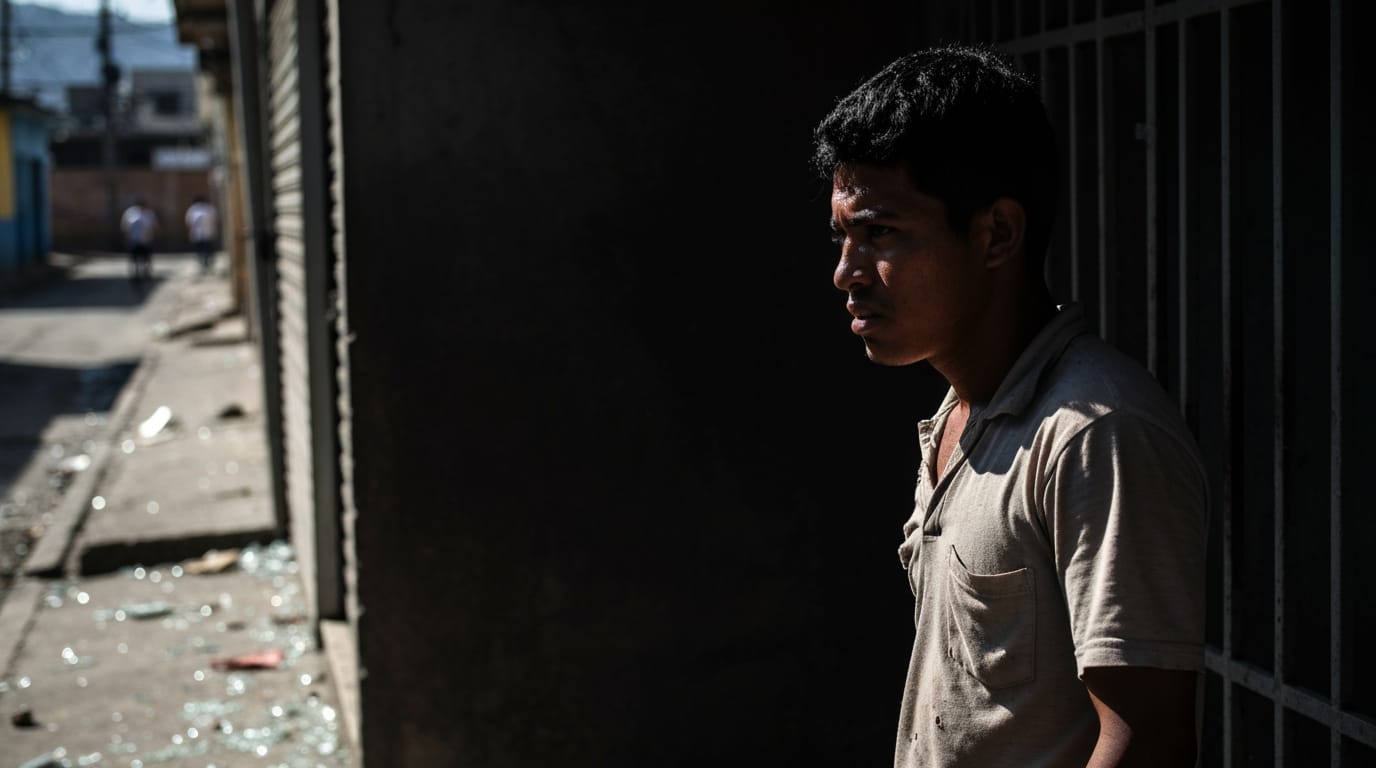
TEGUCIGALPA, Honduras – In a stark reminder of the pervasive violence plaguing Honduras, two separate armed attacks along the country's coast on Thursday resulted in the deaths of at least 16 people, including six police officers. The coordinated assaults have intensified scrutiny on the nation's ongoing struggle against organized crime, drug trafficking, and rampant gang activity, despite recent government efforts to curb the bloodshed. These tragic incidents highlight the severe security challenges that continue to grip communities and threaten stability across the Central American nation.
Details of the Recent Carnage
The wave of violence began in the northern municipality of Trujillo, where gunmen opened fire at a ranch, killing at least 10 workers. Honduran National Police spokesperson Edgardo Barahona confirmed the deaths, noting that the overall toll remained unclear as some relatives had removed bodies from the scene. The Trujillo region, rich in resources, has long been a flashpoint for agrarian conflicts, potentially adding another layer of complexity to the motive behind this massacre.
Hours later, a second, equally brutal ambush occurred near the Guatemalan border in Omoa, a municipality within the Cortés department. Assailants targeted police officers who were traveling from the capital, Tegucigalpa, on an anti-gang mission. Six officers, including a senior official, were killed when their convoy was ambushed. These attacks, occurring within hours of each other, signal a bold and escalating challenge from criminal elements against both civilians and state authority. Investigators, including forensic specialists and prosecutors, have been dispatched to both scenes to probe the incidents.
Honduras' Enduring Scourge of Violence
Honduras has long grappled with alarmingly high levels of violence, consistently ranking among the world's most dangerous countries. While the nation saw its homicide rate peak in 2012, with 85.5 murders per 100,000 people, it has experienced a notable, though fragile, decline in recent years. Police reported 3,661 murders in 2022, translating to a homicide rate of 38 per 100,000, and preliminary data for January through September 2023 showed a 16 percent drop over the same period in 2022. Some estimates even suggest a further reduction to around 25.3 homicides per 100,000 residents by the end of 2024.
However, these overall reductions often mask the grim reality on the ground, particularly the continued proliferation of violence in rural areas and specific departments. The violence is largely fueled by a toxic combination of powerful transnational criminal organizations, such as MS-13 and the 18th Street gangs, which boast an estimated 40,000 members in the country. These gangs engage in a wide array of illicit activities, including drug trafficking, extortion, and murder-for-hire schemes. Extortion alone is a massive enterprise, with gangs reportedly earning an estimated $737 million per year by coercing businesses and individuals into paying "war taxes." Resistance to these demands often results in death, forcing many businesses to close and contributing to a cycle of fear and displacement.
Beyond gang warfare, land disputes, often intertwined with resource control, also contribute significantly to the violence, particularly in regions like Trujillo. The human cost extends beyond direct casualties, leading to internal displacement and forcing many Hondurans to seek refuge elsewhere.
Government's Stance and Security Measures
In response to the persistent insecurity, President Xiomara Castro's administration has intensified its efforts to combat organized crime. In December 2022, Honduras declared a state of emergency, which has been repeatedly extended, allowing for the suspension of certain constitutional rights, such as freedom of association and assembly, and enabling security forces to conduct arrests and searches without warrants. This measure, mirroring a controversial approach taken in neighboring El Salvador, has expanded its reach from specific neighborhoods to encompass 226 of the country's 298 municipalities.
A key component of the government's strategy has been the militarization of public security. In June 2023, following a devastating prison riot that killed 46 women inmates, President Castro placed all prisons under military control. This controversial move, while aimed at restoring order, has raised human rights concerns. Furthermore, in June 2024, the President announced plans for a 20,000-capacity "megaprison" and declared an intention to classify gang members as terrorists, underscoring a hardline approach to law enforcement. While these measures have been credited by the government with contributing to the reported decrease in homicide rates, some experts suggest that the reduction in urban violence may also be due to shifting gang tactics, such as an increase in forced disappearances over more public homicides.
The Human Toll and Regional Implications
The recent attacks underscore the profound human toll of Honduras' security crisis. The victims include not only members of law enforcement dedicated to public safety but also ordinary workers caught in the crossfire of criminal conflicts. Beyond the immediate casualties, the environment of fear and impunity erodes public trust in institutions and hinders societal development. Human rights defenders, journalists, and vulnerable populations, including LGBTQ+ individuals, continue to be disproportionately targeted.
Corruption within the justice system further exacerbates the problem, with organized criminal groups often paying off police, prosecutors, and judges, leading to widespread impunity. This systemic corruption not only undermines the rule of law but also fuels further violence. The dire security situation is also a significant driver of migration, as many Hondurans are compelled to leave their homes in search of safety and better opportunities.
Conclusion
The deadly attacks in Trujillo and Omoa serve as a potent reminder of the complex and deeply entrenched security challenges facing Honduras. Despite governmental declarations of states of emergency and increased militarization, the nation continues to battle powerful criminal organizations that sow fear and instability. While there have been reported declines in overall homicide rates, the recent targeting of both civilians and police highlights the ongoing and adaptive threat posed by these groups. Honduras remains at a critical juncture, with its path toward lasting peace and security dependent on comprehensive strategies that address not only immediate violence but also the underlying issues of poverty, corruption, and systemic impunity.


