Deadly Collision on Great Belt Bridge Shakes Denmark
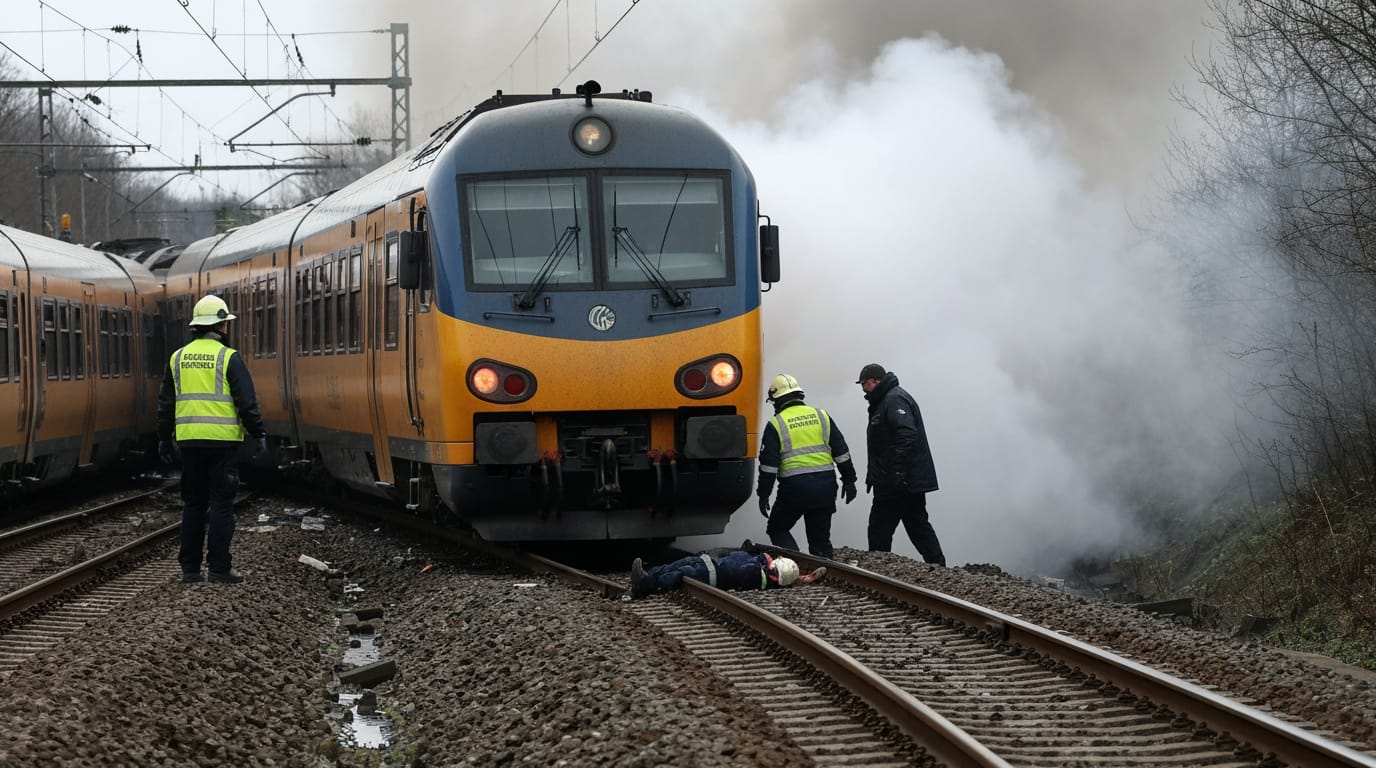
COPENHAGEN, Denmark – A catastrophic incident on Denmark’s iconic Great Belt Bridge on January 2, 2019, resulted in the deaths of eight passengers and injuries to 16 others when a high-speed passenger train collided with debris, later identified as a semi-trailer, that had fallen from a passing freight train during a severe storm. The devastating accident, which occurred amidst powerful winds, marked Denmark’s deadliest railway disaster in over three decades, plunging the nation into mourning and prompting an intensive investigation into the circumstances that led to the tragedy.
The Catastrophic Morning on Storebælt
The fatal collision unfolded shortly before 8 a.m. local time on the western span of the Great Belt Fixed Link, a vital connection between Denmark's central islands of Funen and Zealand. A passenger train, operated by Danish Railways and carrying 131 passengers and three staff, was en route from Odense to Copenhagen when it encountered the detached cargo. Eyewitness accounts described a "huge 'bang'" as the passenger train was struck, followed by immediate braking. Aerial television footage captured the harrowing aftermath, showing the front side of the passenger train severely ripped open.
The conditions at the time were exceptionally challenging due to Storm Alfrida, which brought severe winds that had already forced the closure of the bridge to road traffic overnight. Despite the gale-force winds, rail traffic was permitted to continue, a decision that would later come under scrutiny. Emergency services faced considerable difficulties reaching the accident site, battling the intense weather to initiate rescue operations and assist the wounded. An emergency reception center was quickly established in a sports center in Nyborg, at the western end of the bridge, offering aid and psychological support to those affected.
Unraveling the Cause: Falling Cargo Amidst High Winds
Initial reports and speculation pointed to a tarpaulin from the freight train as the object that struck the passenger train. However, the Danish Accident Investigation Board later clarified that the passenger train had collided with an empty semi-trailer that had fallen from the freight wagon traveling in the opposite direction. Photos from the scene corroborated this, displaying crates of beer on the freight train and a tarpaulin torn to pieces, indicating the force of the winds and the extent of the damage to the cargo.
The freight train involved belonged to the Danish brewery group Carlsberg, which confirmed its cargo was implicated in the incident. The powerful winds from Storm Alfrida are considered a primary factor in dislodging the semi-trailer, creating a deadly projectile on the active railway line. Investigators confirmed that the incident was a collision between the passenger train and an object that had detached from the freight train, though the precise dynamics of whether the trailer hit the passenger train or the train drove into it were initially unclear. The decision to maintain rail services across the bridge, despite the closure to road traffic due to the same severe weather, became a central point of the ongoing investigation.
The Human Cost and National Outpouring
The Great Belt Bridge tragedy claimed the lives of eight individuals and left 16 injured. All fatalities were identified as Danish citizens, comprising five women and three men aged between 27 and 60 years old. The injured sustained varying degrees of harm, with 14 experiencing minor injuries and two categorized with moderate injuries; none were considered life-threatening. The identification of the victims was completed two days after the incident, bringing some closure to grieving families.
The accident resonated deeply across Denmark, evoking profound sorrow and a national outpouring of condolences. Prime Minister Lars Løkke Rasmussen expressed his sympathies, stating that "Ordinary Danes on their way to work or heading home from the Christmas holidays have had their lives smashed." Queen Margrethe also conveyed her deep sadness over the "terrible accident." The incident was the deadliest rail accident in Denmark since 1988, when eight people died and 72 were injured in a derailment near Sorø. Historically, Denmark's worst train accident occurred in 1919, claiming 40 lives. The 2019 bridge accident underscored the inherent vulnerabilities of even modern transportation infrastructure when confronted with extreme natural forces.
Aftermath and Ongoing Investigation
In the immediate aftermath, the Great Belt Bridge was closed to all traffic, disrupting a crucial transportation link that typically carries approximately 21,000 train passengers and over 27,000 vehicles daily. Danish rail operator Banedanmark anticipated a prolonged closure of rail traffic, which impacts a route connecting Denmark and Sweden to Germany. The extensive damage to the passenger train, including its ripped-open side, necessitated thorough forensic examination and recovery efforts.
The Danish Accident Investigation Board launched a comprehensive inquiry, acknowledging that a full determination of the accident's cause could take months. The investigation focused on multiple aspects, including the integrity of the freight train's cargo securing mechanisms, the protocols for operating trains during severe weather conditions, and the structural implications of such an impact on a passenger carriage. While initial media focus leaned on the weather, investigators meticulously pieced together the sequence of events to ascertain all contributing factors. The incident prompted a critical re-evaluation of safety protocols for rail operations on exposed infrastructure, particularly during periods of high wind, to prevent similar catastrophes in the future.
The Great Belt Bridge accident serves as a somber reminder of the unforgiving power of nature and the constant need for vigilance in ensuring the safety of public transportation, even on state-of-the-art infrastructure. The lessons learned from this tragic event are expected to inform future safety measures, not only in Denmark but potentially across international railway systems grappling with the challenges of extreme weather.


