Deadly Deluge Grips Southern and Eastern Spain, Claiming Three Lives, Causing Widespread Chaos
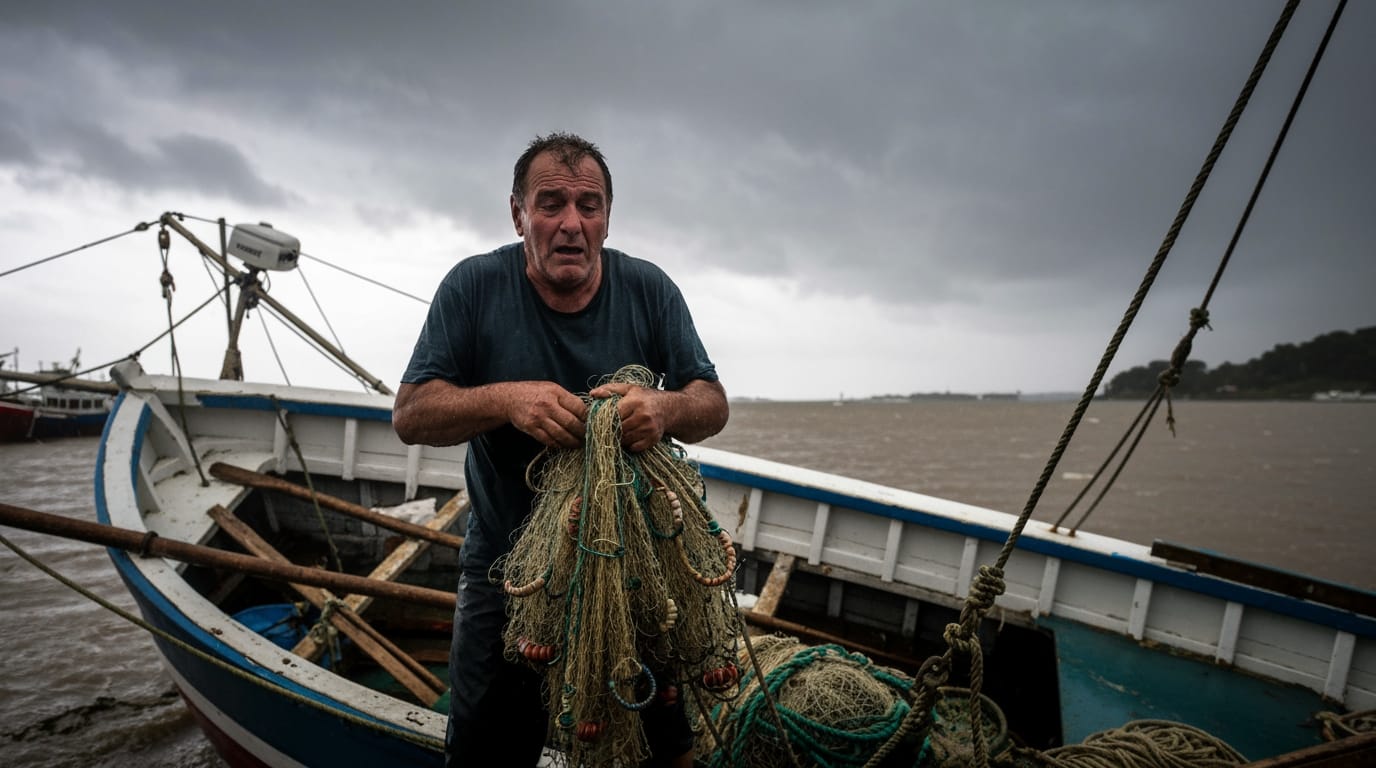
MALAGA, SPAIN – Torrential rains and flash floods ravaged southern and eastern Spain over the weekend of December 28-29, 2025, leaving a trail of destruction, claiming three lives, and prompting widespread emergency responses. The extreme weather, characterized by overflowing rivers and submerged communities, forced hundreds to evacuate and brought stark reminders of devastating floods just a year prior.
The intense rainfall led to severe flooding across multiple provinces, with Málaga and Valencia bearing the brunt of the storm's fury. Initial reports indicated one fatality and two individuals missing, triggering urgent search and rescue operations by emergency services and volunteers. However, subsequent efforts tragically confirmed a higher death toll as the bodies of the two missing individuals were recovered.
The Immediate Impact: Rivers Swell, Lives Lost
The deluge began to intensify over the weekend, transforming normally docile rivers into raging torrents. In the province of Málaga, the Guadalhorce River, a significant waterway in the region, swelled to historic levels, reaching a record peak of 5.7 to 5.8 meters and bursting its banks in areas like Cartama. This surge of water, coupled with intense precipitation, led to widespread flash flooding.
The human cost quickly became apparent. Near Alhaurín el Grande, in Málaga province, two men, aged 53 and 54, were swept away by the swollen Fahala River. They had reportedly attempted to cross the river on foot after their vehicle became impassable. One of the men, identified as Francisco, was found deceased in Cartama. His companion, Antonio, a local café owner, was initially reported missing but his body was later discovered in a thicket of reeds near Cartama, bringing the death toll for this incident to two.
A separate, equally tragic incident unfolded in the province of Granada. A young motorcyclist attempting to cross a storm-swollen stream near Illora was also swept away. This individual was later confirmed to have died, bringing the total number of fatalities from the weekend's storms to three across southern Spain. These grim discoveries underscored the severe dangers posed by the rapidly rising floodwaters.
Warnings and Preparations: Echoes of Past Catastrophe
Authorities had issued urgent warnings as the storm approached, highlighting the potential for extreme danger. The State Meteorological Agency (AEMET) placed the Costa del Sol and Guadalhorce Valley regions under a rare red alert, signifying "extraordinary danger," with forecasts predicting up to 120 liters of rain per square meter within a 12-hour period. In Valencia, where a separate, equally severe weather system named Storm Emilia had triggered red alerts earlier in December, residents were urged to stay indoors and seek higher ground, with forecasts of rainfall potentially exceeding 250 millimeters.
These heightened alerts were disseminated through various channels, including direct SMS warnings to mobile phones in 27 municipalities within Málaga province, advising residents to avoid travel and stay clear of riverbanks. The urgency of these warnings was deeply informed by recent history. Spain, particularly the eastern region of Valencia, experienced its deadliest floods in decades in October 2024, an event known as DANA, which claimed over 220 lives and caused billions of euros in damage. The memory of that disaster, which prompted the resignation of the regional leader, undoubtedly spurred authorities to take more aggressive preventative measures this time.
Widespread Disruption and Community Solidarity
Beyond the tragic loss of life, the torrential rains left extensive damage and widespread disruption. In Cartama, one of the hardest-hit areas, over 80 homes and businesses, along with approximately 40 vehicles, suffered damage. Streets were inundated, homes and garages flooded, and residents reported floodwaters nearly a meter high in some urban areas. Golf ball-sized hail also contributed to the chaos in Alhaurín el Grande and other localities, damaging cars and roofs. Key roads, such as the MA-5401 in Casarabonela and the A-7057 in Cartama, were cut off, isolating communities and impeding transportation.
The scale of the disaster prompted a robust response from emergency services. Andalucia's regional government activated Phase 1 of its Flood Risk Emergency Plan, deploying police, civil protection units, firefighters, and local crews. Search parties, comprising civil guard, local police, and numerous volunteers, diligently combed affected areas, particularly along riverbeds, in their efforts to locate the missing and assist those in need. Local officials, such as Mayor Anthony Bermudez of Alhaurín el Grande, publicly thanked authorities, volunteers, and residents for their help during what he described as a "difficult Christmas for the municipality."
The Path Forward: Recovery and Resilience
The immediate aftermath saw communities grappling with significant cleanup efforts. Many families, particularly those without private insurance, faced substantial losses. The town of Cartama formally requested that Spain's government declare it a "disaster zone," a designation that would unlock crucial central government aid for recovery and rebuilding. This request highlighted the profound economic and social impact of the floods, coming after Cartama had already experienced severe storms in November 2024 and March 2025.
The recurring nature of these extreme weather events has underscored Spain's vulnerability to climate change, with the country experiencing more frequent and intense rainfall episodes alongside prolonged heatwaves. As communities begin the arduous process of recovery, the recent storms serve as a potent reminder of the growing challenges posed by a changing climate and the critical importance of continued preparedness and resilient infrastructure in safeguarding lives and livelihoods across the Iberian Peninsula.


