Diplomatic Frost: Russia Expels German Envoy in Latest Espionage Confrontation
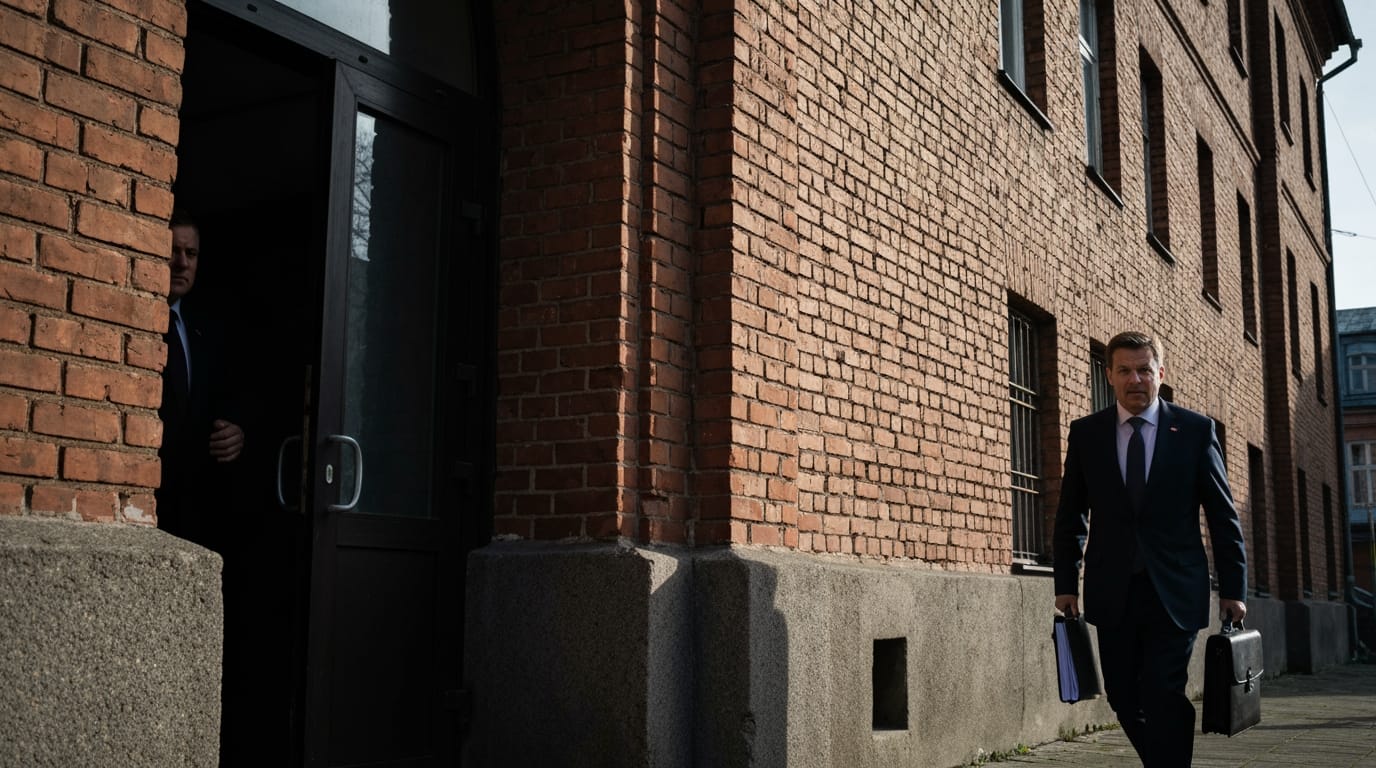
Moscow, Russia – Diplomatic relations between Russia and Germany have plunged into a fresh state of tension following Russia's expulsion of a German diplomat on Thursday, a direct "symmetrical response" to Berlin's earlier removal of a Russian envoy over alleged espionage. The tit-for-tat measure underscores the rapidly deteriorating trust and deepening animosity between the two nations, highlighting an increasingly aggressive landscape of intelligence operations amidst broader geopolitical strains, particularly concerning the ongoing conflict in Ukraine.
The Latest Retaliation: A Military Attaché Declared Persona Non Grata
The Russian Foreign Ministry announced the expulsion of a German diplomat, identified as a member of the military attaché staff at the German Embassy in Moscow, on February 5, 2026. This action was framed as a direct and proportionate response to Germany's earlier expulsion of a Russian diplomat in January. Moscow vehemently rejected Berlin's accusations of espionage against its diplomat, labeling them as "baseless" and a "provocation." The ministry summoned German Ambassador Alexander Lambsdorff to convey the decision, lodging a formal protest and emphasizing Russia's categorical rejection of what it termed "spy mania" promoted in Germany. German Foreign Minister Johann Wadephul swiftly condemned the expulsion as "completely unfounded and totally unacceptable," asserting that Berlin's diplomats adhere strictly to international law, unlike Moscow, which he accused of resorting to unjustified retaliatory measures instead of diplomacy. Wadephul indicated Germany reserves the right to take further action, signaling a potential for continued escalation.
Germany's Initial Move: Countering Alleged Intelligence Operations
The recent diplomatic row ignited in January when Germany declared a Russian embassy staff member persona non grata. This decision followed the arrest of Ilona W., a German-Ukrainian woman, who is suspected of gathering sensitive intelligence related to arms deliveries to Ukraine. Prosecutors allege she maintained contact with an intelligence operative at the Russian Embassy in Berlin since at least November 2023. German authorities articulated a firm stance against such activities, with the Foreign Ministry stating that Berlin would not tolerate espionage on German soil, especially when conducted under diplomatic cover. This action reflected a growing concern within European security services regarding increased Russian intelligence activities across the continent since the full-scale invasion of Ukraine began in February 2022. German counter-intelligence agencies have reportedly increased personnel and resources to combat what they describe as a heightened threat from Russian intelligence agencies seeking to deter Western support for Ukraine.
A Troubling Pattern: Escalating Espionage and Reciprocal Expulsions
The current exchange of expulsions is not an isolated incident but rather the latest in a recurring cycle of espionage allegations and retaliatory measures between Russia and Germany. For years, German security reports have highlighted extensive Russian intelligence operations within the country, often involving individuals operating under diplomatic guise. In March 2023, Germany expelled dozens of Russian diplomats on similar grounds, prompting a reciprocal expulsion of more than 20 German diplomats by Moscow, with Russia accusing Berlin of intentionally undermining bilateral ties. This persistent pattern illustrates the deep-seated mistrust and the continuous, clandestine struggle for influence and information. Russian intelligence services are believed to employ a significant portion of their diplomatic personnel in Germany for espionage, targeting critical infrastructure, political processes, and military secrets.
Deeper Strains: The Shadow of the Tiergarten Murder and Geopolitical Divides
The current diplomatic friction builds upon years of strained relations, notably exacerbated by the 2019 murder of Zelimkhan Khangoshvili, a Georgian citizen of Chechen ethnicity, in Berlin's Tiergarten park. A German court, in a landmark ruling in December 2021, convicted Russian national Vadim Krasikov for the killing, definitively concluding that it was a "state-contracted killing" ordered by the Russian government. This unprecedented verdict, which implicitly labeled the act as "state terrorism" by the central government of the Russian Federation, led to previous mutual expulsions of diplomats. The case of Krasikov, who was eventually part of a major prisoner exchange in August 2024, underscored the audacious nature of Russian covert operations on European soil and further eroded confidence in diplomatic channels. Against the backdrop of these historical grievances and the ongoing war in Ukraine, where Germany is a key supporter of Kyiv, each new allegation of espionage and subsequent expulsion adds another layer of complexity to an already fragile bilateral relationship.
Conclusion: A Cycle of Mistrust with Broader Implications
The latest round of diplomatic expulsions between Russia and Germany signifies more than just a routine tit-for-tat. It reflects a fundamental breakdown in trust and an intensification of covert warfare in an era of heightened geopolitical confrontation. Both nations maintain their positions, with Germany upholding its right to national security and Russia denying all allegations as fabricated provocations. While such expulsions are a common tool in the diplomatic arsenal, their increasing frequency and the severity of the underlying accusations underscore a dangerous trajectory. The continuing cycle of accusations and retaliations not only diminishes diplomatic representation and channels for dialogue but also signals a persistent readiness by both sides to challenge each other's interests through intelligence operations, with potentially wider implications for European stability. This ongoing state of affairs suggests that any meaningful de-escalation remains a distant prospect as long as the underlying geopolitical tensions persist.