Famine's Deadly Grip Tightens on North Darfur as Sudan Faces Unprecedented Humanitarian Catastrophe
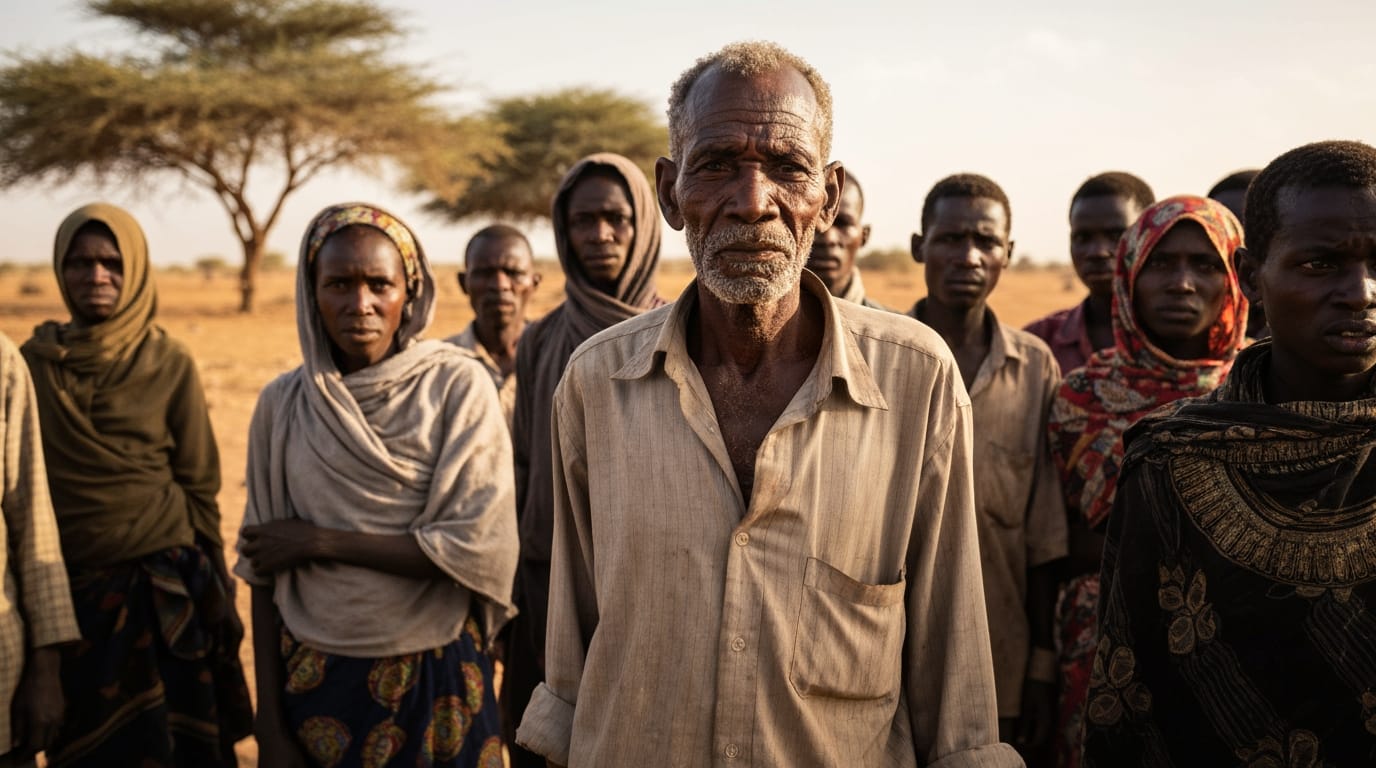
PORT SUDAN, Sudan – A devastating hunger crisis has escalated dramatically in Sudan, with new data confirming that famine conditions have spread to two more localities in North Darfur, signaling a deepening catastrophe across the conflict-ravaged nation. International aid organizations are issuing urgent warnings, stating that more than 375,000 people are now at severe risk of starvation, pushing Sudan to become the country with the highest number of active famine areas globally. This dire pronouncement from the Integrated Food Security Phase Classification (IPC) underscores the lethal consequences of nearly three years of relentless conflict, widespread displacement, and critically impeded humanitarian access that have pushed millions to the brink of survival.
Spreading Starvation: A Crisis Deepens in North Darfur
The latest assessment, released on February 5, 2026, by the IPC, a global authority on food security, confirms that Um Baru and Kernoi localities in North Darfur have now exceeded famine thresholds, reaching Phase 5, the most severe level of food crisis. This grim development follows earlier confirmations of famine in other parts of Sudan, including El Fasher and Kadugli in 2025, and Zamzam displacement camp in North Darfur in August 2024. The expansion into Um Baru and Kernoi means Sudan now tragically holds the distinction of having the most territories experiencing active famine conditions worldwide.
The human cost of this escalating crisis is particularly devastating for the most vulnerable. In Um Baru, nearly 53% of children under five are acutely malnourished, a rate almost double the 30% threshold for famine and three times higher than standard emergency levels. Kernoi also reports a shocking 34% acute malnutrition rate among children in the same age group. These alarming figures suggest a significant risk of increased mortality among children, who are already dying from hunger-related causes. Across Sudan, acute malnutrition is projected to worsen throughout 2026, with a 13.5% increase expected in cases affecting children under five and pregnant or breastfeeding women, rising from 3.7 million in 2025 to nearly 4.2 million. The overall picture is bleak, with over 21 million people across Sudan currently facing acute food insecurity, including more than 375,000 in active famine conditions.
Conflict, Displacement, and Economic Collapse: The Roots of Hunger
The primary drivers behind this catastrophic humanitarian situation are the protracted conflict between the Sudanese Armed Forces (SAF) and the paramilitary Rapid Support Forces (RSF), coupled with mass displacement, economic collapse, and severe restrictions on humanitarian access. The conflict, which ignited in April 2023, has ravaged civilian infrastructure, crippled basic services, and destabilized the entire country.
Sudan now endures the world's largest displacement crisis. Approximately 9.6 million people have been forced from their homes within the country, seeking refuge from the violence. In El Fasher alone, over 1.2 million individuals were displaced since late 2025, with an additional 4 million Sudanese seeking safety in neighboring countries such as Chad and South Sudan. The sheer scale of displacement, with an estimated 11.8 million people uprooted as of September 2025 (7.4 million internally displaced and 4.2 million in other countries), places immense strain on already scarce resources and exacerbates food insecurity. Furthermore, the conflict's deliberate obstruction of humanitarian aid by both warring parties, including denials of access, bureaucratic hurdles, and even the expulsion of aid workers and refusal of visas, has severely hampered efforts to reach starving populations. Beyond the direct conflict, climate change, manifesting in devastating droughts and floods, has further compounded the crisis by impacting agricultural production and natural resources.
A Dire Humanitarian Response and Funding Gap
The humanitarian community is struggling to respond effectively to the overwhelming needs. Despite the urgent warnings, the 2026 humanitarian response plan for Sudan, which requires $2.9 billion, has received only a meager 5.5% of the necessary funds. This severe lack of funding, combined with extremely limited humanitarian access due to ongoing conflict, blockades, insecurity, and administrative obstacles, creates a deadly bottleneck for aid delivery. In some areas, humanitarian teams are completely unable to enter, leaving millions without life-saving assistance.
The hunger crisis is not isolated; it is occurring amidst a broader collapse of essential services. Health systems have virtually disintegrated, with an estimated 80% of facilities damaged or non-functional. This has led to widespread outbreaks of preventable diseases like cholera, measles, and diarrhea, particularly in overcrowded displacement camps where access to safe water and sanitation is severely limited. The interaction of malnutrition and disease creates a vicious cycle, drastically increasing the risk of mortality, especially for young children whose immune systems are already compromised. Aid organizations, such as Action Against Hunger, are working in hotspots across Darfur and other regions, providing health, nutrition, and water and sanitation support, but their efforts are severely constrained by the challenging environment and inadequate resources.
Echoes of the Past: A Crisis Rooted in Deep-Seated Conflict
The current humanitarian catastrophe in Darfur bears disturbing resemblances to the atrocities and suffering witnessed in the region two decades ago. The conflict's brutality, marked by ethnically targeted killings by militias descended from the notorious Janjaweed, has been acknowledged by the United States, with the U.S. Secretary of State determining in 2025 that the RSF is committing genocide in Darfur.
The ongoing war between the SAF and RSF has resulted in widespread civilian suffering and mass displacement, leading to the collapse of governance and fragmentation across the country. While peace talks have been attempted, mediation efforts have consistently failed to achieve meaningful breakthroughs. The international community has faced challenges in its response, partly due to the complex nature of internal crises and the political sensitivities involved. Without an immediate cessation of hostilities, unimpeded humanitarian access, and a significant mobilization of international funds, the crisis in Sudan is poised to worsen dramatically, pushing millions more toward starvation and preventable death.
Urgent Call for Action
As the world watches, Sudan's famine expands, claiming lives and dismantling communities with increasing speed. The new data confirming famine-level malnutrition in Um Baru and Kernoi serves as a stark warning that the situation is deteriorating rapidly and requires an urgent, coordinated, and substantial international response. Without an immediate end to the conflict, guaranteed safe passage for humanitarian aid, and a massive injection of funding, the already catastrophic death toll from hunger and disease will continue to climb, leaving an indelible scar on the lives of millions of Sudanese.


