Deadly Suicide Bombing Rocks Islamabad Mosque, Islamic State Affiliate Claims Responsibility
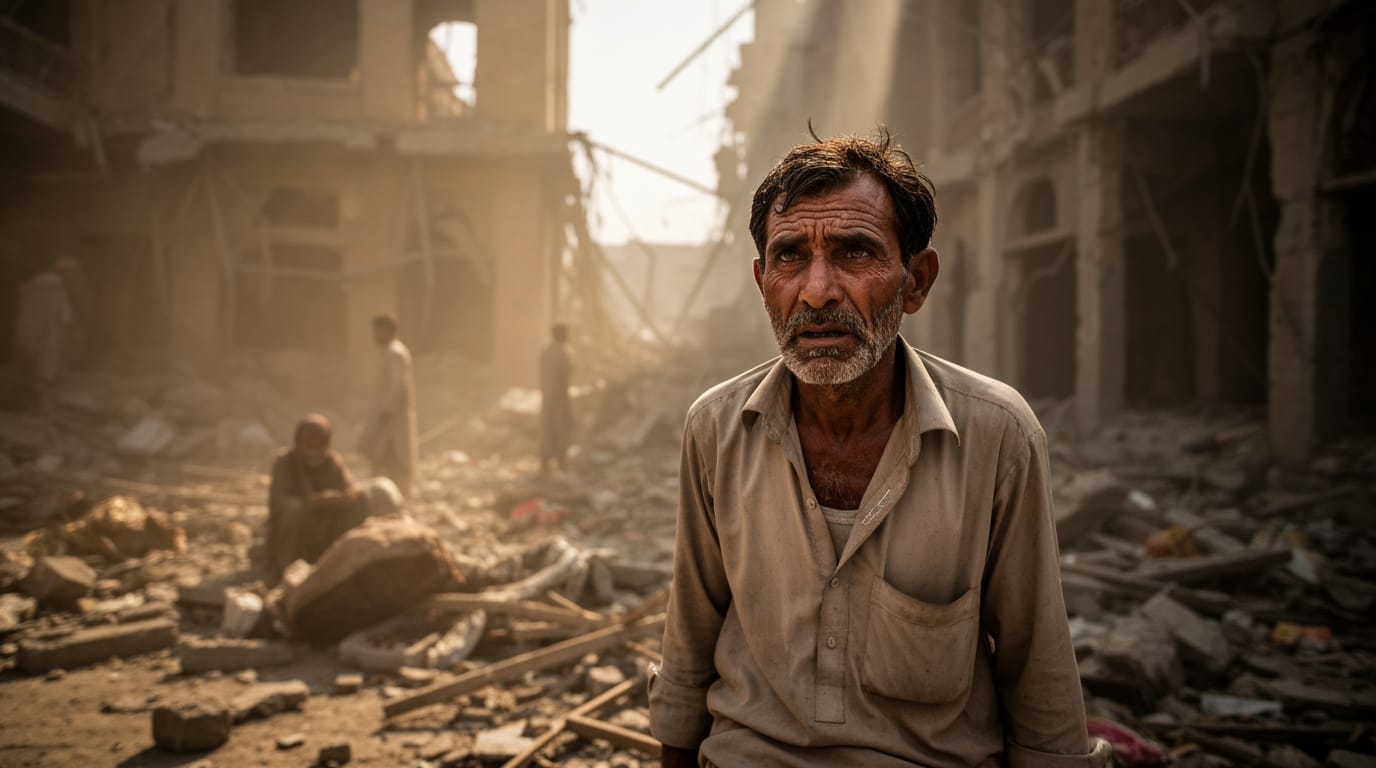
ISLAMABAD, Pakistan – A devastating suicide bombing ripped through a Shiite mosque on the outskirts of Pakistan's capital during Friday prayers, killing 31 individuals and wounding 169 others, marking the deadliest attack in Islamabad in over a decade. The regional affiliate of the Islamic State group, known as Islamic State-Khorasan (IS-K) or Islamic State in Pakistan, swiftly claimed responsibility for the carnage, igniting fresh concerns over the resurgence of militant violence across the nation. The assault plunged the capital into mourning, with funerals for the victims held under tight security at the same mosque on Saturday.
The Attack and Its Aftermath
The deadly incident unfolded on Friday, February 6, 2026, as worshippers gathered for weekly congregational prayers. The attacker reportedly opened fire on security guards attempting to halt him at the main entrance before detonating an explosive vest inside the mosque's inner compound. The force of the blast shattered windows in the mosque and surrounding homes, leaving a scene of widespread destruction and chaos. Rescuers and witnesses described many of the injured as being in critical condition, overwhelming local hospitals with casualties. Television footage and social media images depicted the frantic efforts of police and residents transporting the wounded to medical facilities.
Islamic State's Justification and Escalating Threat
In a statement circulated through its Amaq News Agency, the Islamic State affiliate took credit for the attack. The group explicitly stated its rationale for targeting Shiite worshippers, labeling them a "human reservoir" that provides recruits to Shiite militias engaged in conflict with the Islamic State in Syria. This pronouncement underscores a sectarian dimension to the violence, a recurring pattern in militant attacks against Pakistan's minority Shiite community, which has endured consistent assaults since the 1980s and 1990s.
The bombing represents a stark escalation in militant activity within Pakistan, which has witnessed a surge in violence in recent months. While Islamabad typically experiences fewer such attacks compared to other regions, this latest act of terror is the capital's deadliest since the 2008 Marriott Hotel bombing, which claimed 63 lives. It also follows a November incident where a suicide bomber outside a court in the capital killed 12 people. This pattern of increased militancy poses a significant challenge to Prime Minister Shehbaz Sharif's government, which is grappling with the deteriorating security situation.
Accusations and International Tensions
Following the attack, Pakistani authorities quickly pointed towards a cross-border connection, implicating Afghanistan in the planning and training of the suicide bomber. Deputy Interior Minister Talal Chaudhry stated that while the bomber was not an Afghan national, evidence indicated multiple trips to Afghanistan for training. Pakistan's Defense Minister Khawaja Asif further complicated the narrative by suggesting alleged Indian involvement in the attack, organized from Afghanistan.
However, the Taliban-led government in Afghanistan vehemently rejected these accusations, dismissing them as "irresponsible, premature, and without evidence." In a strongly worded statement, the Taliban characterized Pakistan's claims as an attempt to deflect attention from its own security failures, urging Islamabad to critically review its domestic policies rather than assign blame elsewhere. The Taliban's defense ministry specifically called on Pakistani officials to assume responsibility for security lapses instead of making what it termed baseless allegations. This diplomatic spat highlights the fragile relationship between the two neighboring countries and the complexities of regional security dynamics.
Government Response and Community Resilience
President Asif Ali Zardari and Prime Minister Shehbaz Sharif issued immediate condemnations of the attack, extending their condolences to the families of the deceased and instructing authorities to provide all possible medical assistance to the wounded. President Zardari emphasized that "targeting innocent civilians is a crime against humanity" and affirmed the nation's solidarity with the affected families. Prime Minister Sharif ordered a comprehensive investigation to identify and punish those responsible. Interior Minister Mohsin Naqvi echoed these sentiments, urging for the best possible medical care for the victims.
The attack occurred while Uzbekistan President Shavkat Mirziyoyev was on an official two-day visit to Pakistan, attending an event with Prime Minister Sharif several miles away from the blast site. Despite the proximity of the high-profile visit, the focus remained on the aftermath of the mosque bombing and the urgent need for a robust response to the escalating threat of militancy. The incident has once again brought to the forefront the vulnerability of religious minorities in Pakistan and the persistent challenge posed by extremist groups.
Conclusion
The suicide bombing at the Islamabad mosque serves as a somber reminder of the enduring threat of sectarian violence and militant extremism in Pakistan. The attack, claimed by an Islamic State affiliate, has not only resulted in a tragic loss of life and widespread injuries but also intensified regional tensions with Afghanistan. As the nation grapples with the humanitarian crisis and the complex geopolitical fallout, the incident underscores the critical imperative for enhanced security measures, comprehensive counter-terrorism strategies, and sustained efforts to foster interfaith harmony. The resilience of the Pakistani people and the determination of its government to combat terrorism will be tested as they confront this multifaceted challenge.


