Deadly Tornadoes Rip Through Michigan and Oklahoma, Claiming At Least Eight Lives
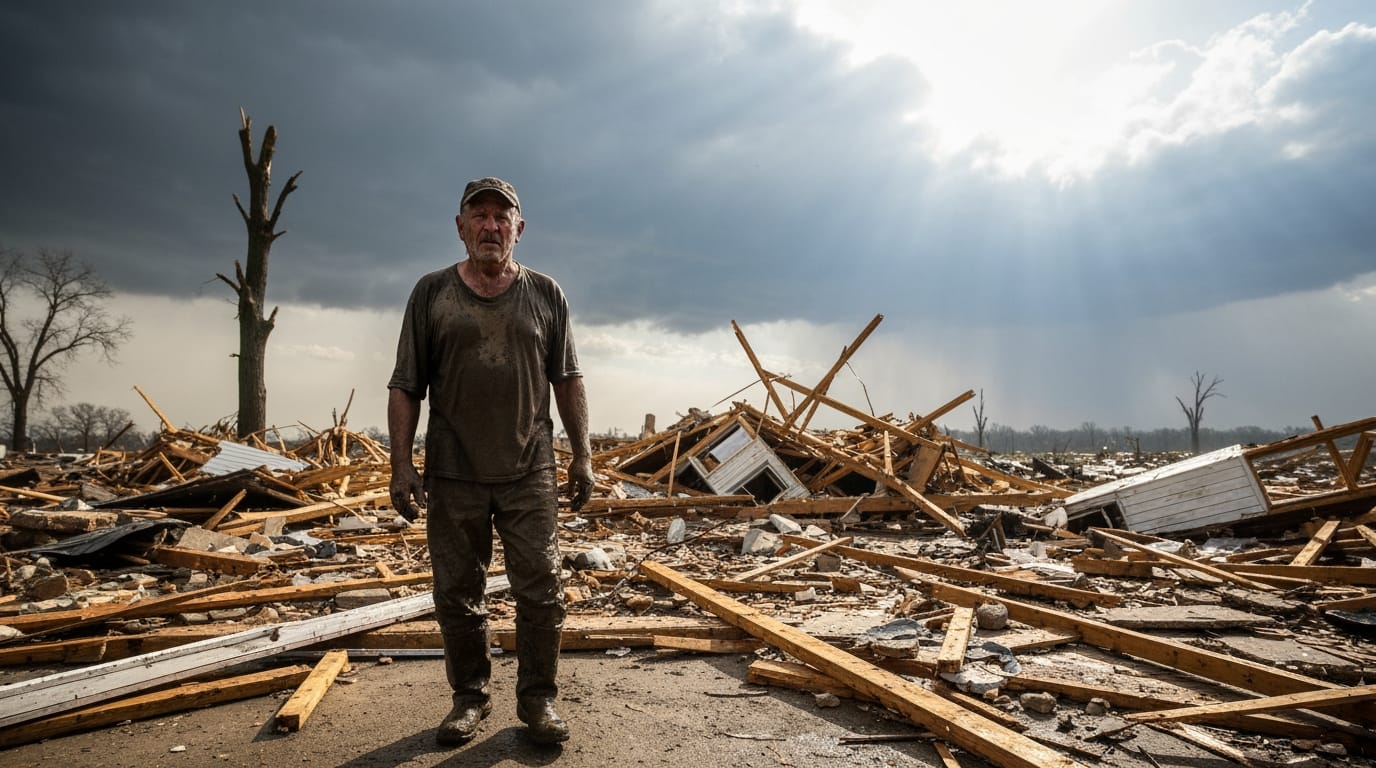
A powerful and expansive storm system has unleashed a barrage of tornadoes across the central United States, leaving a trail of devastation and claiming at least eight lives in Michigan and Oklahoma. The destructive weather, which began its deadly sweep on Thursday, March 5, and continued into Friday, March 6, has flattened homes, toppled trees, and caused widespread power outages, marking a tragic and early start to the 2026 tornado season. Emergency crews are relentlessly working through rubble and debris, with authorities warning that severe weather threats persist across a vast stretch of the nation's midsection, from the Great Lakes down to Texas.
Midwestern Fury: Michigan's Devastation
Southern Michigan bore the brunt of intense tornadic activity on Friday, March 6, where at least four individuals perished and dozens more sustained injuries across multiple counties. The Branch County Sheriff's Office reported three fatalities and twelve injuries in the Union Lake area near Union City, a community situated approximately 125 miles west of Detroit. Another life was lost in Cass County, near Edwardsburg, following a separate tornado touchdown, with several additional injuries reported in that area.
The force of the storm in Michigan was particularly striking. An intense tornado tore through south-central Michigan, laying siege to neighborhoods in Union City and causing additional damage in Three Rivers. Reports detailed homes reduced to rubble, roofs torn from structures, including a Menards home improvement store in Three Rivers, and vehicles tossed by the sheer power of the winds. The impact observed suggests winds may have reached between 145 mph to 170 mph, potentially placing this tornado in the high-end EF3 to EF4 range on the Enhanced Fujita Scale, which rates tornado intensity. This event represents one of the strongest tornadoes on record so early in the season for Michigan. Governor Gretchen Whitmer has declared a state of emergency for Branch, Cass, and St. Joseph counties in response to the extensive damage and ongoing recovery efforts, activating the State Emergency Operations Center.
Oklahoma's Tragic Toll
The severe weather system initiated its deadly impact in Oklahoma, where four people lost their lives between Thursday and Friday. In Major County, a mother and her 13-year-old daughter were found dead in their vehicle near Fairview on Thursday evening, their deaths appearing to be tornado-related. This heartbreaking incident ended the nation's second-longest streak of 256 days without reported tornado fatalities in the United States.
The destruction continued into Friday when a tornado struck a home north-northeast of Beggs in Okmulgee County, tragically killing two more individuals and sending two others to the hospital. Emergency manager Jeff Moore indicated that the tornado carved approximately a four-mile path of damage through Okmulgee County, toppling large trees and causing significant power outages near Beggs, which is located about 30 miles south of Tulsa. Suspected tornadoes were also reported in northern parts of Tulsa, where a building at the Tulsa Tech Peoria campus sustained damage. Oklahoma Governor Kevin Stitt has declared a state of emergency in several affected counties to facilitate support and resources for the devastated areas.
A Sprawling and Relentless Weather System
The deadly outbreaks in Michigan and Oklahoma are part of a larger, dynamic storm system that has generated severe weather across the central United States. Meteorologists pinpoint a combination of factors, including a warm front lurking nearby in Michigan and warm, moist air surging ahead of a strong cold front in the Plains, as ideal conditions for the development of these powerful tornadoes. The Storm Prediction Center had highlighted a significant risk for severe weather across central Oklahoma, eastern Kansas, and western Missouri on Friday, warning of numerous severe storms capable of producing damaging winds, large hail, and strong tornadoes.
The National Weather Service has issued warnings indicating that thunderstorms and flash flooding are expected to continue from the Great Lakes down to Texas, with a smaller, but present, chance of additional tornadoes in the hours ahead. The extensive reach of this weather system put nearly 25 million people at some level of risk from severe weather. Weather forecasts for the 2026 tornado season have predicted an active period, particularly for March and April, with expectations of anywhere between 1,050 and 1,250 storms for the year. Early indications suggested that new tornado hotspots could emerge, challenging traditional expectations of storm patterns.
The Immediate Aftermath and Long Road to Recovery
In the wake of the storms, emergency response teams, including first responders from multiple agencies, have been engaged in search and rescue operations, clearing roads, and assessing the full extent of the damage. In Michigan, aerial views and ground reports depicted flattened homes, vehicles mangled by debris, and trees ripped from their roots, painting a grim picture of destruction. Similarly, in Oklahoma, vast debris fields and destroyed structures underscored the tornadoes' raw power.
The immediate focus remains on ensuring the safety of residents, providing medical attention to the injured, and restoring essential services like power. Thousands have been left without electricity, and many more are grappling with the sudden loss of their homes and livelihoods. Damage assessment teams from the National Weather Service have been dispatched to investigate storm paths and confirm tornado intensities, a process that can often take several days due to the widespread nature of the destruction. The long-term recovery will involve significant community effort and external aid as residents begin the arduous process of rebuilding.
The recent tornado outbreak serves as a stark reminder of the unpredictable and devastating power of nature. With an active tornado season projected for 2026, the events in Michigan and Oklahoma underscore the critical importance of continuous vigilance, robust warning systems, and community preparedness in mitigating the human and structural costs of severe weather. As communities mourn their losses and begin to rebuild, the resilience of those affected will be tested in the challenging months ahead.


